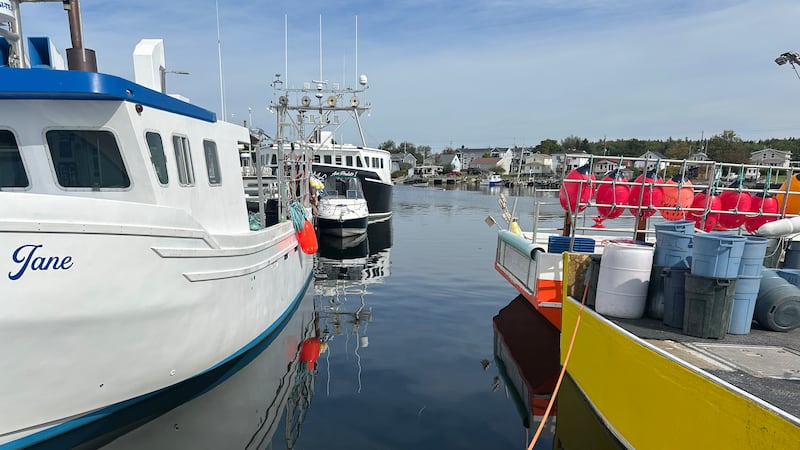
Saint John was recently named one of Canada’s most affordable city’s, only behind Lethbridge, AB. Other maritime cities like Fredericton, Moncton, and Charlottetown also cracked the top 15. But even with Saint John being near the top of the list, many people are still struggling to find a home. That includes Allison Goss. “I think it’s despicable,” she says when asked her thoughts on the housing prices around the port city. “My mother and I were [looking], but we can’t know because of the prices.” A recent poll conducted by the Angus Reid Institute found many Canadians are feeling the same way when it comes to housing prices. Nearly 71 per cent of respondents said local home prices were too high, with 43 per cent calling the prices “unreasonably high”. When Angus Reid conducted a similar poll in 2016, 26 per cent of New Brunswickers and 36 per cent of Nova Scotians said prices for a home were too high. Those numbers have skyrocketed over the decade to nearly 80 per cent. “The increase of housing prices really touched every corner of the country,” says Jon Roe, a research associate with the institution. “In places like New Brunswick, Nova Scotia, Newfoundland and Labrador, places where it was a bit more affordable ten years ago, now we’re seeing significant home prices increases there as well. You are seeing that reflected among the people that live there.” Roe says housing affordability has become a persistent top issue post-pandemic for Canadians. In Saint John alone, the average home prices are 125 per cent higher than it was in 2016 according to realtor Bob McVicar. He also says houses in the greater community are selling for an average of $380,000 and are selling for around five per cent above the listed price. He says in Saint John specifically it remains a sellers’ market, while adding markets in nearby cities like Fredericton and Moncton have begun to balance out. “I’ve been calling out developers in Saint John for a long time, as often as I can, as publicly as I can to build more houses,” McVicar says. “We’ve seen developments in Saint John to a degree that we haven’t seen in many, many decades, but it’s still not enough.” He notes that the city is only continuing to grow with big investments around the port, as well as at JDI’s pulp and paper mill along the reversing falls. McVicar says unless more housing units are built, the prices won’t be coming down anytime soon. Royal LePage Atlantic President Matt Honsberger says the buying market has also changed during the pandemic but is staring to return to normal. He recalls the years before Covid where buyers wouldn’t have any issues putting in some work into their newly bough home in order to start building equity. “Then we went through a period there for about three years where it was, I’ll take whatever I get,” he says in the pandemic’s early years, noting some houses were going for hundreds of thousands of dollars over the listed price. “Now we’ve gotten into a period where buyers are taking way more time, trying to be a little bit more picky.” “We don’t hear a lot of ‘this is way too high, this is ridiculous,’ that sort of thing.” Canadian Centre for Policy Alternatives Senior Economist David Macdonald notes renters are also feeling the pressures of high prices in the housing market. He says many renters od have interest in buying a home, but it is difficult to save while renting. “Rent has been consistently well above the general increase in prices since the pandemic,” Macdonald says. “Mortgage interest costs have become a little bit less than general average, but rent has remained well above that.” Macdonald also notes that higher interest rates are meaning less homes are being built, thus in turn leading to more supply than demand in some markets. For more New Brunswick news, visit our dedicated provincial page.