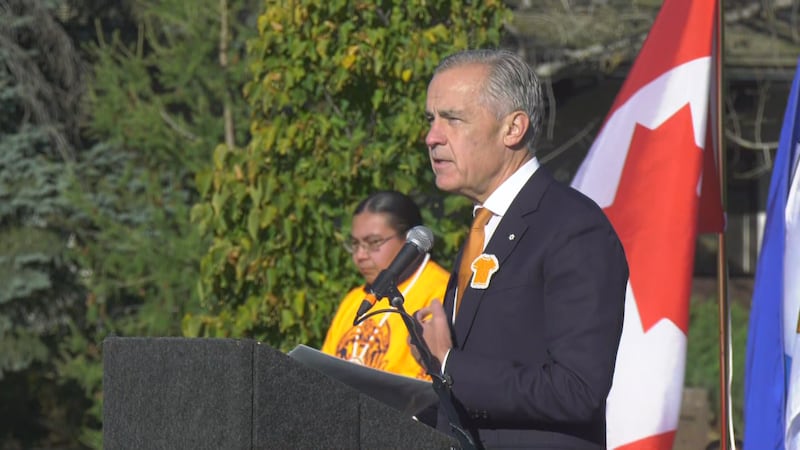
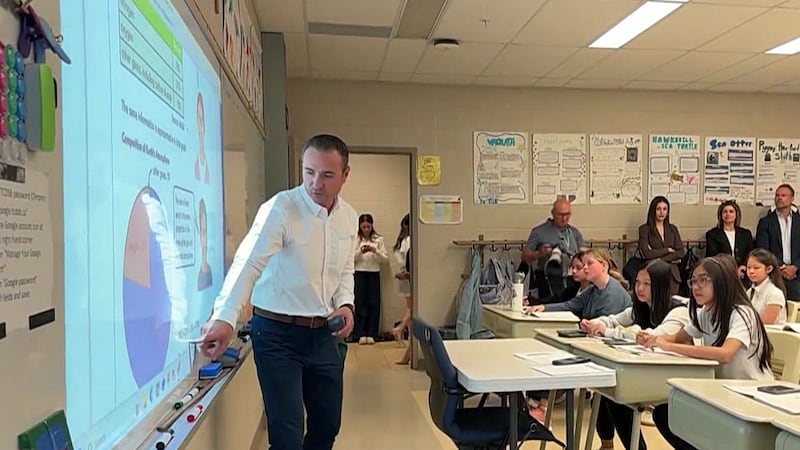
With Thanksgiving around the corner, Prime Minister Mark Carney is hoping new affordability measures announced Friday will have Canadians feeling a little extra thankful heading into the holiday weekend. During a press conference in his Ottawa riding the Prime Minister made a trio of cost saving announcements, headlined by a campaign promise to make tax filing easier for some Canadians. That will include automatic tax filing for eligible people. Beginning in the 2026 tax year up to 5.5 million low-income Canadians will see the Canada Revenue Agency automatically file their taxes. The measure will ensure people are receiving government benefit they are eligible for, including the GST/HST credit, Canada Disability Benefit, Canada Child Benefit and more Canadians may not be aware of. “This program will pay out hundreds of millions of dollars in benefits in the next few years that would otherwise be left unclaimed,” says Prime Minister Carney. “Helping our most vulnerable get the supports that they need.” While the government touts the move as a win for Canadians, the Canadian Taxpayers Federation has some criticism of the change. CTF Federal Director Franco Terrazzano says the announcement comes less then a day after the federal government concluded a public online consultation on automatic tax filing. “There’s no way that government bureaucrats pulled an all-nighter going through thousands of submissions and survey responses from Canadians before sending Carney out this morning to make this automatic tax filing announcement,” says Terrazzano. “Asking Canadians for their opinion and then ignoring what Canadians said is a bad look for Carney. It makes it look like the government is holding sham consultations.” Terrazzano also questions why the government is giving the Canada Revenue Agency (CRA) more power over taxpayers when it comes to filing. “The CRA acting as both the tax filer and the tax collector is a serious conflict of interest,” Terrazzano says. “Trusting the tax man to do your tax return is like trusting your dog to protect your burger.” Chair of New Brunswick Acorn Nichola Taylor has a different take on the tax change. She says many low-income New Brunswickers don’t often file their taxes for a variety of reasons, but the automatic process ensuring they are vetted for any possible benefits may change that. “Any help that they can get in their paycheck every month will help them enormously,” says Taylor. “People may think it might only be a few dollars, but this actually does make a big difference in people who have to make tough choices. Whether it’s paying rent, utilities, groceries and so on, wow it’s giving them [benefits] they’re entitled to.” Taylor is also happy to see Ottawa pledge to make the National School Food Program permanent. The program provides meals to an estimated 400,000, with Carney promising to look at expanding the program with provinces, territories, and Indigenous partners. She says no child should be going to school on an empty stomach, and data has proven that children learn better with a full stomach. “We shouldn’t really be talking about child poverty at all in 2025, but we are,” Taylor points out. “This will help many families out there who are struggling which is great news, but obviously more has to be done.” The final of the three measures announced Friday is the renewal of the Canada Strong Pass for the holidays and next summer. The pass allows Canadians to explore Canadian museums, parks, and other sites at a lower cost. The commitments announced Friday will be included in the federal budget that is set to be released by Finance Minister François-Philippe Champagne on November 4. For more New Brunswick news, visit our dedicated provincial page.