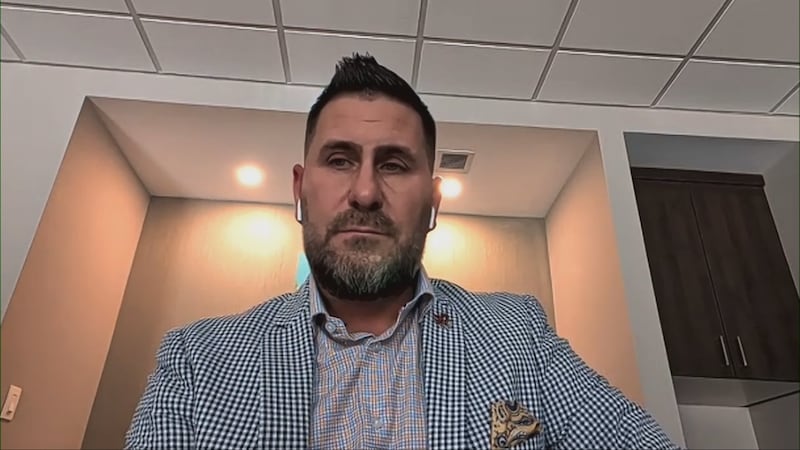
As the federal government prepares to reveal a bill with an expected social media ban for children under the age of 16, a Dalhousie University professor says such legislation will come with trade-offs. “It’s virtually impossible to implement anything like this without impacting privacy and freedom of expression,” Michael Karanicolas, associate professor of law at Dalhousie, told CTV News Atlantic’s Todd Battis. “It’s certainly possible to have an impact on the availability of these tools to young people. “The question is what kind of trade-offs you’re willing to countenance.” On Tuesday, New Brunswick Premier Susan Holt called on the federal government to prevent social media companies from advertising to minors. According to The Canadian Press, the Mark Carney government is expected to unveil social media restrictions on Wednesday. Australia recently implemented a ban on social media for kids under the age of 16, but Karanicolas said it’s not airtight. “Early figures suggest 70 per cent of Australian kids have found ways around these restrictions,” he said. “That should not be surprising.” Karanicolas said a social media ban could prompt a constitutional challenge on the grounds of freedom of expression. “Once you try to bring in age-specific mandates, you’re asking these companies to collect additional information on Canadians,” he said. “Effective regulation is certainly important. “Young people are using TikTok and Instagram and the different platforms to engage with one another, to comment on emerging political issues. It’s going to be interesting to see where the rubber meets the road because this is going to have an impact on their Charter rights and freedoms.”