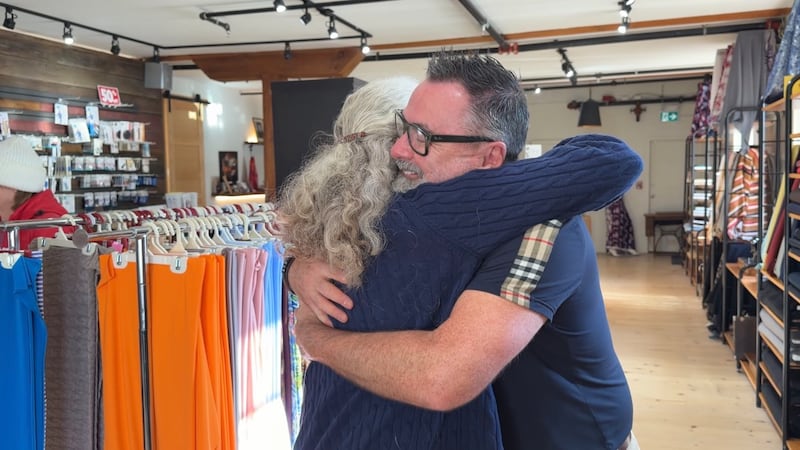
A Halifax man is speaking out after being targeted by two computer-related scams in the past month. Joseph Nyemah says he wants others to know what happened to him so that they may avoid falling victim to the hoax. Nyemah says it started when about 1,000 of his friends, family and co-workers received a desperate email this week. “On Wednesday morning I came to work and I noticed people were calling me a lot,” he says. The email indicated Nyemah was in need of money after being robbed at gunpoint in the Philippines. However, Nyemah says he didn’t send the email and has never been to the Philippines. “At work I opened my computer and I saw this email that had been sent out to all of the people in my contact list,” he says. He says he recognized it as a scam right away but others did not. “My aunt in Atlanta, Georgia had transferred $1,400 to these guys.” Thankfully, she was able to reverse the transaction before the money went through, but not everyone is so lucky. “Most of these scammers are overseas based, so it becomes almost impossible for the money to be retrieved,” says Const. Pierre Bourdages of the Halifax Regional Police. Nyemah says it wasn’t the first time he had been targeted by a scam artist. Earlier this month, he says he received a call from someone claiming to be from Microsoft. They told him they needed to gain remote access to his computer to repair it. When he obliged, they locked his computer and wouldn’t let him back in unless he paid close to $200. “I was forced to pay the money and I called the RCMP,” he says. He is still waiting to hear back from the police. Bourdages says, if you think your computer has been hacked, bring it to a computer shop immediately. He also says to be cautious when dealing with suspicious phone calls. “Don’t initiate the conversation. Don’t entertain these scammers, on the phone, on your email or on your computer,” says Bourdages. Nyemah says he never thought he would fall victim to such a scam and warns they can sneak up on you when you least expect it. “I think there are ordinary people who could fall victim to this sort of prank.” With files from CTV Atlantic's Alyse Hand