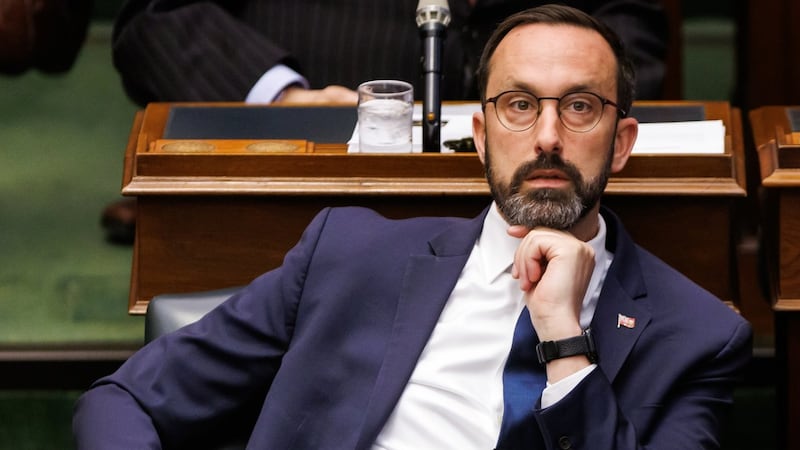
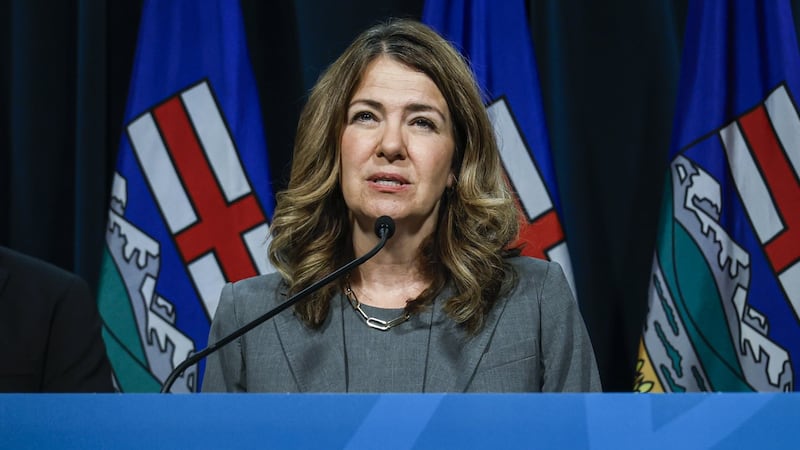
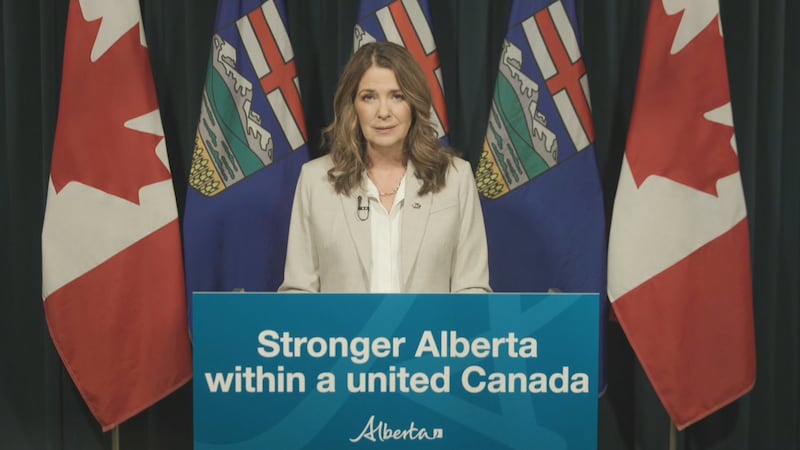
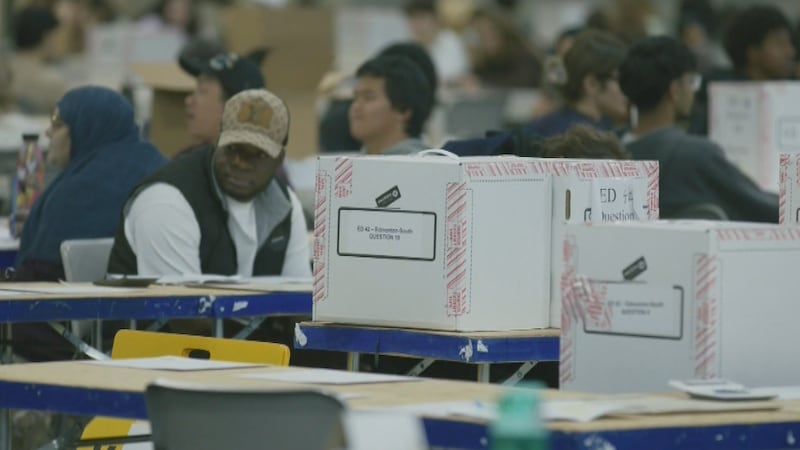
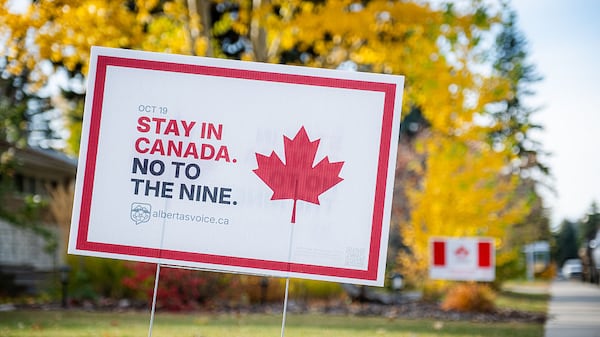
Damien C. Kurek is the former Conservative member of Parliament for Battle River—Crowfoot. He is currently a principal at Upstream Strategy Group and continues to farm in Alberta’s Special Areas. Waking up this morning, or for those who held out for the late-night results, the verdict out of Alberta is clear: Albertans have not given up on Canada. There are many of us who have spent our lives fighting for this province that lies in the shadow of the Rocky Mountains while also being loyal to and loving Canada. With the polls closed and most of the ballots counted, there is relief in this result. But it would be a mistake for politicians and pundits to spin this outcome as an endorsement of the status quo. Speaking bluntly about what happened at the ballot box, the narrative that the pro-Canada vote was carried by progressives is not the full story. While left-of-centre voters played a role, the reality is the future of Alberta in Canada was carried across the finish line by conservative Albertans. There were “Option 2” voters in every part of the province, and what became clear is that even in regions where separation and historical populist movements have taken place, large numbers of voters refused to give up on Canada. The frustrated majority There is no question that the debate over recent months was polarized. There is a small group of very vocal separatists, who are endlessly committed to the cause. Then there is a large cohort of deeply frustrated federalists, often termed “soft separatists,” who are frustrated with Alberta’s status in the federation. But this cohort, who felt Alberta was being treated unfairly, remains among the most proud and patriotic Canadians, and polling shows that their numbers rose to over 70 per cent in recent years. While that number did not translate into Option 2 votes, the sentiment remains high. The fact that every major political voice in this campaign spoke of a sovereign Alberta within a united Canada proves just how deep that frustration runs. But Question 10, the one on separation, was only part of the conversation. The fact that it appears in all nine of Premier Danielle Smith’s questions about Alberta’s future approach to the federal government have passed speaks volumes. And that none of the major voices in this vote spoke of contentment with the status quo. That is why so many are asking if this will ever happen again. The answer is actually quite simple: Canada needs to listen. Canada was never meant to be a centralized, top-down state where decisions about local issues would be made from the far reaches of the national capital on the other side of the continent. The very construct of the federation was that regional differences could be honoured, respected, and accordingly governed. The federal government was expected to manage its responsibilities and collaborate with the provinces, not dictate to them. The British North America Act, now known as the Constitution Act, 1867, and subsequent constitutional enactments reinforcing those principles speak to this need. The path forward Conservative Leader Pierre Poilievre said on voting day in aggrieved Wainwright, Alta., “I hope there’s a strong result for Canada tonight, and then tomorrow we can begin the work of healing the divisions.” Prime Minister Mark Carney struck a conciliatory tone last week when appealing to Albertans, going as far as to recognize the very real frustrations they have faced under federal policies. Premier Danielle Smith, in the aftermath of the vote, urged unity and promised decisive action to move both the province and the country forward. We will see what that action looks like: the repeal of policies that hold back resource development, substantive negotiations on constitutional change, a renewed national consensus on immigration, and greater autonomy for provinces to govern their own regions. Yesterday was a victory for Alberta and a victory for Canada. We chose not to give up on something that so many throughout our history have fought and sacrificed for. The result shows that we are willing to work together and even have patience as we act. But that cannot be mistaken for complacency. The worst outcome would be to suggest the result is an endorsement of the status quo. If Alberta’s loyalty is taken for granted and those who voiced frustrations are marginalized or ignored, the next time this question is asked it will not end the same way. The polls closed yesterday, but today, on Oct. 20, the task of charting the path forward begins, and that requires governments at all levels to get to work.