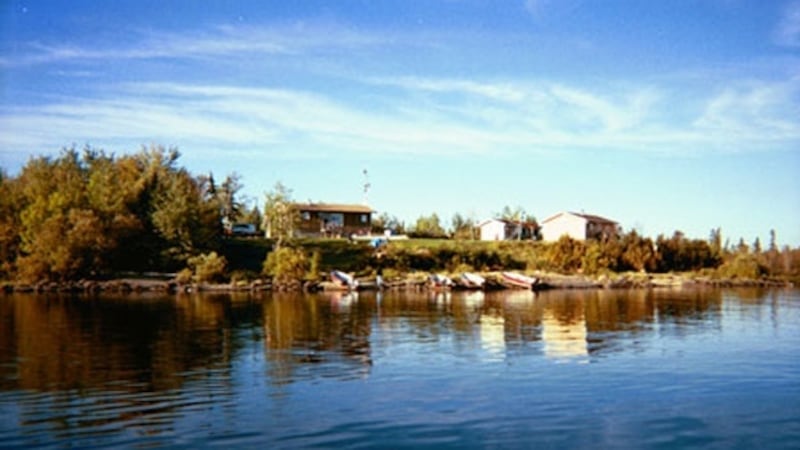
A group of researchers is bringing Indigenous youth closer to their cultural heritage, with part of their project recreating archaeological sites in virtual reality. “The objective and rationale for (Connecting Land, Culture, Heritage and Wellness) is to connect First Nations and Inuit youth with their cultural heritage,” said Linda Larcombe, a research scientist in the Department of Internal Medicine at the University of Manitoba. Started around three years ago, Larcombe said the project aims to reconnect youth with their ancestors and pass on traditional knowledge and experience around health and wellness. Indigenous youth research associates reach archaeological sites on the Churchill West Peninsula by hiking and boating, engage in ceremony with ancestors, and embrace Indigenous knowledge, said Larcombe. The project also uses LIDAR technology to build virtual reality experiences of the archaeological sites, making them accessible to youth. “One of the things that we would like to see with the virtual reality is having the elders talk about their stories from being on the peninsula, or their stories from their ancestors of doing so.” Evan Yassie, former chief of Sayisi Dene First Nation, has been involved in the project since its start and said the community has responded positively. “It’s another avenue that our youth nowadays have become accustomed to,” he said Friday. “We’re continuing that mechanism to stay in touch with them, but also to bring cultural history right into their way of thinking and have them interact with the virtual reality.” Maxwel Burke, 22, one of the Indigenous youth research associates, said the project’s effect is difficult to put into words. “When I was growing up—not everyone, of course, but most of us were very separated from our culture … this project is one of many things that have kind of exploded in the way of us in Churchill rediscovering our cultures and deciding that ‘We are an Indigenous community. This is our culture,’” he told CTV News. “It has managed to successfully connect me to my environment.” Burke said while his end goal is to have people back on the land, he sees virtual reality as a stepping stone. “If this is a stepping stone — if this can drive focus to get people back onto the land, or if that’s how it can be used — then sure, absolutely.”