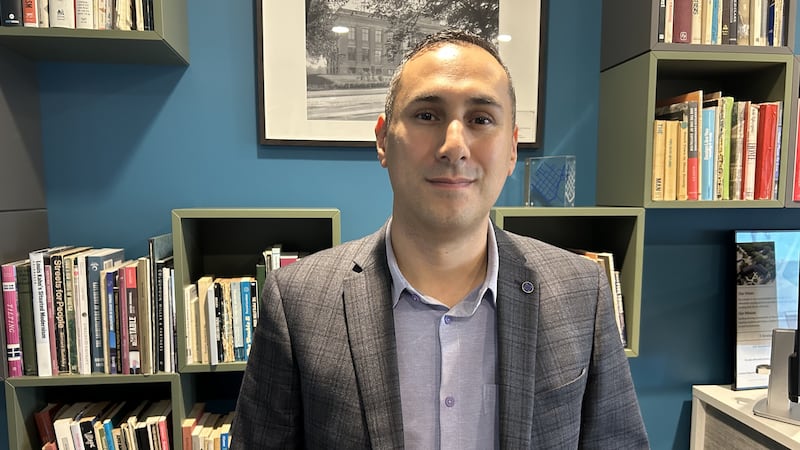
For Dustin Rivard, Para ice hockey didn’t begin with a dream of representing Canada or playing in packed arenas. It started with a neighbour. “It’s my favorite story to tell. I tell it all the time because I love the game,” Rivard said. “I was about five years old, and I had a friend who was disabled. I just came with them one Thursday when practices were and tried it and loved it.” That single visit turned into a lifelong commitment. Rivard played with the team for several years as a kid and never left the sport. Three decades later, he’s still part of the same organization — the Windsor Ice Bullets — now serving as head coach. “I made such good relationships in the game that I never stopped playing,” he said. “So now from 5 to 35, I still play.” A sport more people are discovering When Rivard first started playing in the mid-1990s, Para hockey — sometimes called sled or sledge hockey — was largely unknown outside the disability sports community. “The game was completely different than it is today,” he said. That’s changed in recent years, thanks in part to growing exposure through the Paralympic Games. Still, Rivard says many people have only a vague understanding of the game — and haven’t experienced it in person. “You mention that to somebody and they go, oh yeah, I think I’ve seen it on TV,” he said. “I’m like, have you actually seen it in person? Do you want to?” For those who do watch live, the similarities to traditional hockey are immediately clear. “It’s fast like hockey is, it’s physical like hockey is, and it’s graceful like hockey is,” Rivard said. “So, it’s almost the same game, but with a few differences.” Building a team isn’t easy Despite its growth, recruiting new players remains one of the biggest challenges for teams like the Ice Bullets. The pool of athletes is smaller than traditional hockey, and many people simply don’t know the opportunity exists. “It takes a lot of work to get the people in the disabled community to come out and try it and realize that there is a sport that’s for them,” Rivard said. Sometimes that means approaching potential players directly. “It’s tough,” he said. “Sometimes me or some of my other teammates will approach disabled people in public and just say, hey, do you like hockey? Do you want to try?” Even when interest is there, the cost of the sport can be another hurdle. “As if hockey wasn’t expensive enough already with registration fees,” Rivard said. “The equipment is not cheap and then the travel on top.” A sled alone can cost hundreds — sometimes more than $1,000 — while specialized sticks and protective gear add to the price. Removing barriers to try the sport To help remove those barriers, the Ice Bullets offer newcomers a chance to try Para hockey before committing financially. “We’ll give you a sled. We’ll give you equipment,” Rivard said. “And then after three practices we’ll talk about, okay, do you want to stick with it?” The organization also works to keep registration fees manageable through fundraising and donations. “Our registration fee is $350 for the season,” Rivard said. “Which is quite low compared to some stand up hockey organizations.” Open to everyone Another thing many people don’t realize: You don’t need to have a disability to play. Rivard himself is able-bodied. “A lot of our members start because a disabled brother or sister is playing and they want to play together,” Rivard said. For him, the sport has become much more than just hockey. “It’s hockey, but somehow better,” he said. “Aside from the sport aspect, which I really love… I really love the community aspect. I made some of my best friends in this game.” The Windsor Ice Bullets practice on Wednesdays at 6 p.m. at the Libro Credit Union Centre in Amherstburg. Anyone interested in trying the sport can attend a practice or contact the team through its social media pages. For Rivard, it’s a simple invitation — the same one that changed his life as a child. Come out. Try it. And see why he’s never left the game.