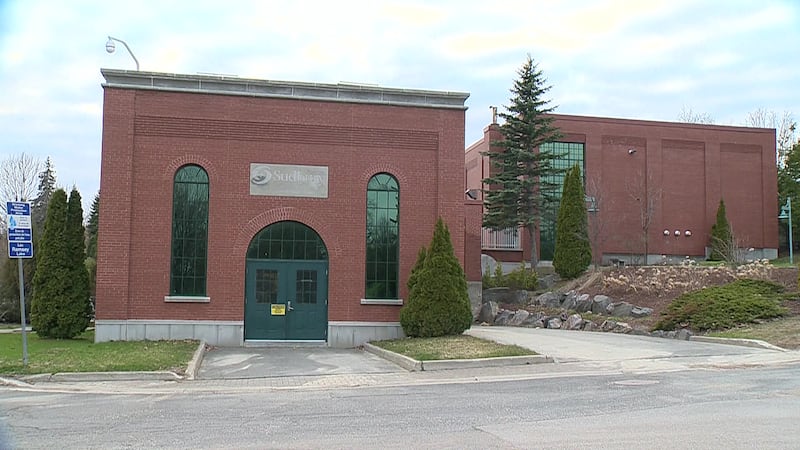
Ontario Premier Doug Ford’s decision to pull Crown Royal whisky from LCBO shelves has sparked a national debate over job protection, government intervention, and interprovincial relations as the closure of a Diageo bottling plant in Amherstburg leaves nearly 200 workers facing job loss. The move comes after Diageo announced plans to shut down the Ontario bottling operation and relocate production to the U.S. In response, Ford has said the province will stop selling Crown Royal — one of Canada’s most popular whiskies. In Amherstburg, where the bottling plant is set to close Feb. 28, Unifor Local 200 President John D’Agnolo said he supports the premier’s approach, calling it a necessary response to corporate decisions that affect Canadian workers. “I understand why Ontario is doing what they’re doing. They have supported this company throughout the 100 years, almost and to see this happen, it’s ridiculous. It’s absurd,” D’Agnolo explained. “I’m so frustrated with a company like this where we support, Canadians support this whisky, and they continue and then they move it to the States. So, yeah, it’s frustrating.” D’Agnolo said the issue goes beyond Crown Royal and Diageo, arguing the province must send a broader message to multinational companies. “I think the premier is right in what he’s doing because it the big picture is not just talking about Diageo here. We’re talking about all kinds of industries,” he said. “So, you have to send a message to these companies that think it’s okay, your number one supplier in North America, of your alcohol, you’re going to move? That’s not happening without pain.” He added that stronger action should have come sooner. “I’ll continue asking the premier, not just to look at Crown Royal, but to look at all of Diageo’s products, because that’s the only way you’re going to be successful. I said it many times, we should have taken it off the shelf immediately,” D’Agnolo said. “We can’t have Canadians get kicked in the head time and time again and just sit on our hands. So, we have to get out there and show people in our country and in our provinces that we won’t tolerate it. And I think this is the right thing to do.” Amherstburg Deputy Mayor Chris Gibb stated the closure will have a significant impact on the community, which has relied on the plant for decades. “I guess I could use the word devastated that we’re losing almost 200 very well-paying jobs. That’s been a big blow to the community. And we’re hoping that something good can come out of this situation,” Gibb told CTV News. He said municipal leaders are now focused on attracting new investment to the site, which has been listed for sale. “I think our provincial leaders are very well aware of the impact this has. 200 jobs to a small town, it has a huge impact. These are people’s lives that have been disrupted because of the decisions of a global company,” Gibb said. He pointed to the size and infrastructure of the property as an opportunity for future redevelopment. “I believe it’s over 70 acres. There’s eight buildings, there’s rail access, there’s highway access, there’s plenty of room for parking of trailers and bringing in new equipment,” he said. “I think the residents of Amherstburg are very happy to see that it’s been listed for sale and that there’s an opportunity for a new investor to come in and bring this plant back to life. It’s almost been there almost 100 years, and we want to see another hundred years.” While local officials focus on economic recovery, critics warn the province’s decision could have unintended consequences. Sylvain Charlebois, director of the Dalhousie University Agri-Food Analytics Lab said pulling products from store shelves sets a troubling precedent. “Ford’s intentions are not only dangerous for the province, but it’s also quite dangerous for the rest of Canada as well,” Charlebois said. He added retaliatory measures risk undermining interprovincial cooperation. “If we’re seeing some provinces not agreeing or not being seen as collectively working together, that’s certainly not a good sign to eliminate interprovincial trade barriers,” he said. “When you have a leading politician using political retaliation against any company that makes a decision that actually is irritating the political class and not to be considered a fair game in this country is a dangerous signal to send to the world.” Charlebois said consumer choice, not government action, should determine whether products are boycotted. “I honestly, I think it’s up to the Ontarians to decide whether or not they want to boycott Crown Royal or products coming from the company at Diageo instead of just banning the product because we’re talking about a government sanctioned ban here, it’s not a boycott,” he said. He warned the situation could discourage future investment. “What is unfolding right now is a path towards more closures from other companies eventually. Or you’re basically reducing any chances of seeing Diageo or the companies investing in Ontario and the rest of Canada,” Charlebois said. Ford has said he has spoken with Manitoba Premier Wab Kinew as the situation evolves. “I talked to Wab frequently. I talked to him the other day, actually yesterday,” Ford said on Thursday. “Either way, I think the world of the guy, he’s an absolute champion. He understands I got to protect jobs here. But I also informed him, this is all going down to Alabama… So, I got to protect Ontario as he wants to protect Manitoba.” Meanwhile, UFCW (United Food and Commercial Workers) Canada, which represents workers at Crown Royal distilleries in Manitoba and Quebec, opposes the province’s decision, saying it risks harming Canadian workers. “The Crown Royal whisky on LCBO shelves is a product made by the hard work of hundreds of Canadians,” said UFCW Canada National President Barry Sawyer in a statement. “We stand in solidarity with the workers who are losing their livelihoods in Amherstburg, and they should be provided with all of their rights and consideration for their long years of service. However, Doug Ford’s plan to pull Crown Royal from the shelves only attacks more Canadian workers during a time when we need to stand together as a country.” UFCW said Diageo has not informed the union of any potential job losses at the Manitoba or Quebec distilleries, adding it would fight any proposed cutbacks. The Valleyfield, Que., distillery employs 288 workers represented by UFCW Local 501, while 76 workers at the Gimli, Man., facility are members of UFCW Local 832. CTV News reached out to Diageo and Manitoba Premier Wab Kinew’s office for comment and did not hear back as of news time.