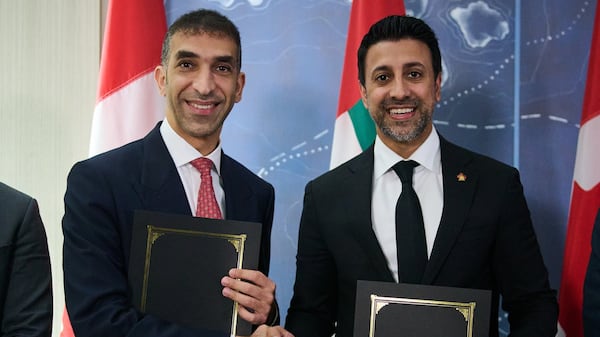
A new federal-provincial prosperity agreement is placing Vancouver Island’s shipyards, forestry sector and coastal waters within a broader economic strategy, but most of the commitments outlined remain at the framework stage, with limited detail on timing, funding or specific projects. The Canada–British Columbia Cooperative Prosperity Agreement, announced Thursday in Vancouver by Prime Minister Mark Carney and B.C. Premier David Eby, focuses on expanding marine industries, modernizing natural resource development, accelerating infrastructure and strengthening coastal environmental protection. For Vancouver Island, those priorities intersect directly with three of its most established economic pillars, but the agreement largely outlines direction rather than implementation. The agreement includes a federal commitment to engage B.C. on future vessel procurement, including potential opportunities for shipbuilding, servicing and ship recycling. Vancouver Island, home to established marine infrastructure in Esquimalt, Victoria and Nanaimo, is among the regions where such activity could be located. However, no specific shipyards or facilities are identified, and no contracts or timelines are attached to the commitment. Future decisions would remain subject to federal procurement requirements and operational considerations. The result is a broad opening for potential marine industry expansion, without clarity on where or when work could materialize. Forestry is also central to the agreement, with both governments committing to measures aimed at stabilizing and modernizing British Columbia’s softwood lumber sector. The plan references expanded value-added production, increased investment and diversification of export markets, alongside environmental sustainability goals. Vancouver Island communities including Campbell River, Port Alberni and the Cowichan Valley remain closely tied to the sector, which has faced ongoing pressure from trade disputes, rising costs and shifting supply conditions. While the agreement frames forestry as a priority for transformation, it does not allocate specific funding to Island mills or outline targeted operational changes. The agreement also reinforces federal commitments to coastal environmental protection, including continued investment in marine spill response systems and protections for sensitive marine ecosystems. That includes ongoing support for Southern Resident killer whale habitat and the maintenance of the federal North Coast tanker ban. For Vancouver Island, where marine tourism, fisheries and aquaculture depend on coastal conditions, those measures remain central to balancing industrial activity along shipping routes with environmental risk management. Taken together, the agreement connects marine industry development, forestry modernization and coastal protection under a single long-term economic strategy. For Island communities closely tied to these industries, the agreement signals potential future opportunities, but the practical details of how those opportunities will be delivered remain to be determined.