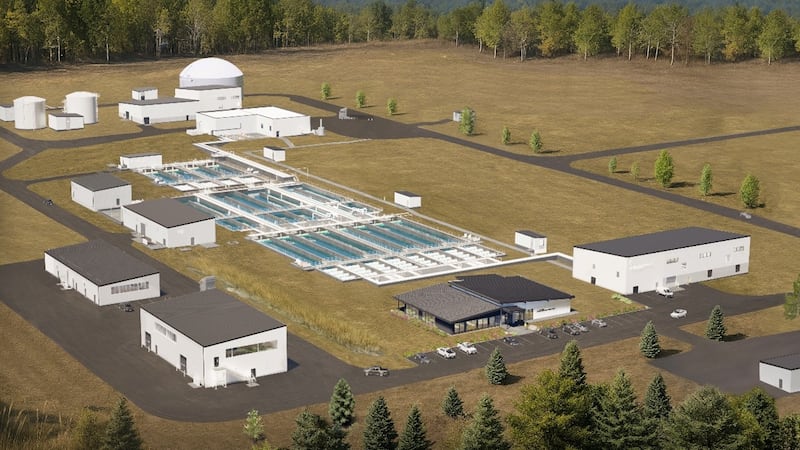
Vancouver Island’s growing demand for electricity is driving a major new investment, with BC Hydro moving ahead with the province’s first large-scale battery storage project near Duncan. The utility says the new facility will provide at least 100 megawatts of battery storage capacity, allowing electricity to be stored when demand is lower and discharged back into the grid when customers need it most. The project is expected to help support a more reliable and flexible electricity system as Vancouver Island communities continue to grow. The planned facility will be located adjacent to BC Hydro’s Vancouver Island Terminal Substation near Duncan, a site selected after the utility assessed reliability needs, costs, environmental considerations and potential impacts on surrounding communities. BC Hydro says using existing utility-owned land will allow the project to connect efficiently to the current electricity system while reducing the need for additional development. The battery facility is targeted to be operating by 2030. Why battery storage matters Vancouver Island continues to experience population growth, new housing development, economic investment and increasing electrification, all of which are driving higher demand for electricity. Battery storage gives BC Hydro another way to manage that demand. Unlike a traditional generating station, a battery storage facility does not create new electricity. Instead, it stores power when it is available and releases it when the grid is under the most pressure. The technology can respond within seconds, helping support reliability during peak demand periods and allowing BC Hydro to better balance the system. The project is not intended to replace traditional electricity generation, but rather to provide another tool to help maintain a dependable supply of power as the province’s energy needs change. Energy and Climate Solutions Minister Adrian Dix said the project is an important step in preparing B.C.’s electricity system for future development. “As demand for electricity continues to grow throughout British Columbia, we are making strategic investments to continue to deliver reliable, affordable and clean power to homes and businesses,” Dix said in a statement. “B.C.’s first utility-scale battery storage facility will help power the Island and is a key part of BC Hydro’s Powering Growth plan to strengthen our electricity system and support the province’s future growth.” The Vancouver Island project is the first battery storage investment to move forward under BC Hydro’s Powering Growth plan, a strategy focused on meeting rising electricity demand through conservation, improving existing infrastructure and investing in new clean energy resources. As part of that plan, BC Hydro has identified the potential for up to 500 megawatts of battery storage capacity across British Columbia to improve reliability and provide greater flexibility during times of peak demand. BC Hydro begins search for project partners BC Hydro will launch a competitive procurement process to find companies with experience designing and delivering large-scale battery storage projects. The utility will issue a request for supplier qualifications, with successful applicants expected to move forward to a formal request for proposals later this year. BC Hydro says it plans to own and operate the battery system while using private-sector expertise for design, construction and potentially long-term maintenance services. BC Hydro president and CEO Charlotte Mitha said the project will introduce a new tool that can help the province respond to changing electricity needs. “This first project will help ensure we continue delivering reliable electricity to our customers as demand grows across Vancouver Island and throughout British Columbia,” Mitha said. “As the first utility-scale battery storage project in B.C., it will allow us to use a new technology that can store electricity when it is available and deliver it back to the grid when customers need it most. It is an important step in preparing our system for the future, while making the most of the infrastructure we already have.” Local leaders welcome Duncan-area project Local officials say the project will help position Vancouver Island for continued growth. Nanaimo-Lantzville MLA and parliamentary secretary for energy and climate solutions George Anderson said dependable electricity will be essential as communities expand and more people transition to electric vehicles. “Reliable electricity is essential to our quality of life and our economic future,” Anderson said in a statement. “This project will help ensure Vancouver Island has the electricity infrastructure needed to support growing communities and meet increasing demand for clean electricity to power more homes, vehicles and businesses, helping build a more sustainable future for the next generation.” Cowichan Valley MLA Debra Toporowski also welcomed the decision to locate the province’s first utility-scale battery storage project in the region. “I’m thrilled that BC Hydro has selected the Cowichan Valley as the site for its very first battery energy storage system,” Toporowski said in a statement. “It recognizes the exciting growth and opportunity that we’re seeing in our region and around Vancouver Island and provides added assurance that our communities and businesses will continue to benefit from a strong, resilient and modern regional electricity grid.” For Vancouver Island residents, the project represents a new approach to managing electricity, one designed to provide more flexibility, strengthen reliability and help prepare the region for a future with growing demand for clean power.