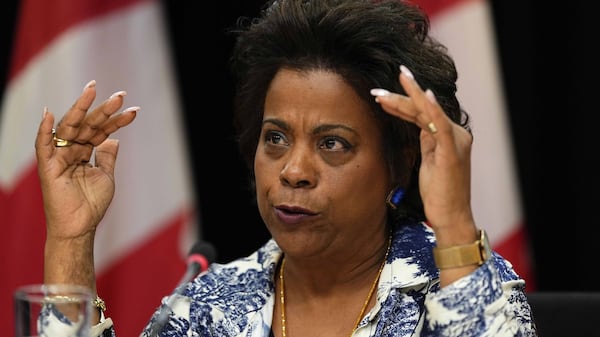
The majority of B.C. residents feel their municipal, provincial and federal governments were successful in dealing with the COVID-19 pandemic—at least “probably.” That’s according to a new Research Co. survey released Monday, some six years after the outset of the global public health crisis. “People are essentially saying ‘it was a tough time, but I think the government managed it well,’” said Research Co. president Mario Canseco. “I think part of what we have is a situation where people believe that (government) should be ready for the next one.” Pollsters found approximately two-thirds of B.C. respondents consider the handling of COVID-19 by their various levels of government to be either “definitely a success” or “probably a success.” That’s compared to approximately one-quarter who said the responses by the municipal, provincial and federal governments were either “definitely” or “probably” a failure. Difficult decision-making Under then-premier John Horgan, the health minister and the province’s top doctor took the reins, giving updates to the public and determining how to handle the kind of public health measures that reduced infections but proved controversial, including limiting social gatherings and public masking. “It was trying to find a balance of the negative effects the virus had on people, that turned out to be mostly older people and people with immune-compromising conditions—and then the measures that we put in place to try and protect people from the virus had differential negative effects on others, particularly young people,” said Dr. Bonnie Henry provincial health officer, in a one-on-one interview with CTV News. B.C. respondents viewed the handling of the pandemic by former primer minister Justin Trudeau’s government more favourably than the average Canadian, according to the poll. Research Co. found 56 per cent of respondents across the country felt the federal government had “probably” or “definitely” succeeded, compared to 67 per cent among those in B.C. Henry says that there is continued analysis by those at the BC Centre for Disease Control and in public health positions to apply the knowledge gained in that time to future public health emergencies, as well as international events like the incoming World Cup. “Having those basics in place, making sure our public health lab has the testing that we need to be able to tell if somebody has something unusual, whether it’s malaria or Lassa fever or something that’s come in to the province, that we need to be able to say, OK, here’s what we need to do about this,’” she said. Generational divides Nationally, there was also a significant gap in perceptions by age group. Satisfaction was “lowest among Canadians aged 35 to 54,” with just 45 per cent of that demographic viewing the federal response as successful, said Canseco. “The proportions are higher among Canadians aged 55 and over,” Canseco added, noting 59 per cent of that demographic expressed satisfaction with the response. Young respondents—those between the ages of 18 and 34—were also more likely to view the federal response favourably. Most B.C. respondents also said officials were right to implement “strict” public health measures to stop the spread of the disease, while fewer than one-third felt the response was too “heavy-handed.” Only six per cent said COVID-19 was an outright “hoax.” Despite the wide support for the B.C. government’s response, 64 per cent of respondents from that province said they would welcome an inquiry into how officials managed the pandemic. The Research Co. survey was conducted online from March 15 to 17 among a representative sample of 1,002 adults in Canada. The margin of error is plus or minus 3.1 percentage points, 19 times out of 20, according to the company.