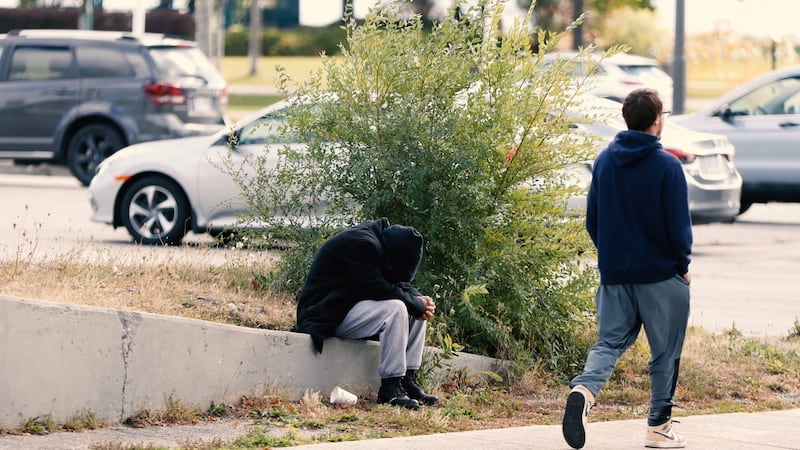
The very phrase “harm reduction” can prompt a fiery debate the moment it’s mentioned, but for the British Columbians who’ve recovered from drug addiction, such policies have been literal lifesavers. The term is short-hand for a variety of strategies, programs, and products approved by government and overseen by provincial health authorities to keep illicit drug users alive as the unpredictable stew of chemicals comprising street drugs continues ravage people of all backgrounds. Rachel Thexton had a successful public relations company when a back injury led to a prescription for an opioid pain killer, which she got hooked on after her medical condition resolved, prompting her to find her own. “I felt like I was kind of living a double life,” she told CTV News. “I’d be in the boardroom one morning, working with a client and media training them or working with them on a strategy, and then on the Downtown Eastside later that day.” She went to a 30-day detox program that didn’t work, and says it wasn’t until she was prescribed the opioid substitute Suboxone, which curbs cravings without the high, that she was able to beat her addiction. “The mixture of that harm reduction and therapy really changed things for me,” Thexton said. “It was a really shameful place to be and a lot of shame and secrecy involved in that lifestyle.” Harm reduction constantly evolving Health officials in British Columbia are the first to acknowledge their harm reduction policies and approach have changed in the two decades they’ve been in place. Sometimes, it’s due to public backlash. Other times, it’s because people found loopholes in the system, as was the case with a recent policy change requiring prescribed safer supply patients to consume their drugs before an authorized witness, typically a pharmacist. Still other times, it’s recognizing a centralized approach isn’t serving all the people needing the service, which is what happened with Insite. Located in Vancouver’s Downtown Eastside, it was the first supervised consumption site in North America when it opened in 2003. Dr. Mark Lysyshyn, deputy chief medical health officer for Vancouver Coastal Health, says Insite remains valuable because there are highly trained medical professionals there with specialized equipment, including drug testing capability that allows them to monitor the drug supply, allowing for a hub-and-spoke model with overdose prevention sites. Those facilities are sometimes outdoors and sheltered by pop-up tents or located in temporary locations, and are typically staffed by peer support workers who provide clean needles for attendees bringing in their own street drugs; they’re equipped with the overdose antidote Naloxone. There’s been pushback against some overdose prevention sites due to street disorder and open drug use outside the facilities, which health authorities across the province struggle to address, but they’re forging ahead since they consider them an overall net benefit. “Any time that we can decrease the likelihood of somebody using a dirty needle, we can decrease the likelihood that they’ll have another overdose, we can decrease the amount of time that they’re left down on the ground not breathing and their blood not getting oxygen,” said Lysyshyn, pointing out that for many people an overdose prevention site may be their only contact point with the medical system during an ongoing health emergency. “We can never know when people are going to be ready for treatment and when treatment is going to work for them,” he said. “But if we don’t provide harm reduction services, then they won’t be alive to find out.” An emotionally charged issue There are conflicting attitudes towards harm reduction policies in the general public, and even among family members who’ve lost loved ones to toxic drugs. A Port Coquitlam father who says his daughter died after she consumed hydromorphone diverted from the safe supply program, questions the idea any drugs can be safe, while the advocates comprising Moms Stop the Harm want an expansion of safe supply and other harm reduction efforts. For Olivia Smith, there’s no doubt in her mind that her struggles with treatment, recovery, and relapse would’ve been fatal if not for harm reduction. The mother of two had overdosed several times before a Suboxone prescription allowed her to get a handle on her addiction. “If Narcan wasn’t available, if Insite, if overdose prevention sites weren’t there and I wasn’t safe when I had relapsed those times, my kids wouldn’t have a mom,” she said. Toxic drug deaths have decreased in British Columbia in the past year, but analysts aren’t ready to credit harm reduction program, since other jurisdictions with different policies have also observed a similar trend. This is the second installment in a five-part series exploring British Columbia’s response to addiction and toxic drugs, as well as factors contributing to the crisis. Read part 1 here: How B.C.’s approach to toxic drugs and addiction is changing Read part 3 here: Deaths of despair: Gabor Maté urges empathy during B.C.’s toxic drug crisis Read part 4 here: Detox wait times plummet after B.C. innovates drug treatment intake Read part 5 here: Normalizing relapse and supportive housing: B.C.’s drug recovery spectrum evolves