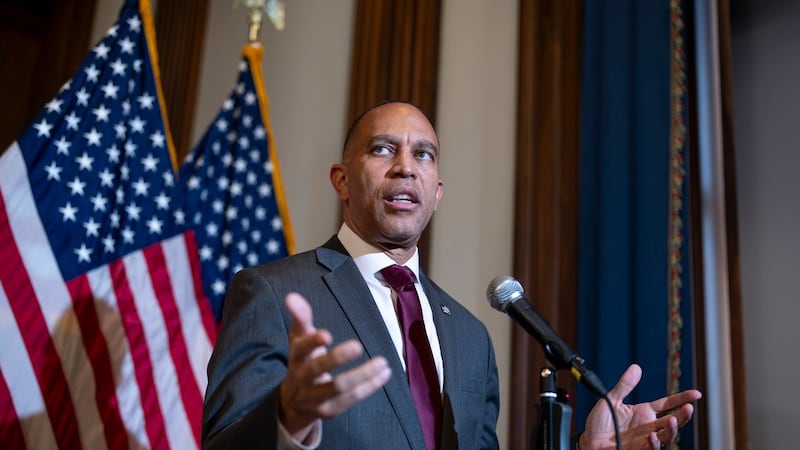
As British Columbia deals with an ongoing extortion crisis concentrated on the Lower Mainland, the premier says he wants Canada to adopt anti-racketeering laws similar to what’s known as RICO in the United States. “I’ll be blunt,” David Eby said during a Friday news conference in Downtown Vancouver. “Currently in Canada, I do not believe we have the full capacities we need to attack organized crime.” The Racketeer Influenced and Corrupt Organizations Act in the U.S. ramps up penalties for those participating in gangs. It has been credited as a major driver in the breakup of New York City’s infamous mafia families, punishing key bosses like The Teflon Don – John Gotti. B.C. lawyer sees more effective solutions elsewhere Others, meanwhile, question the need to make such a change. “We have all the laws that are necessary in the Criminal Code,” insisted longtime Vancouver lawyer Ravi Hira during an interview with CTV News. “For decades, over half a century, 75 years – we have successfully prosecuted mafia figures, organized crime figures in drugs, murder, weapons.” Hira insisted increasing funding for police – particularly for specialized gang units – would be more effective than changing the law. Eby discussed the idea at Friday’s news conference ahead of meetings next week with Prime Minister Mark Carney and his provincial counterparts, where he says he will push this approach. Any new law must be compliant with the charter and have appropriate guardrails in place to prevent abuse, argue some lawyers. “Any time we see laws that expand police or state powers, there are concerns about the implications that could be had with respect to certain individual rights and liberties, so that is something that we have to consider very broadly,” said Vancouver lawyer Sarah Leamon during an interview on Friday. This push comes with the province’s civil forfeiture office going after multiple properties in B.C. linked to men charged in connection with “Operation Hardball” – a U.S. investigation into Indian-based organized crime. “When you talk about people’s rights, you have to talk about the right to live in a community where someone doesn’t send you a text threatening you and your family and then shoots at your house, and police don’t have the full capacity of tools to go after those individuals.” Whether Eby can actually get any traction on this is unclear. This is an idea he’s floated in some form for over half a decade at various points – beginning in 2019 while serving as B.C.’s attorney general – without any movement from the feds.