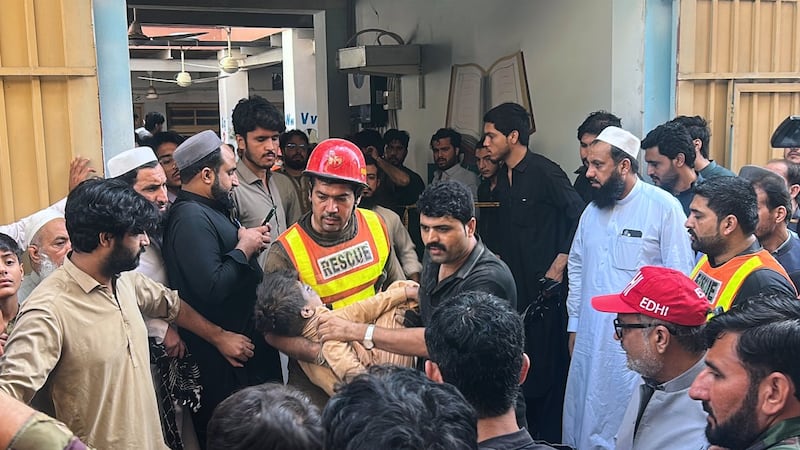
Health authorities across B.C. are warning of an increase in 911 calls related to non-fatal overdoses in recent weeks. The First Nations Health Authority, Fraser Health and Vancouver Coastal Health have reported a higher number of drug poisonings due to a number of factors including the presence of a contaminant called medetomidine. According to Dr. Mark Lysyshyn, VCH deputy chief medical health officer, medetomidine is a veterinary drug, with a version also approved for humans called dexmedetomidine, which can be administered in the intensive care unit. “It’s a very potent medication,” he said. “It’s very toxic, and it’s used basically to sedate people in the emergency department—so you can imagine if somebody takes some of that drug on the street, it’s going to make them very sedated, very sleepy." Despite the increase in calls over the last few weeks, Lysyshyn said fatal overdoses are continuing to trend downward provincially and nationally. “Even in these recent weeks where we’ve seen the ambulance calls twice as high as they might normally be, the deaths are half as high as they were a year ago,” he said. ‘Higher concentrations’ Dr. Rahul Walia, the medical health officer at Fraser Health, said the rise has been fairly sudden, coinciding with that change in the drug supply. “Not only are we seeing the drug medetomidine pop up more often, we’re seeing it pop up at higher concentrations in the unregulated drug supply,” he said. “It’s approximately 200 times more potent than xylazine,” he added, referencing another sedative used by veterinarians. Walia is encouraging people not to use drugs alone, and instead utilize overdose prevention services, as well as drug-checking facilities. ‘Very hectic’ Andrew Giesbrecht, the outreach supervisor at Union Gospel Mission, said the team at UGM is responding to around three overdoses every few days as of late. “It fluctuates, but it’s been very hectic,” he said. Giesbrecht added the presence of medetomidine has made reversing an opioid overdose with Naloxone much more challenging. “With these very confused mixtures, nothing will happen,” he said. “Or, we might have somebody just stay down for a very long time. So it’s very deadly, very dangerous.” Firefighters report OD response record Matthew Trudeau with Vancouver Fire Rescue Services said it’s something firefighters are also dealing with as well. “Where before, historically, people would kind of come up from a overdose in a predictable way, it seems like they’re staying down for longer, kind of needing more resources, more time,” he said. Trudeau said on Nov. 21, firefighters responded to 54 overdoses—the most VFRS has ever seen in a day. “The increase in obviously the total amount is unprecedented,” he said. “We’ve never seen this number of them before.”