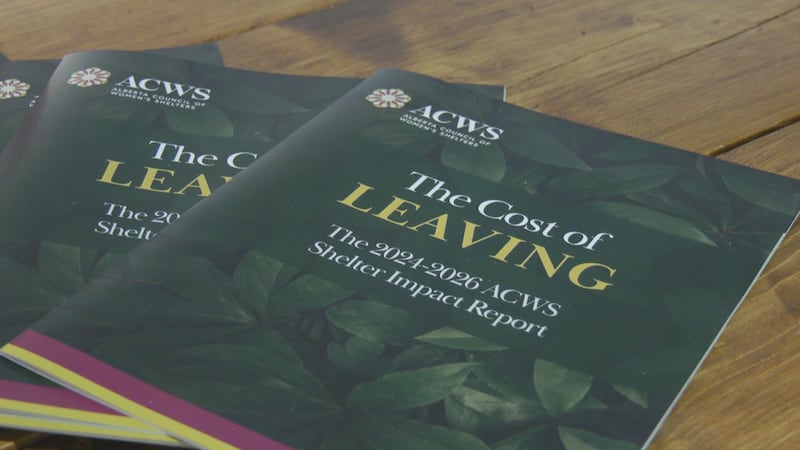
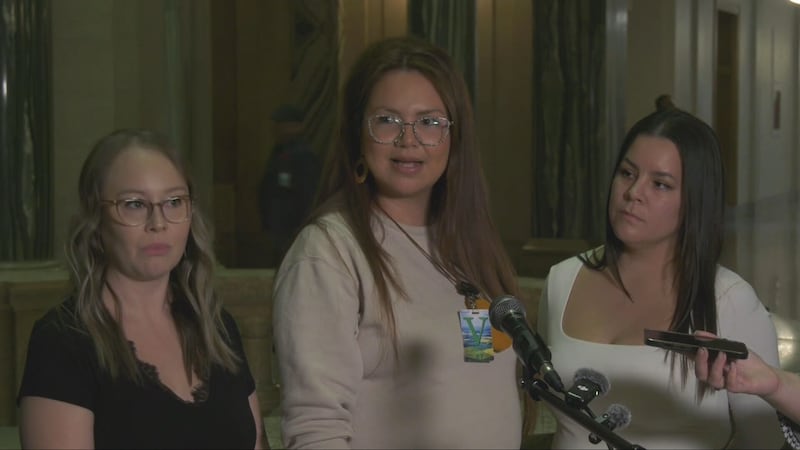
Tia Detta says there’s a financial and physical checklist for escaping domestic abuse situations. She credits her family and friends for supporting her when she first left with her two young children. But the newest report from the Alberta Council of Women’s Shelters (ACWS) suggests the rising cost of living felt across the country is making it harder for women in abusive situations to safely and securely leave. “During domestic violence, survivors are usually isolated on purpose, so there are no options to leave or have the support to make changes in their lives,” Detta told an ACWS conference on Wednesday. “I was one of the lucky ones.” The ACWS Shelter Impact Report used two years of data, from April 2024 to March 2026, to identify trends found in the province’s family violence shelters. The cost of leaving an abusive relationship adds up: Food, safe housing – including rent, a deposit and utilities – transportation, ID, a phone, internet, essential medications and replacement of belongings left behind, for example. “For survivors who have experienced economic abuse and have little access to savings or income as a result, this challenge becomes even more difficult,” Miranda Pilipchuk, lead author of the report, said. Between 2024 and 2025, ACWS workers answered more than 39,000 calls for support. That number was 38,000 the next year. In the last seven years, however, the council says about a quarter of those calls actually result in a woman being admitted to a provincial shelter program. The low rate of admission is in part due to unavailable beds and lack of provincial funding, ACWS executive director Catherine Champagne says. “There’s some red tape we need to get rid of,” she told CTV News Edmonton. “I think the other piece is how long women are staying in shelters. We have a housing crisis. The housing continuum is broken.” Shelters must also weigh the likelihood of domestic homicide – the report says more than 80 per cent of people admitted to Alberta’s emergency domestic violence shelters are at “severe or extreme” risk of being killed. The ACWS report suggests the province implement more engagement with stakeholders, support benefits and dedicated housing pathways for those wanting to leave shelters. “We’re doing a lot of that work already … I think internally, the sector is doing a really good job working with what they have.” Alberta’s Ministry of Children and Family Services says it also provides emergency funding for people escaping family or domestic violence. Anyone needing support leaving domestic abuse can text or call 211 Alberta any time. Some are eligible for help with expenses or other supports to get to safety. “We will continue to work with women’s shelters and their association to strengthen the sector and ensure services are adapted to the needs of the families and communities they service,” a spokesperson said. With files from CTV News Edmonton’s Miriam Valdes-Carletti