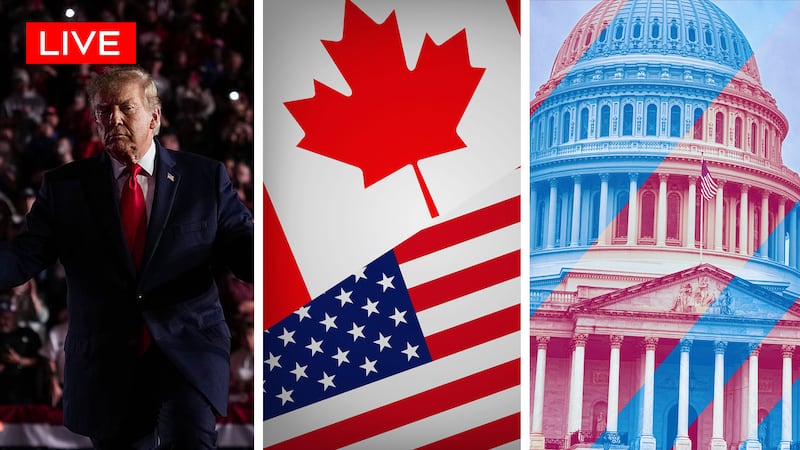
Publicly, Prime Minister Mark Carney’s government is taking a cautious approach to the U.S. midterms election result. But privately, it’s buoyed and relieved. Following a decisive Republican defeat in the House and Senate on Tuesday night, Canada-U.S. Trade Minister Dominic LeBlanc told reporters on Parliament Hill the election results change nothing in Canada’s approach to trade talks with the White House. “The people elected to the United States Congress last evening won’t be seated until January, so the current Congress will remain in place, as will the administration of President Trump, with whom we’re having our trade discussions,” LeBlanc told reporters. However, behind the scenes three senior sources with direct knowledge of the government’s thinking and strategy said the U.S. midterm election results have left Carney’s team hopeful and relieved that they did not strike a trade deal sooner with U.S. President Donald Trump. Two of the sources said they believe the results materially improve Canada’s position in the negotiations to lift punitive tariffs on things like steel, aluminum, autos and lumber. Though they said they are not expecting to get help from the Democrats. CTV News is not identifying the sources who were not authorized to disclose the internal deliberations. Did tariffs affect the result? A separate senior official sought to play down the optimism from the sources who spoke with CTV News and emphasized that the federal government’s plans in the trade talks were never contingent on the U.S. election result. They noted the prime minister’s Tuesday comments, before the election results were out, in which Carney made clear Canada’s intention to intensify trade talks with the U.S. The source said Canada stands ready to work with all legislators, newly or re-elected, with trade discussions led at the executive level. LeBlanc declined to read into the meaning the results and wouldn’t say whether he thought the Republican defeat was a repudiation of tariffs. “What the new Congress might decide to do when they’re seated two months from now is an interesting discussion at a faculty club luncheon at Mount Allison University today,” LeBlanc said. “That’s not going to change the work that we have to do in the next two weeks.” On Tuesday Carney said the U.S. has already shifted some of its red lines and no longer had the same asks on culture, language and a veto on future trade deals. “There are other important issues on which we still need to make progress,” the prime minister said. “They’re asking less and they’re offering more.”