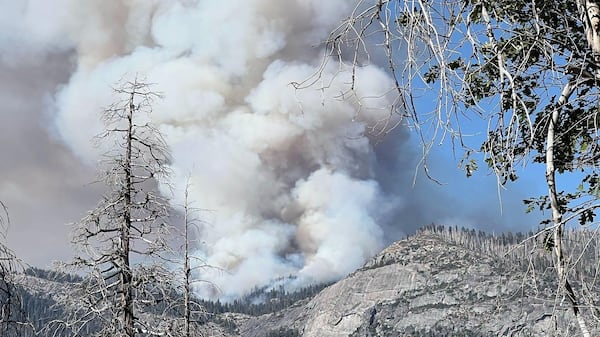
Conservation officers in British Columbia killed 303 black bears in 2024 due to human-wildlife conflict, according to officials. That’s almost half as many bears as the year previous, when an all-time high of 603 were destroyed. 2024 was also the least deadly year for B.C. bears since the province began publishing statistics online in 2011. Calls to the B.C. Conservation Officer Service’s Report All Polluters and Poachers (RAPP) line about bear conflict reached record highs in 2023, but dropped by 10,000 last year to 17,345, according to the agency. “While it is encouraging to see fewer black bear conflicts and black bears dispatched overall, the public continues to have a critical role to play to reduce human-wildlife conflicts. Human-wildlife conflict is complex and cannot be solved by the COS alone,” said Chief Conservation Officer Cam Schley in a media release Monday. BCCOS cited abundant natural food sources for bears, such as berries, in 2024 as one reason why fewer of the animals entered communities and caused problems. In 2024, the highest number of bears were culled in the Okanagan region, 68, followed by Thompson-Cariboo at 60 and Kootenay at 49. The highest death count for a single city was in Williams Lake, at 13, followed by Kamloops at 11. One factor behind the previous year being so lethal for bears was the record-breaking, destructive wildfires that ripped through the province—about 20 bears were euthanized because of severe burns in the Thompson-Shuswap region, and the flames pushed them into populated areas. Read more: Record number of B.C. black bears killed by officers in 2023 – as calls to conservation reached all-time high Just under two per cent of calls resulted in a bear being killed in 2024, conservation officers said. An expert previously told CTV News that the death-to-call ratio has remained fairly consistent over the past decade, between two and three per cent. And a rise in reports over the years correlated with an increase in bear deaths. A key way the public can help reduce human-wildlife conflict and therefore fewer bear deaths is to remove anything that could lure the animals to their properties—garbage being the top offender. “Attractants continue to drive a significant number of bear conflicts across B.C.,” Schley said Monday. “Residents, businesses and communities all need to do their part to secure attractants such as garbage, pet food and birdseed to help keep people safe and wildlife wild.” With files from CTV News Vancouver’s Alyse Kotyk