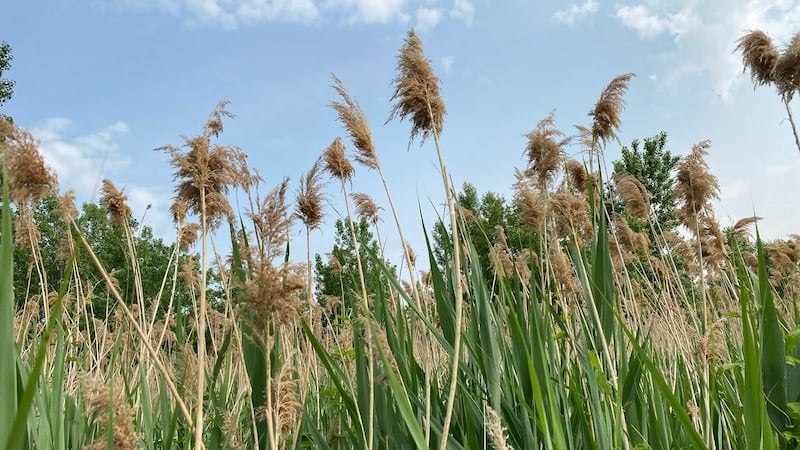
According to local farming experts, growing season is going well across southeast Saskatchewan. Producers are monitoring insects and fungi levels as they await the coming harvest, which is expected to start in mid-August. The rain may have hindered vacations throughout Saskatchewan in the past couple of weeks, but for farmers, it brought the promise of a plentiful harvest – even though many say they’d like to see more. “We certainly haven’t been over inundated by rain,” Bill Prybylski, president of the Agricultural Producers Association of Saskatchewan (APAS), told CTV News. “We’ve had enough rain to keep the crops growing, and they’re filling nicely now. So, [we’re] optimistic that we have a decent crop coming.” Drought still looms in parts of the province, but Yorkton-area crops are developing just fine. Prybylski said the late snowfall carried crops until the rains began. “We had some challenges, but it’s been a pretty good season so far,” he added. “We’re doing what we can to protect that yield. So, applying fungicides is one of the things that we do.” Yorkton-based agronomist Wade McNeil told CTV News the same. He is the coordinator of the Health Foundation’s crop project, Farming for Health. Last Tuesday, spectators could catch a glimpse of a small aircraft spraying fungicide over the project’s land near Yorkton’s Queen Street. Other than fungi, farmers also need to monitor crops for insects. According to McNeil, the tiny bugs are not posing big problems this season. “We had some isolated cases of higher than economic thresholds with seedpod weevils,” he told CTV News. “Just on particular early seeded canola, where we noticed the biggest issue. But for the most part, everything else has been way below thresholds.” He added that the region hasn’t seen a major outbreak in years. According to the experts CTV News spoke to, farmers’ main concerns are this year isn’t the weather, but the geopolitical situation. “There’s obviously concerns about tariffs and trade and obviously commodity prices [aren’t] where we would like to see them,” said Prybylski. “Probably the biggest thing that we’re kind of worried about is next year’s fertilizer pricing, which has already started to come out, and it’s even higher than last year,” McNeil told CTV News. He identified certain conflicts as an influencing factor. McNeil predicts that this year, they’ll break even. “[Canola] did have some spikes where we did get dark to $16, which was nice. But right now, it’s probably around $15 a bushel. Which will be okay,” McNeil said, adding that rising costs make it “really tough.” Despite the challenges, farmers are optimistic. “When it doesn’t get too hot, the canola pods are really nice. We don’t have a lot of heat blasts,” McNeil added. “It also helps with the filling of the wheat and the filling of the oats and the barley.” With crops in good shape and confidence running high, farmers are hopeful that the bins will be full, come fall.