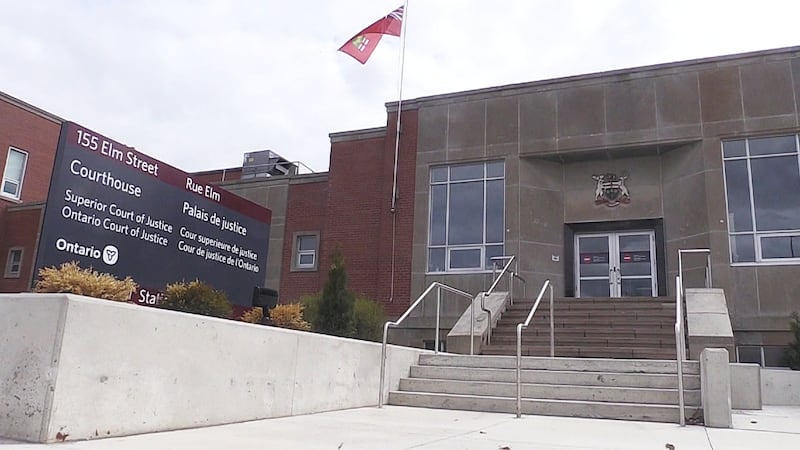
Jury members overseeing the trial for a man accused of the second-degree murder of Briana Hayes in April 2024 have been sequestered to reach a verdict. Hayes’ body was found by Saskatchewan RCMP in the RM of Moose Mountain on April 25, 2024. Following the investigation, police charged Taylor Japp with second-degree murder. Hayes and Japp were both from Oxbow, Sask. The trial began on Sept. 2 at Estevan’s Court of King’s Bench. On Monday, Justice Michael Morris delivered a lengthy list of instructions to the 12-member jury. The judge reminded jurors Japp is presumed innocent until proven otherwise under The Canadian Charter of Rights and Freedoms. He added it is the Crown’s responsibility to prove that Japp killed Hayes. In addition, Morris instructed members to rely strictly on the evidence provided in court throughout the trial, including testimonies, video surveillance and text messages, and to not reach a decision based on any biases or prejudices. The jury was sequestered Monday afternoon. It is unclear how long they will deliberate for before reaching a decision. How did Hayes die? During the trial, jurors heard testimonies from 33 witnesses, including RCMP officers, friends of Hayes, and Japp himself. The jury heard that multiple arguments between various people – including Hayes, Japp, Tyler Shaw, two men described as wearing masks, among others – took place inside a home on White Bear Lake Resort during the evening of April 23, 2024 leading into midnight of the next day. In a statement to police during the time of investigation, Shaw said he drove Hayes to House 108 on the reserve, and the two of them went inside. Shaw said while Hayes went to go do drugs in the kitchen with another person there, he went outside to the deck. Shaw admitted to also consuming drugs that night. Later that evening Shaw heard Japp arrived at the house. The Crown argued that while Shaw was outside he heard Hayes and Japp arguing and then heard a gun shot go off. Shaw said when he entered back into the house, he witnessed Japp holding a black pistol. He then saw Hayes laying on the ground bleeding. Shaw did not testify during the trial as he died from an unrelated matter. When questioned by the Crown, Japp admitted to removing the body from the house with Shaw’s assistance. Japp said Shaw also helped with tagging the body roughly 40 minutes from the nation. Japp also admitted to hiding Hayes’ body in a municipality roughly 40 minutes from the Nation. The Crown argued that Japp’s testimony was inconsistent, stating Japp admitted to providing a false alibi to police in April 2024 that differed from what he said in court. Japp said he did so because he was afraid of police and was “paranoid” as he was disposing of a body and selling drugs at the time. Defence argues Japp’s innocence Japp testified that when he entered House 108, he went inside the kitchen to speak with Hayes, who was arguing with one of the masked men. He says she then went to the living room to reach for the pistol, which he said belonged to both of them, and that is when he intervened and grabbed it from her. Japp said the second masked man held him from behind and pointed a weapon at him — and that this is when Hayes was shot by the first masked man. The identities of both masked men were not revealed. The defence argued Japp had a plausible explanation to him not being the person to fatally shoot Hayes. The defence added it does not have to prove the masked man was the killer, but rather, the Crown must prove “the necessary elements” that would make it evident that Japp was. Japp also testified he removed the body from the home because one of the people at house directed him to do so. Directions to jury When delivering his instructions, Justice Morris pointed out jury members must be mindful the purpose of Japp’s testimony was to hear his narrative of what happened. He added members cannot use what Japp said to define if he is the “type of person to commit the crime”, but instead must establish if he did commit it. Based on the evidence provided throughout the trial, the jury must answer three questions: