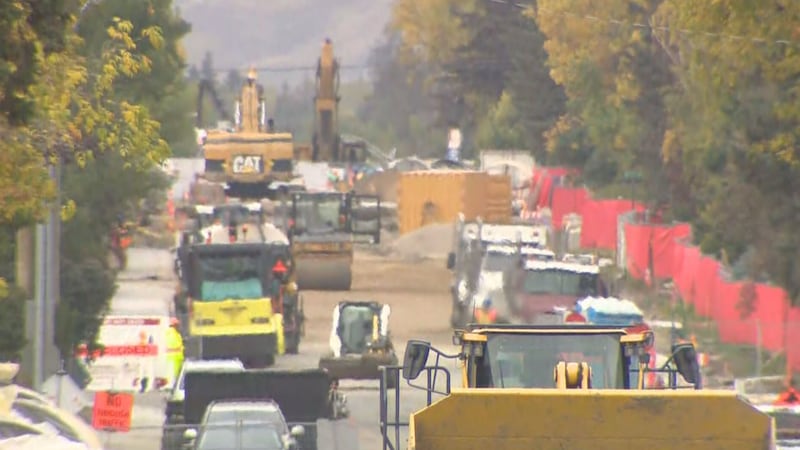
STARS Air Ambulance touched down in Warman twice in one day for separate calls earlier this week. According to the Warman Fire Department (WFD), both calls were for cardiac arrests. The first call came in just after 4:30 p.m., and WFD took over CPR from the RCMP who were already on the scene. WFD shared that EMS from Saskatoon arrived and called for STARS to assist. STARS made a landing on the intersection of Miller Street and Casper Crescent with no obstructions. The second call came in just before 7:00 p.m., where a female patient went into cardiac arrest after Medavie members arrived on the scene. Once again, STARS was called in and a landing zone was cleared on Clubhouse Drive East. The helicopter landed without obstruction. In a statement to CTV News, STARS thanked local first responders for the clearing the way for their landings. “Our ground-based partners play a vital role in ensuring Saskatchewan has access to critical care when and where they need it,” the statement read. WFD told CTV News that it is rare for STARS to land in the city of Warman. However, the life-threatening nature of the calls indicated that the situations were severe and time was precious. Medavie clarified that the ongoing construction on Wanuskewin Road did not impact the response of its ambulances in the area. “STARS air ambulance was requested based on established clinical and dispatch criteria,” Medavie’s statement to CTV News read. “Medavie Health Services works closely with STARS to ensure patients receive the most appropriate level of care as quickly as possible. Due to patient privacy, we can not provide any further details.” The City of Saskatoon doubled down on this point, pointing to regulations that are meant to ensure emergency vehicles can travel through construction zones. “Contractors are required to maintain emergency access through construction zones, and emergency service providers are advised of planned road restrictions, detours, and lane closures,” the city’s statement read. “For major projects, the City also coordinates directly with emergency responders so they are aware of changing conditions and can adjust response routes as needed.”