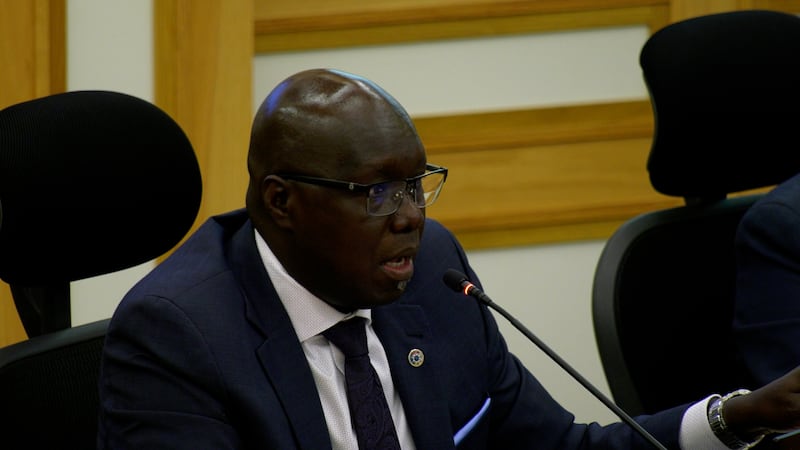
Daycare operators in Saskatchewan say some centres are facing steep financial deficits, warning the situation could worsen under the province’s new $10-a-day childcare agreement. The concerns were raised at an emergency meeting in Rocanville Wednesday, where the local daycare invited members of the public, corporate stakeholders and government representatives to discuss recent changes to their operations due to the Canada-Saskatchewan Canada-Wide Early Learning and Childcare Agreement. Cara Werner, director of Dream Big Daycare Inc., says the challenges they face are also putting pressure on the communities they serve. “That puts a huge economic strain on families and also on the community. We are a small community, so we have lots of people that work locally. Businesses are going to feel that impact of not having employees that have childcare,” Werner explained to CTV News. She argues the current model is inequitable and has become even more challenging following recent updates to the agreement. Werner says deficits have already become common across the sector. “We’re seeing centers in the past year that have posted anywhere from like $10,000 to $80,000 deficits. we posted a $60,000 loss last year,” she said. According to Werner, many centres rely heavily on grants to stay afloat, but those are disappearing. “That’s part of the problem with the system that we’re running off of grants all the time. Grants can go away at any time, and that’s what we’re seeing now with this new deal,” she said. The provincial government says the updated plan does not remove any existing revenue streams, and includes measures to maintain affordability for families. Sameema Haque, assistant deputy minister with the Ministry of Education, says operators are still able to generate additional revenue. “The [daycare] operators have been provided some guidelines as to what they can charge on an hourly basis or a maximum monthly basis,” Haque explained. “So we don’t erode the affordability for the families. But at the same time, those operators that are providing extended hours of services to the parents and families that need that. [Operators] have the ability to now charge additional revenue and generate that.” Werner says the system does not work the same way in practice. “The only time our fees move is when the government says that we get an increase. So typically before this agreement came into place, we would adjust our fees yearly to offset any sort of budgetary requirements that we would need: inflation, things like that. We’re unable to do that now.” Education Minister Everett Hindley says the program is designed to remain sustainable, and the government continues to work closely with the sector. “This is something that’s being done to make sure we maintain the stability within the sector to ensure that it is a viable for the long-term,” Hindley said. Werner brought her concerns to the provincial legislature Thursday, and says she plans to continue pushing for the ministry to roll back the changes before they take effect July 1.