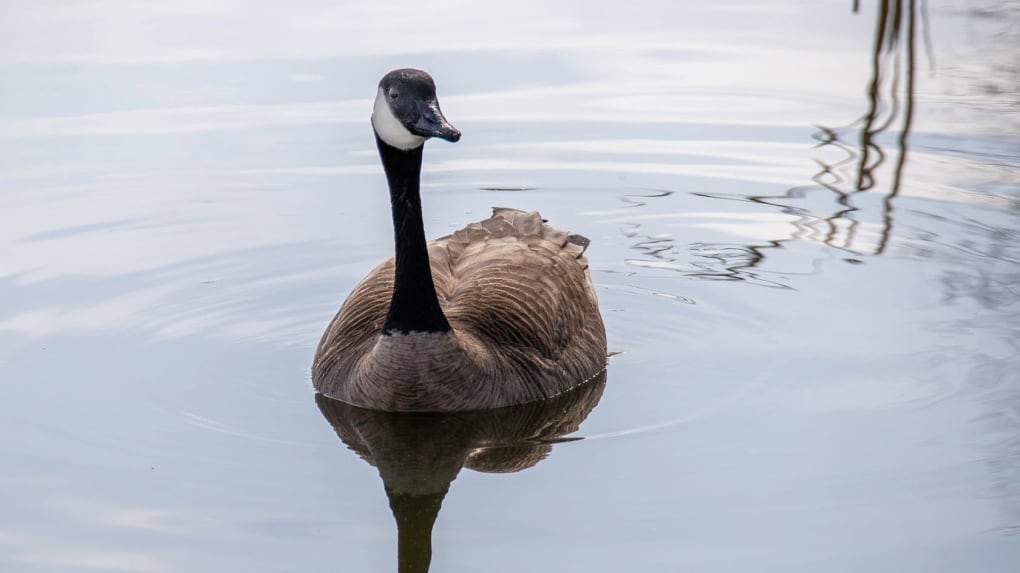
The Government of Saskatchewan says a house cat in the province’s southeast has died after contracting highly pathogenic avian influenza (HPAI). After reportedly seeming normal on the morning of April 20, 2026, the cat suddenly became “severely ill” with sudden neurological and respiratory signs. It died later that same day. Tests from Prairie Diagnostic Services and the Canadian Food Inspection Agency both confirmed the presence of HPAI (specifically the H5N1 strain). According to the province, the cat was known to spend time outdoors which increased its chance of exposure to wild birds or contaminated environments. “HPAI is commonly associated with wild birds and domestic poultry, but infections can occur in mammals, including cats and dogs,” the province said in a news release Thursday. “The risk of exposure may be higher during spring migration, when wild waterfowl activity increases.” Pet owners can lower the risk of exposure by keeping cats indoors and dogs on leashes when they go out. They can also reduce risk by preventing pets from hunting or scavenging wild birds, avoiding contact with sick or dead birds and by not feeding them raw poultry or meat from unknown or potentially contaminated sources. People are encouraged to contact their veterinarian if their cat or dog becomes suddenly or severely ill, especially after spending time outdoors or possible contact with wild birds. Some of the signs of bird flu infection include: “Owners should call the veterinary clinic before bringing in an animal that may have been exposed, so the clinic can take appropriate precautions,” the province said. As of now, the province says risk to the public remains low when people avoid direct contact with sick or dead birds. People are advised against touching, feeding or handling sick or dead wild birds and to exercise caution in general when dealing with sick animals.