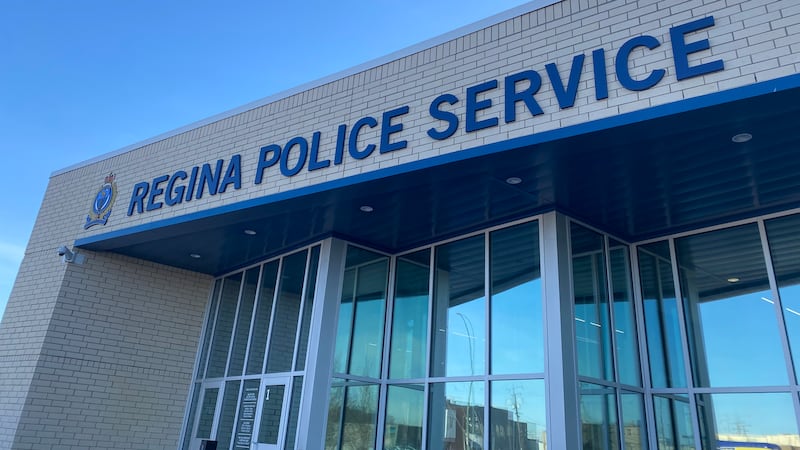
Regina city council has signed a resolution asking the Saskatchewan Urban Municipalities Association (SUMA) to explore alternative revenue tools for municipalities, including new or improved taxation options. Ward 3 Coun. David Froh believes the current system needs to be updated. “What I’ve learned in one year on council, is property taxes alone are wholly inefficient and actually quite a regressive and unfair tool for both residents and businesses,” he told fellow councillors Thursday at a special meeting. “I believe there is an opportunity, over time, to move away from a property tax system to a system that actually is fairer and more predictable,” Froh added. SUMA is looking to advocate for amendments to municipal revenue options, allowing cities province-wide to reduce their reliance on property taxes and boost funding for local services. Through the revenue sharing model, 0.75 of one full point of Provincial Sales Tax (PST) is redistributed to municipalities. In 2025-26, the Government of Saskatchewan will distribute more than $361 million across the province. However, SUMA says the program is not keeping up with the needs municipalities require to provide services. “These are things that municipalities have been talking about for many years,” SUMA president Randy Goulden told CTV News. “We’re very fortunate in Saskatchewan to have provincial-municipal revenue sharing. It’s sustainable. It’s predictable and goes into [municipal] budgets.” It comes as Regina city council passed a motion to join the efforts at a special council meeting Thursday afternoon aimed at expanding municipal revenue options and fiscal flexibility. City officials say the motion aims to reduce reliance on property taxes and strengthen local government funding. The motion, submitted in collaboration with SUMA, calls on the province to explore alternative revenue tools for municipalities, including new or improved taxation options. It also asks SUMA to advocate for the province to collect its own education property tax or reinstate a grant to cover municipalities’ administrative burden, to reinstate municipal surcharges on electrical and natural gas revenues from Crown corporations, and to exempt municipalities from PST on construction projects to reduce costs and support infrastructure development. “It’s quite a simple math problem,” Mayor Chad Bachynski told reporters after the meeting. “If we don’t pay PST on construction, we have more money that we can invest in other projects to make up that [infrastructure] deficit faster. Every opportunity we have only helps us accelerate our ability to get out of that deficit.” SUMA says Regina is not alone in its need for change. “It’s really coming from the smallest of our villages to the largest of the cities,” Goulden said. “We have very limited taxation policies and procedures. We can only tax our property tax: there’s nothing else. There are no other revenue streams that we can get.” “We can get grants from other orders of government or service fees, but those service fees are usually around providing water, sewer and recreation programs,” she added. Saskatoon is having similar discussions. Earlier this week, that council debated implementing a mandatory accommodation tax to fund tourism initiatives. A destination marketing fund already exists in the city. The three per cent voluntary fee is a charge some Saskatoon hotels add to room rates. However, not all participate. “Right now, it’s a very unfair market because the ones who are voluntarily participating are carrying water for everybody,” Saskatoon city manager Jeff Jorgenson said Tuesday. “Saskatchewan should follow the model of other provinces and either have a provincial tax or enable municipalities to levy that surcharge.” In response to CTV News, the province says it regularly reviews and amends legislation for municipalities and future reviews are welcomed for additional revenue sources. “[Municipal revenue sharing] aligns with the Government of Saskatchewan’s promise to develop a long-term plan with the municipal sector linked to the performance of the province’s economy,” the province added in a written statement. “With the pressures and the responsibilities now, it is no longer adequate with some of the changes that have happened to sustain our municipalities and the work that they have to do,” Goulden said. Goulden adds conversations with the province remain ongoing on the issue of expanding municipal tax revenue streams, going on to say she expects it to be an important topic at SUMA’s next convention in April. -With details from Keenan Sorokan