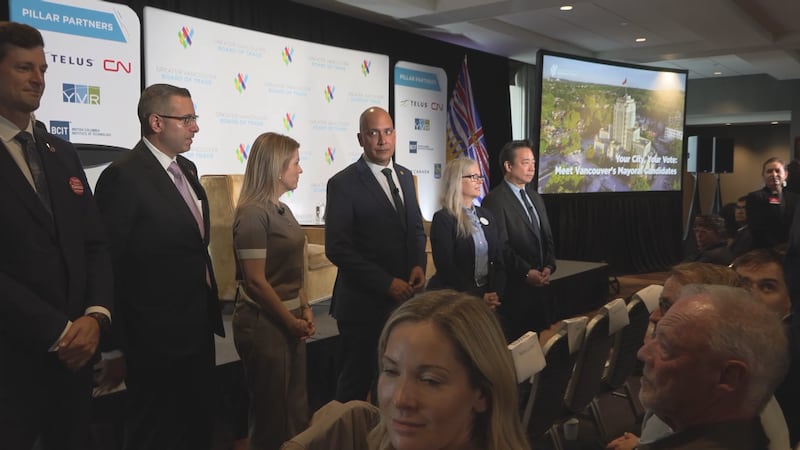
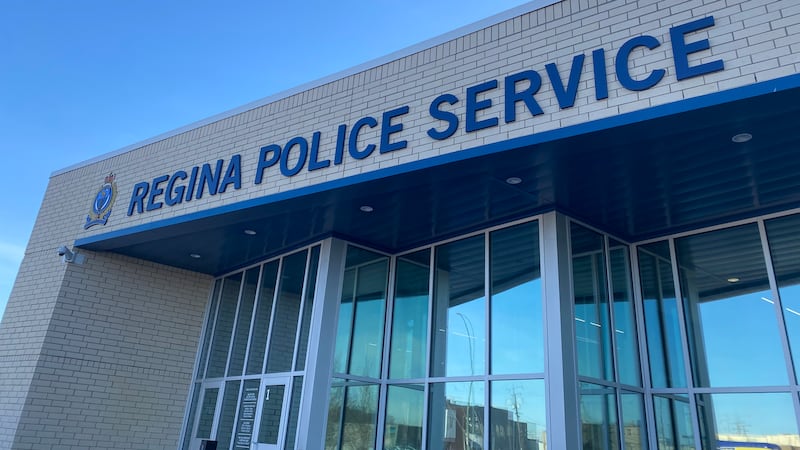
After nearly five full days of hearing from delegates, discussion and debate around the 2026-27 operating budget, Regina city council has approved a mill rate increase of 10.9 per cent. According to acting city manager Jim Nicol, it is the highest single-year property tax increase in Regina’s history. “Given the realities of inflation and the pressures on the city, it’s the math,” Mayor Chad Bachynski told reporters following Friday’s approval. “We have to go by the math. If we don’t, we’re going to put ourselves in a worse spot moving forward.” The final approval is more than a four per cent decrease for administration’s 15.69 per cent November forecast – yet still larger than what council approved for 2025. Following a motion put forward by Mayor Bachynski Wednesday, actions such as removing physical parking meters from the downtown and moving to a full-cashless system, increasing transit fares 10 per cent, cancelling planned transit service expansion to service late night weekend and holiday routes, and deferring investments into the transit fleet reserve – among others – will be enacted. An amendment to add transit security, increase downtown parking and ticket fees were also approved. Through debate, councillors found nearly $12 million dollars in savings and other efficiencies. Many were listed as part of administration’s contentious budget reduction options provided to councillors. Bachynski says having the transparency in the process made it easier but created more nerves in the community. “It painted a pretty clear picture there were no easy decisions,” he added. “But harder because all of those decisions are tough. They all have an impact. And it showed there’s no magic pot of money somewhere.” City funding to key service partners is about $14 million of the budget. The Provincial Capital Commission will receive $2.7 million, Economic Development Regina gets $1.9 million and the Regina Exhibition Association $10.8 million. Council also approved a record budget for Regina Police Monday which sees the city grant $116.1 million in tax funding to the service. Close vote The final vote Friday evening on the operating budget all but a consensus – passing narrowly with a close 6-5 vote. Those who voted in favour were: Councillors David Froh (Ward 3), Sarah Turnbull (Ward 5), Victoria Flores (Ward 6), Shobna Radons (Ward 7), Jason Mancinelli (Ward 9) and Mayor Chad Bachynski. Councillors Dan Rashovich (Ward 1), George Tsiklis (Ward 2), Mark Burton (Ward 4), Shanon Zachidniak (Ward 8) and Clark Bezo (Ward 10) voted against. “As a representative of the residents of Ward 4, I cannot support this level of mill rate increase,” Burton said. “There’s a limit, and I’m here to represent that limit.” On Monday while debating Regina Police Service’s budget, Zachidniak called the budget, “the worst [she’s] seen in [her] time on council.” She reiterated the point Friday. “At the end of this prolonged process of debating the operating and capital budget, we’ve had days of failed amendments attempting to bring down the mill rate, sometimes by pennies and sometimes by millions of dollars in one fell swoop,” Zachidnaik said. “We can all agree there were some easy wins that we walked away from, although we may not agree what those easy wins were.” “Instead, we’ve approved a slew of cuts, increases in prices and reduced services that will make our city less efficient, make life more expensive and less enjoyable for our residents,” she added. Ward 9 Coun. Mancinelli said budget time, “is not a time to win a popularity contest.” “I’ve heard all kinds of brags about how we’re going to save money,” he said to his fellow council members. “We’re going to do these things and naming things people can’t recognize. All types of programs that involve employees who do really important work, trying to save money the public doesn’t recognize – so i’s not contentious.” “This is the real job. This is the hard work. And this really sucks,” the three-term councillor added. Bachynski believes councillors had great debate over the past week, despite having not agreed to everything. “Every councillor brings their own experience and more importantly, the voice of the residents from their ward,” he said. “At the end of the day, we found a balance.” Average household impact With the 10.9 per cent mill rate hike, residents will see an increase on their property taxes – to be implemented in June. The average household impact will be about a $23/month increase for city expenses related to property taxes. Bachynski hoped to halt stark tax increases like the one approved this year. “I would love to see a state where we have longer term, predictable increases that are closely tied to inflation,” he said. “Where we have reserves at a healthy spot to supplement that in a very transparent way and to ensure we don’t deplete them to the point that we are today.” Utility rate increase As part of deliberations, council also approved the city’s utility budget for the next two years. This item saw no amendments from councillors, meaning administration’s originally forecasted 7.82 per cent increase was approved Friday. The utility budget is used to maintain the city’s water services, which include wastewater and storm drainage. The utility rate is a separate increase to the city’s mill rate. The average Regina household will see its utility bills rise $14/month. Combined with property taxes, city expenses are increasing a total of $37/month for the average resident.