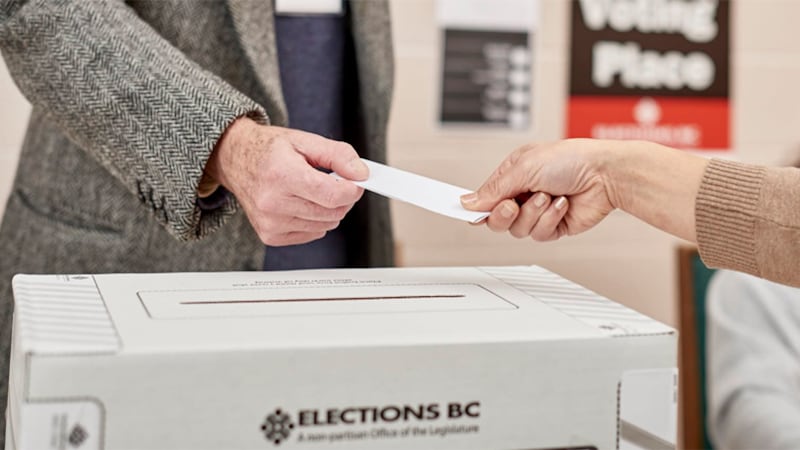
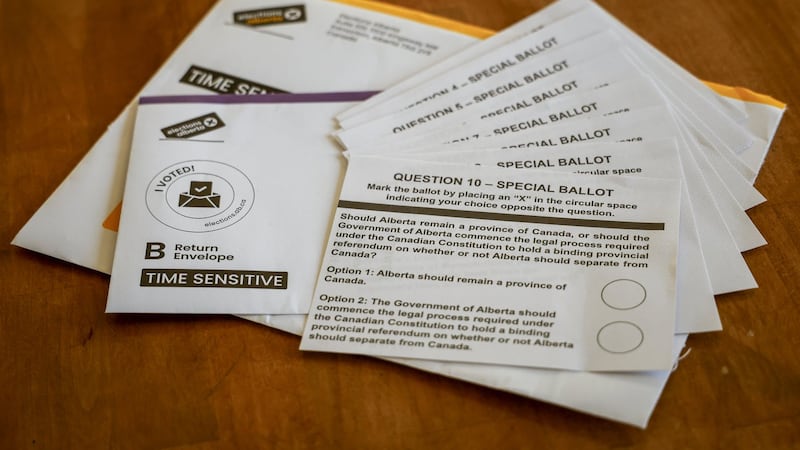
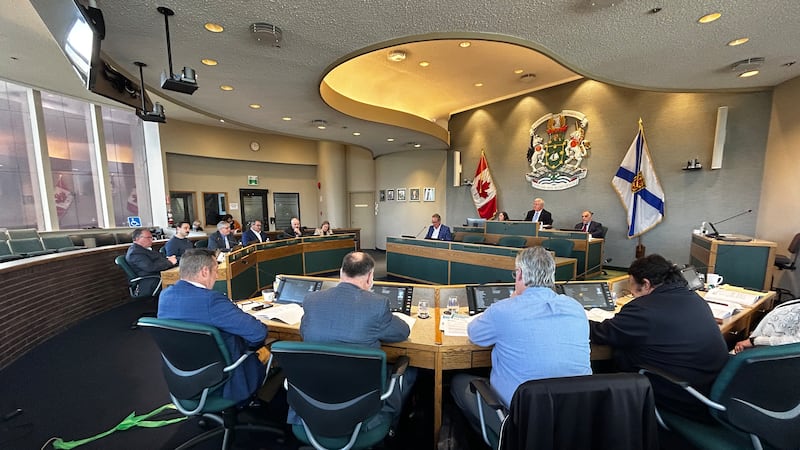
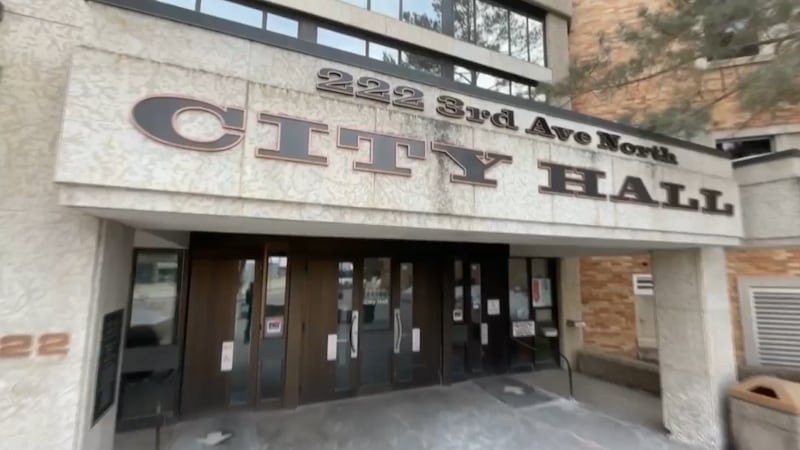
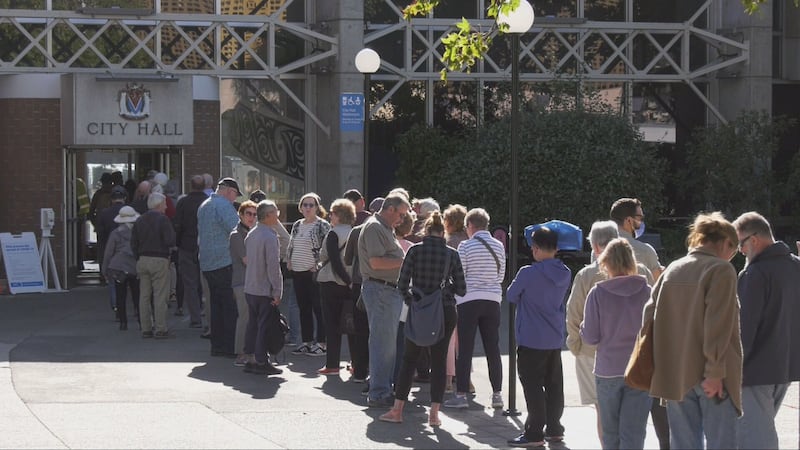
The City of Ottawa’s municipal election campaign begins on Friday, officially kicking off the 176 day dash to the ballot box in October. May 1 is the first day candidates can file the nomination paper to run for mayor, councillor or school board trustee. The City of Ottawa’s elections office opens at 8:30 a.m. for candidates to begin to register. The election will be held on Monday, Oct. 26. Here is what you need to know about the municipal election campaign in Ottawa. Key dates Here are the key dates for the 2026 municipal election campaign in Ottawa: New faces at Ottawa City Hall There will be at least two new councillors around the council table after the municipal election. Stittsville Coun. Glen Gower has said he will not seek re-election after serving two terms. Kitchissippi Coun. Jeff Leiper has said he will be running for mayor. Who is eligible to run for elected office? According to the City of Ottawa, you are eligible to be a candidate for the office of mayor or councillor if you are: Candidates for school board trustee must be: What are the requirements to run? Candidates planning to run for mayor and councillor must have signatures from 25 eligible electors endorsing their nomination. When a candidate goes to register, they must provide proof of identity. They must also pay a fee when filing their nomination form: Who do I vote for? Voters will cast a ballot for a mayor, a city councillor and a school board trustee for the 2026 to 2030 term. Ottawa will elect a mayor, one councillor in each of the 24 wards and one elected trustee per school board zone. School board trustees Trustees at the Ottawa-Carleton District School Board and Ottawa Catholic School Board will have their responsibilities change during the new term. The Ontario government introduced legislation in mid-April to impose restrictions on trustee discretionary expenses and honorarium, “strengthen budget oversight and accountability” for trustees, and establish two new roles in English-language school boards – a Chief Executive Officer and a Chief Education Officer. The Putting Student Achievement First Act introduces the following changes: School boards will soon have a Chief Executive Officer (CEO) and a Chief Education Officer (CEdO). The province says the Director of Education would become known as the CEO and “have required business qualifications to deliver on their responsibility for financial and operational oversight.” The CEO would lead the development of school board budgets to “strengthen school board budget oversight and accountability,” according to the province. Budget matters would be referred to the Minister of Education for decision when trustees are unable to reach an agreement. The Chief Education Officer would be required to have “pedagogical qualifications,” including membership in the Ontario College of Teachers and focus on “advancing student achievement and success using their expertise in effective teaching practices.” The board of trustees would have the authority to hire the CEO but require ministerial approval for termination. The CEO would be responsible for hiring and appointing the Chief Education Officer. When can I vote? Ottawa residents will have six days to cast their vote in the municipal election. On Oct. 1, 2, 3 and 4, the city will host special advance voting days, with polling stations open from 10 a.m. to 8 p.m. On Oct. 16, an Advance Voting Day will be held, with voting locations open from 10 a.m. to 8 p.m. October 26 is election day, with voting places open from 10 a.m. to 8 p.m. Who can vote? To cast a ballot in Ottawa’s municipal election, you must be the following on election day: Can I vote by mail? Residents will be eligible to vote by mail in Ottawa’s municipal election. Voters must submit an application to the Elections Office using the online application tool on Ottawa.ca to vote by mail in the election. More information on mail-in voting will be available as of May 1. What is the cost of the election? Ottawa taxpayers will pay $9.2 million to cover the cost of the municipal election. Staff say the price tag includes the cost of implementing special mail-in ballot processes. The $9.2 million cost includes $2.983 million for staffing, $3.48 million for voting events, including election worker costs, supplies and vote tabulators, and $2.15 million for printing ballots and voter notification cards.” 2022 municipal election Here is a look at the 2022 municipal election statistics: