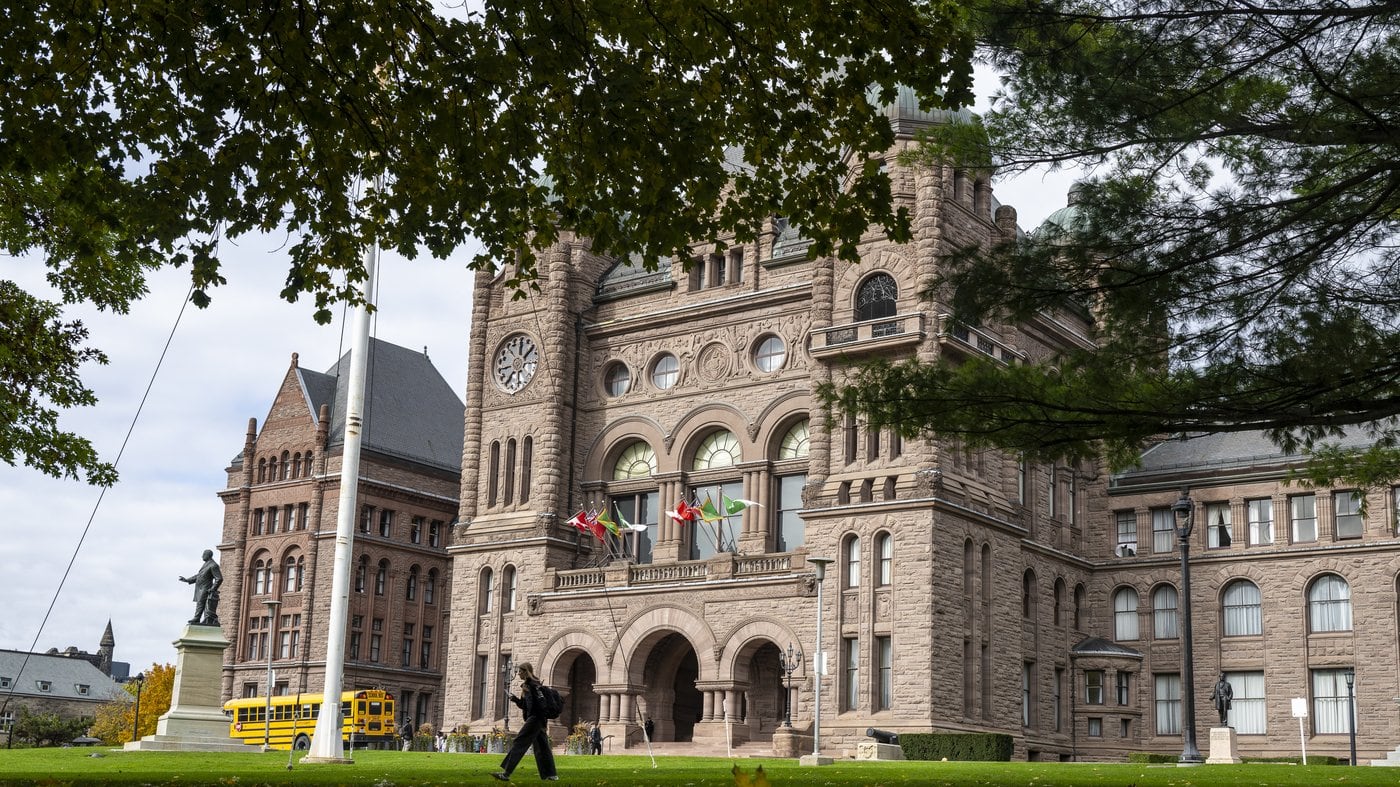
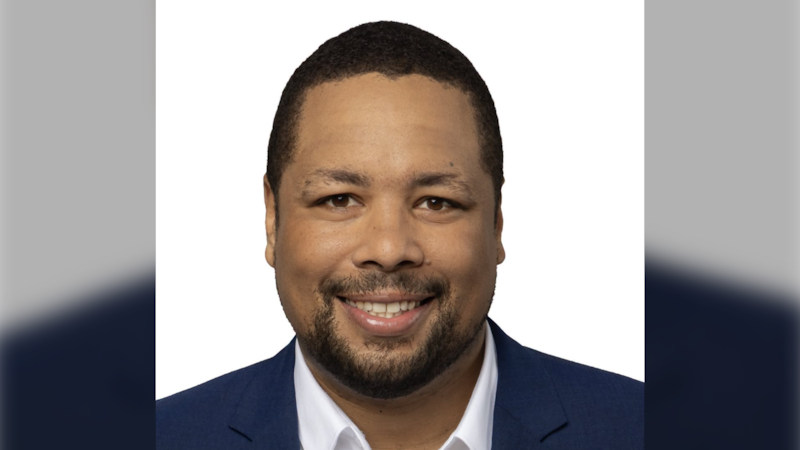
The Ontario government’s legislation overhauling school board governance and expanding the education minister’s powers has passed at Queen’s Park, drawing sharp criticism over both its contents and the speed of its passage. Bill 101, the Putting Student Achievement First Act, creates a Chief Executive Officer role at English-language boards, caps trustee numbers, and limits local control over budgets, communications, and capital spending. It passed third reading at the Ontario Legislature on Wednesday and will come into force when it receives royal assent. When the bill was tabled last month, Education Minister Paul Calandra said it increased oversight and directed more resources toward student achievement. He has cited issues with spending and continued deficits at school boards as a reason that reform was needed. The legislation restructures school board leadership significantly. The government originally proposed a separate Chief Executive Officer for operations and a Chief Education Officer for curriculum. But as amended in committee, Directors of Education will now formally become the CEO of their board and may also appoint themselves as Chief Education Officer — meaning one person can hold both roles. Chief Education Officers must belong to the Ontario College of Teachers, though, the minister can establish their own equivalent qualifications. Trustees would also need the minister’s written approval before dismissing a CEO. The Education Minister’s office did not respond to a request for comment. ‘Centralizing power’ Ottawa West-Nepean MPP Chandra Pasma said the bill is “really about centralizing power in the hands of the minister and shutting down local voices.” Speaking to News Talk 580 CFRA The Morning Rush, Pasma said it adds bureaucracy without additional funding while stripping authority from local communities. Calandra moved to close debate on the issue Wednesday before the bill passed third reading by a vote of 63-40. Pasma accused the government of quietly moving up the deadline for public input, leaving many residents unable to submit feedback. “So, they know that this bill isn’t doing what they say it is, and they’ve done their best to make sure that nobody has had the opportunity to have that say publicly,” Pasma, the NDP education critic, said. The Ottawa Catholic School Board also raised “serious concerns,” with the chair and trustees writing that the board “doesn’t need provincial intervention.” A letter to the minister called the OCSB “a model of how local accountability and a clear Catholic mission deliver excellence,” and warned that a “one-size-fits-all” approach risks destabilizing high-performing boards. It asked the government to reconsider the bill’s scope and pursue “meaningful collaboration.” The board’s chair was unavailable for an interview this week to discuss their concerns. French-language boards are exempt. It remains unclear how the legislation interacts with the eight boards already under provincial supervision, including the Ottawa-Carleton District School Board. Calandra said last week none of the eight boards were ready to be released from supervision and gave no timeline for when that could happen. Other key changes