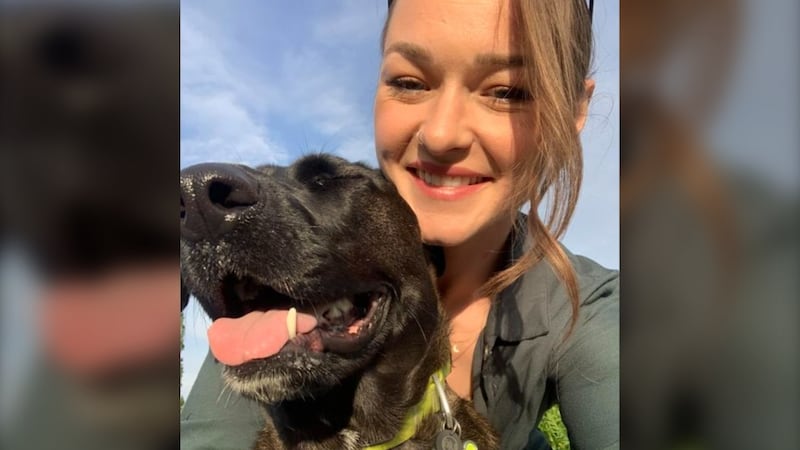
A Quebec woman says scammers posing as RBC representatives drained thousands from her business account in a fraud so convincing she didn’t realize what had happened until it was too late. Melissa Plett, a musician and business owner living in Saint-Armand, says the scam began with a phone call on Friday, June 13. The number on her call display appeared to be from RBC. The caller claimed there was suspicious activity on her account and instructed her to sign into her banking app to secure it. Because she had received a nearly identical — and legitimate — fraud alert call from RBC just two months earlier, Plett said she didn’t question it. “It didn’t set off any new alarms,” she told CTV News. “I had just gone through this with the bank in April, so, I just thought ‘OK, they’re at it again.’” Plett says everything about the call felt routine. The greeting was the same as past RBC calls, down to the disclaimer that the conversation was being recorded. The caller never asked for her password. Instead, they walked her through logging into her own app, she believes that is when the hackers gained access. “It was totally normal. I didn’t give out any information, I didn’t click any links. I just did what I was told inside the RBC app,” she said. The call ended about 30 minutes later, with Plett feeling relieved. But, just minutes afterwards, she got another call — this time, from the real RBC. “They told me there was fraudulent activity in my account, so I told them ‘I know, we just talked about that.’ That’s when they said, ‘No, that wasn’t us.’” According to Plett, two wire transfers were made from her accounts during the scam call. She said RBC told her they would stop the transactions but, when she logged in on Monday, both had gone through. “If I hadn’t checked, I don’t know what would’ve happened,” she said. “They didn’t stop the transfers, and they didn’t help at all.” Plett says she later discovered that the scammers had moved money from her mortgage line of credit into her checking account, putting her in debt and incurring interest. After reporting the fraud to RBC, she says she was told they couldn’t do anything and she had to prove it wasn’t her who logged in and transferred the funds. “They told me, ‘You’re the one on your app, so you’re the one who did this.’ But obviously I didn’t,” said Plett. “I want them to show me the login trail — it couldn’t have just been me.” But the scammers took about $15,000 from her accounts. The fraud Plett claims to have experienced is not an isolated case. In recent weeks, CTV News has heard from several other RBC clients who described similar scam calls. In a statement to CTV News, RBC spokesperson Rachelle Landry said the bank takes all client concerns seriously and investigates fraud on a case-by-case basis. While she did not address Plett’s situation directly, she confirmed the bank has teams working around the clock to detect and prevent scams. “Knowing how to spot the signs of a scam and taking steps to protect one’s personal and financial information are key,” Landry wrote. “An RBC representative will never ask you to provide one-time passcodes, download remote access applications, or ask you to send money to secure your profile.” ‘Frightening milestone in cybercrime’ Technology analyst Carmi Levy says fraudsters are growing more sophisticated and the scam that targeted Plett is part of an alarming trend. “In this case, it looks like the criminals spoofed not only the RBC phone number but also the caller ID and greeting script,” said Levy. “It was all designed to look and feel completely real.” He called it a “frightening milestone in cybercrime,” noting that, according to Plett, the attackers never asked for credentials or banking information. “She simply signed into her app, and that was enough. This is next-level crime,” said Levy. “It’s a new vector that makes it much harder for users to detect a scam before it’s too late.” In order to protect themselves, he said consumers must assume that unsolicited calls are fraudulent and always call their bank back directly using the number on the back of their card. “You need to control the call. Never engage with the person who contacted you first,” Levy said. While technology is evolving to flag spoofed numbers and block suspicious calls, Levy says there’s no silver bullet. He encourages people to treat cybersecurity like a family issue and have conversations with loved ones about how to spot fraud. “That can go a long way toward ensuring we’re better protected,” he added. As for Plett, she says she still hopes RBC will take responsibility. “I have business accounts with them in the U.S. and Canada, as well as a mortgage. I’ve always had a great experience with them until now,” she said. “We pay banks to keep our money safe, so, I really hope they do the right thing.” Her advice to others: let the call go to voicemail. “If it’s your bank, they’ll leave a message, and you can call them back,” she said. “Or, better yet — just go in person.”