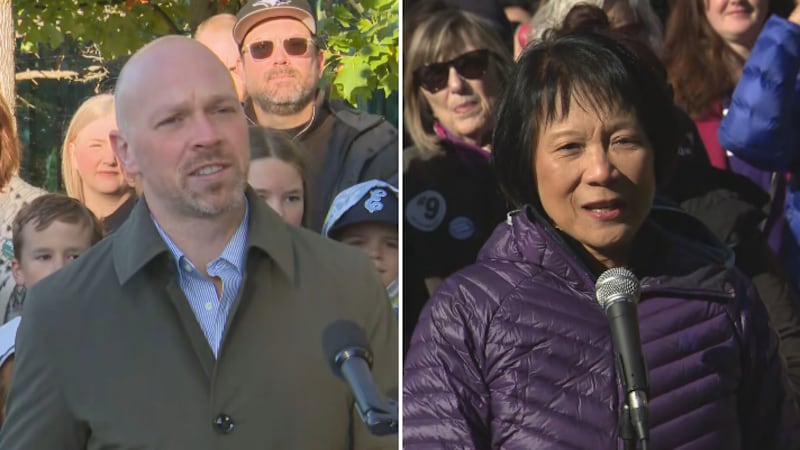
Montreal will elect a new mayor in November, but a new Leger poll has found most still don’t know how they’ll vote. While 19 per cent of Montrealers are happy under the current party Project Montreal, 61 per cent of those surveyed want change. The remaining 20 per cent are unsure. “I don’t know whether I liked the party or whether I like Plante,” said one Montreal man when asked about the last two municipal terms. “I have enough time to look into the new candidates,” he added. So far, those running for mayor include Project Montréal’s Luc Rabouin, Ensemble Montreal’s Soraya Martinez Ferrada and Transition Montréal leader Craig Sauvé. The race also includes Jean-François Kacou from Futur Montréal and Action Montréal’s Gilbert Thibodeau. “It’s been a very odd summer for people involved in municipal politics,” Leger executive vice-president Sebastien Dallaire told CTV. He says candidates will need to work hard to garner voter attention. “We have major global conflicts that are grabbing a lot of headlines as well, and provincially, then we have the commission on SAAQclic. We’ve had a big highly mediatized byelection in Arthabasca as well this summer. So all of those things have really grabbed headlines,” Dallaire says. As far as leaders are concerned, the poll suggests 18 per cent of Montrealers support Ferrada. That’s compared to 15 per cent who favour Rabouin and seven per cent for Sauvé. Another 10 per cent of voters are leaning toward other candidates, while eight per cent say they don’t plan to vote. The rest remain undecided. Political commentator Justine McIntyre says that could be because Montrealers feel like they are not being heard. “When you talk to Montrealers, what’s top of mind for a lot of people doesn’t necessarily seem to be top of mind for the candidates. So I would like to see candidates really listening to Montrealers frustrations. And a lot of their frustration is about very basic things,” she says. “It’s about cleanliness. It’s about getting around the city. It’s about feeling safe. And these are really basic things that if the city doesn’t deliver on those, then the rest of the discourse kind of falls short,” McIntyre explains.