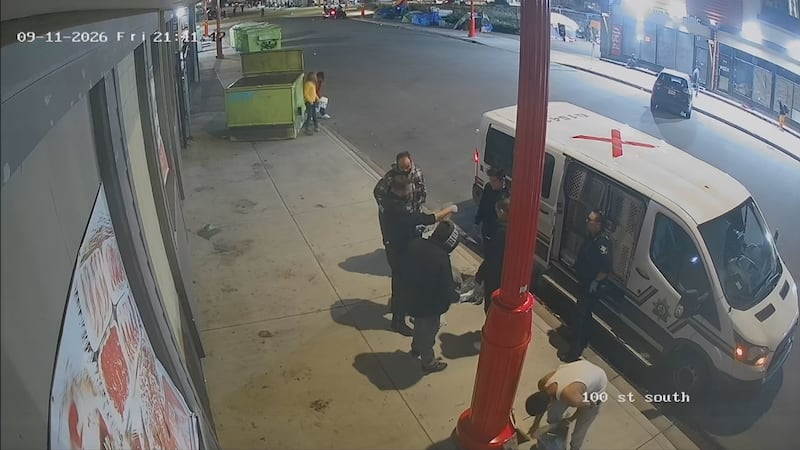
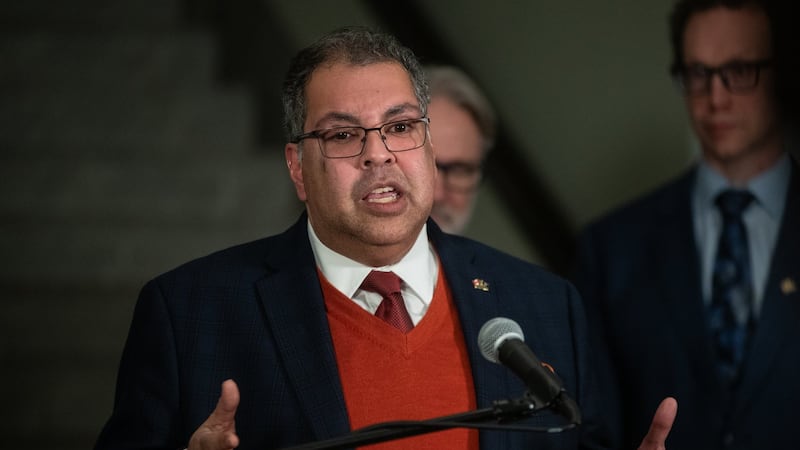
Montreal Mayor Soraya Martinez Ferrada’s administration launched a plan to tackle homelessness on Tuesday. The goal of the Homelessness Tactical Intervention Group (GITI) is to combine homelessness resources to find long-term solutions to the crisis. “Homelessness is a priority for our administration,” said Martinez Ferrada. “Every tent we see on our streets reminds us of our collective responsibility. With the creation of the Homelessness Tactical Intervention Group (GITI), we are moving from emergency response to structured and agile action. By working together with all of our partners, we will provide greater long-term predictability, better coordinate our actions in the field and bring concrete solutions to Montrealers.” The 12-member unit is an extension of the crisis unit established in December and includes members of the municipal and provincial governments, as well as public health and social service officials. Community group leaders such as Sam Watts, CEO of the Welcome Hall Mission, are also involved. “There’s a fair amount of money that’s circulating in the ecosystem of care right now. The question is, are we distributing it in the most efficient way? And that’s something that we’re going to have a chance to look at now. Is it going to take more money to solve the problem? Yes. But let’s make sure that when we put more money there, that we’re not throwing it at a system that isn’t working,” he said. Montreal executive committee chair Claude Pinard is slated to lead the team. “We are giving ourselves the means to intervene earlier, more effectively and with greater impact,” said Pinard. “We will strengthen our responsiveness and better plan our actions, season after season.” The GITI is set to meet approximately every three weeks with a primary mandate of harmonizing interventions, increasing presence and planning “actions in a more structured manner to improve cohabitation in neighbourhoods while supporting Montrealers living in encampments.” ”No one chooses to end up on the street," said Quebec Health Minister Sonia Bélanger. “Given the scale and complexity of the situation, coordination is essential.” The group is expected to create a map of homelessness services, a seasonal action plan and a dashboard of key indicators. “You’ve got to look at all aspects in order to make sure that what’s out there is fitted with what the needs are, and it’s very different across the 19 boroughs and the 15 different cities,” said executive committee member Benoit Langevin. Martinez Ferrada said the city is also considering ways to identify families on the brink and step in early. “For instance, microloans to people that, have bad luck and can’t pay the rent. The other thing that we’re looking into is can the city of Montreal have units of homes that we can rent?” she said. Watts said prevention is only half the battle, because there are already 6,000 homeless people in Montreal and more housing is needed to solve the problem. “We have, I think, at last count, 900 units of housing that are affordable, that are boarded up in the city. Well, let’s renovate those. Let’s get them, make them operational. Let’s make them available. Those are the kinds of places we can start,” he said.