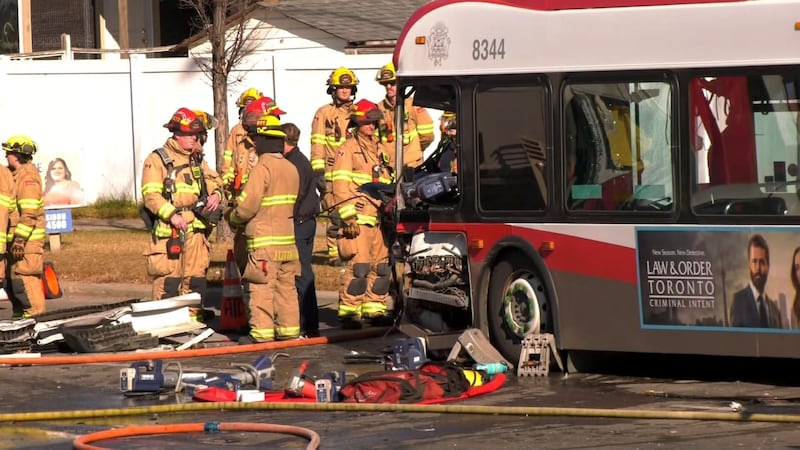
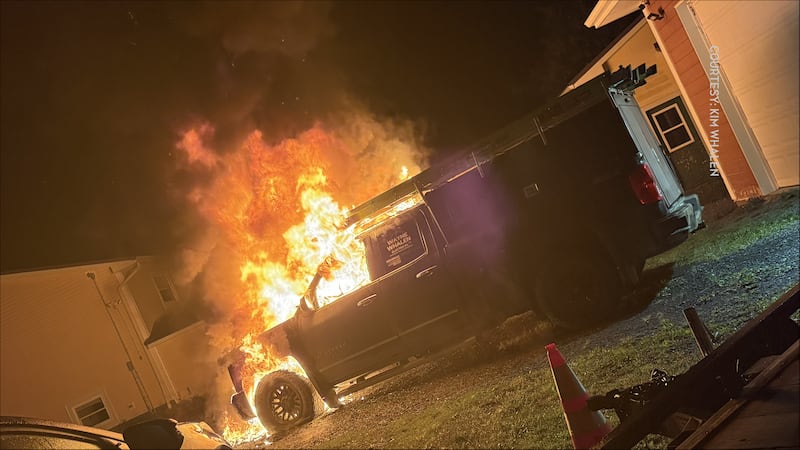
Battery-related fires in Montreal have surged in recent years, with fire officials warning that unsafe charging habits and unregulated batteries—especially in e-bikes and e-scooters—are driving the spike. “We’ve actually seen a 195 per cent increase with those type of fires since we started collecting data in 2022,” said Robert Rousseau, division chief at the Montreal fire department (SIM). The SIM says that people are modifying their e-bikes and e-scooters by adding extra batteries to give them more power, which is a major fire hazard. “It’s not normal that you can see a battery for, let’s say, $25, and you can see the exact same battery for $1.50 plus shipping [on cheap e-commerce sites],” he said, adding that these batteries don’t meet Canadian safety standards. Batteries powering everything from cellphones to power tools are also increasingly being flagged as fire hazards. Scientists at McGill University are working on making lithium-ion batteries that are less expensive, more powerful and safer. “We want our energy storage device, the batteries to store more and more energy in a more compact and the smaller and the lighter weight devices,” said Jinhyuk Lee, an assistant professor of materials engineering. Lee added that while electric vehicles have room for safety devices like liquid cooling systems, devices like scooters and cell phones don’t have the space. Components in these batteries can overheat, burn and generate gas in a very small area. “And then this pressure will build up. And then, boom, like a balloon,” he explained. The Montreal fire department recommends charging batteries during the daytime when people are awake and can monitor them. And to use the right charger for the device and only for the amount of time specified in the user manual “So it says that you need to charge it for four hours. Well, charge it for four hours. And unplug it. Don’t leave it there for seven,” said Rousseau.