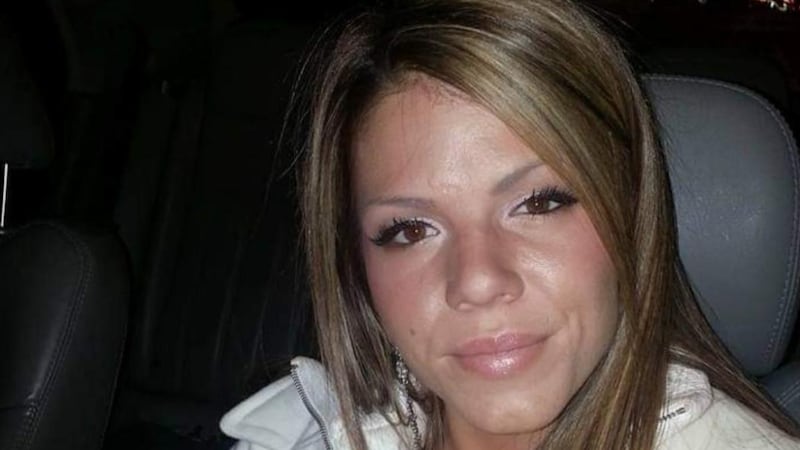
Patients battling aggressive forms of blood cancer and some other conditions now have additional access to stem cell transplants at home. It is welcome news for Bayfield resident Jaci Van Altena, the first to benefit from the new program. She would have never imagined she’d be confined to hospital battling a life-threatening condition. In 2024, the veteran of the Royal Canadian Navy was working and travelling in New Zealand when she began to feel unwell. “I couldn’t breathe, I could barely go up the stairs, then I started coughing up blood,” Jaci recalled in an interview with CTV News. It did not take doctors in New Zealand long to diagnose the problem. “They kind of put me in a room and said, ‘You know, we have a diagnosis of leukemia.’” Jaci quickly returned to Canada where doctors began a treatment regimen. Once specialists determined her cancer could not be brought under control with traditional treatments, she was referred to the LHSC’s Verspeeten Blood and Marrow Transplant Program. Sadly, her immediate family was not a match. Until this past summer, that would have meant Jaci would need to head out of town for treatment if an unrelated donor match could be found. “Previously we would have about 15 to 20 patients every year going to Princess Margaret Hospital in Toronto to receive a stem cell transplant,” explained Carey Landry, an LHSC director overseeing stem cell programs. But Jaci soon received good news – twice. Not only was a donor match located, but she was also given the chance to be the first to receive treatment in London. Landry says the innovation has opened the door for more patients battling life-threatening and life-altering conditions. “Cancers like leukemia, lymphoma, myeloma, as well as some people who have inherited blood disorders or marrow failure disorders, such as severe plastic anemia,” she said. The ability to treat people in London enhances patient care. Until now, between 15 and 20 patients a year have been forced to leave loved ones as they received treatment, Dr. Uday Deotare, a hematologist working in the stem cell program explains. “They do suffer from some mental health issues, financial issues, because they have to relocate to a different city, which sometimes, from rural Ontario, can become very, very demanding for them as well,” he said. Deotare says long-term survival rates for blood and marrow stem cell transplants are between 60 and 70 per cent. Jaci believes she among the fortunate as she continues to regain strength. She’s back to the gym, a part-time job, and soon – hopefully – a chance to travel again. “I never once doubted that I was going to get past this!” she said.