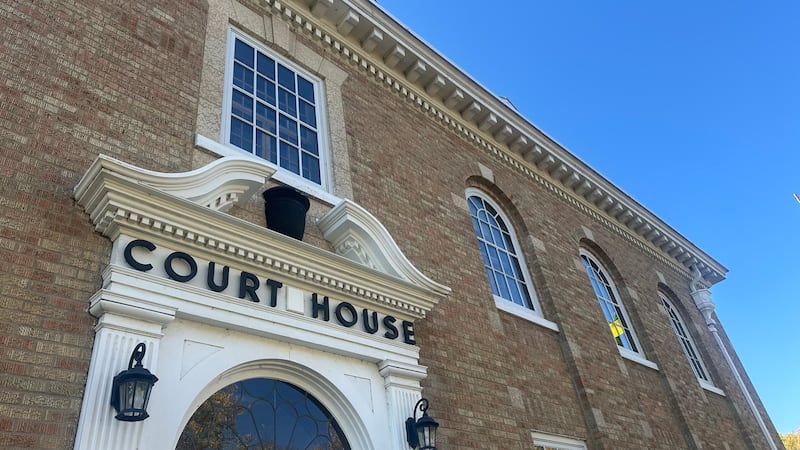
The consortium that built the first phase of Waterloo Region’s ION light rail transit system is suing the region, alleging years of construction delays, unpaid work and breaches of contract. In a statement of claim filed in Kitchener Superior Court, GrandLinq GP alleges the region repeatedly delayed the project by failing to complete utility work on time, acquire land and meet other contractual obligations. GrandLinq is seeking approximately $110 million in damages, plus interest and costs. According to the lawsuit, the region’s failure to complete utility relocations “on time” resulted in “delays, disruptions, and additional costs” throughout the project. The consortium also alleges the region failed to secure land needed for construction in some cases, forcing GrandLinq to obtain access itself. The lawsuit further claims the region disrupted the project by changing requirements and issuing “more than 23,000 comments” during construction. GrandLinq alleges those issues contributed to more than “1,000 calendar days of delay.” The consortium said it was able to recover roughly 800 of those days by accelerating construction, but only after spending millions of dollars on mitigation efforts. Although ION service began in June 2019, GrandLinq argues the region has yet to issue a final completion certificate for the project. The lawsuit also alleges the region has enjoyed ridership revenues “which likely exceed $70 million,” while refusing to meet its contractual obligations. GrandLinq disputes the region’s alleged safety concerns, claiming they are “disingenuous” and that their intent is to withhold final completion and payment. The lawsuit argues that if legitimate safety concerns existed, the region has the contractual authority to suspend operations or direct GrandLinq to correct them, but the group of contractors allege neither occurred. In a statement to CTV News, the Region of Waterloo said it will respond through the court process. “The Region will provide a response through its pleading and as the matter is before the courts, the Region will not be commenting further.” None of the allegations contained in the statement of claim have been proven in court.