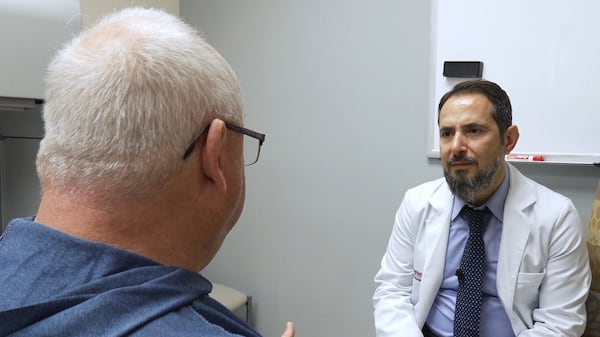
Ontario is changing the rules around hearing aids. The Ministry of Health says adults with mild to moderate hearing loss will soon be able to get the devices over the counter and without a prescription. They promised the move would mean “more choice, greater convenience and access to new technologies.” While it’s good news for lower-income households, or those without insurance coverage, there are some drawbacks. Ewen MacDonald, an associate professor of biomedical engineering at the University of Waterloo, warns that hearing aids aren’t a one-size-fits-all solution. “The devices we have today can be quite complex, with many settings and parameters,” he said. “The challenge is how do you find the right setting for that particular person?” One big consideration is how the hearing aid will be used. MacDonald said there’s a difference between struggling to hear music or a conversation in a crowded restaurant. He worries people will buy the devices simply to turn up the volume. “High noise, high sound levels can damage our hearing,” MacDonald warned. “So, if you’re constantly amplifying sound to your ears, you may be causing some damage.” For Sanj Sukumaran, president of the Ontario Association of Professional Audiology Clinics, communicating those safety concerns should be a priority. He shared some examples of those warnings. “Messaging that children aren’t going to be fit for these, that there are limitations, what they can fit and who they can fit.” Sukumaran said a professional opinion should always be the first option. “We want to be able to assess [the patient’s] hearing, tell them if there are limitations, tell them if they’re just plugged with wax,” he explained. MacDonald agreed with that suggestion, noting hearing loss can sometimes be an indicator of an underlying health issue. “The number one modifiable risk factor for dementia is treating hearing loss,” he said. “I think it’s important, if you have any concern about your hearing, to try [going to your doctor].” Hearing aids can range in price from hundreds to thousands of dollars and testing isn’t always covered, so MacDonald suggests visiting a hearing clinic for a free consultation. The Ministry of Health addressed pricing and funding in an email to CTV News. “Our proposal enables the use of OTC [over the counter] hearing aids and does not impact pricing for the devices,” they wrote, adding, “These changes will complement – not replace – prescription hearing aids and professional hearing care, while preserving access to funding support for prescribed devices through the Assistive Devices Program.” The government said over the counter hearing aids will be included in their upcoming economic statement, which will be tabled on Oct. 29.