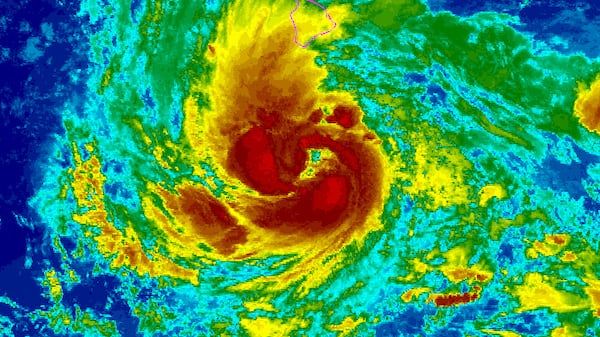
Tuesday evening’s severe weather prompted warnings and alerts in parts of southern Ontario, but questions are being raised around how the system works. Tornado warnings were issued in parts of Brantford, Brant County, Oxford County, Woodstock, and Simcoe. Other weather alerts, including severe thunderstorm warnings, were also in effect. Posts on social media reveal some people within Waterloo Region received several phone notifications in a short time span around 6:20 p.m. Other people didn’t receive an alert at all. Cambridge resident Aimee Caldwell said she received eight blaring alarms within 20 minutes. “It was concerning. I had seen tornado alerts before,” she said. “But it was also concerning because there was no clear outline of where the alert was.” Warning preparedness meteorologist Monica Vaswani said the alerts are issued by Environment Canada through a third-party system known as Alert Ready. The system uses cellphone towers in impacted areas to notify residents. “There is a possibility that people that are not specifically in those regions, but near those regions that are connected to the same cellphone towers can receive alerts even though they’re not in the warned region,” she said. In an emailed statement, Public Safety Canada said a device may not get an alert for several reasons, including being outside the geographic area that the alert is about, a lack of LTE or 5G network connection, or device settings. “The frequency and timing of alerts are determined by the authorized issuing authority based on the evolving nature of the emergency and the need to provide timely public safety information. In some circumstances, multiple notifications may be issued within a short period of time to reflect updated information, expanded geographic areas, or repeated efforts to ensure the public receives urgent instructions,” the email said. Kitchener resident Michel Winterburn said she was also notified around eight times as she was driving home from work. At the time, she said she found the frequent alerts to be annoying. “It’s frustrating in the moment, but I’d rather be frustrated and annoyed and roll my eyes a little bit at home than have to worry about the fact that there could be those who are impacted,” she said. Caldwell said she believes the warnings should be taken seriously no matter where or how often they go off. “It’s a real concern that we have, especially with our climate changing as much as it is,” she said. “People do need to take them seriously.”