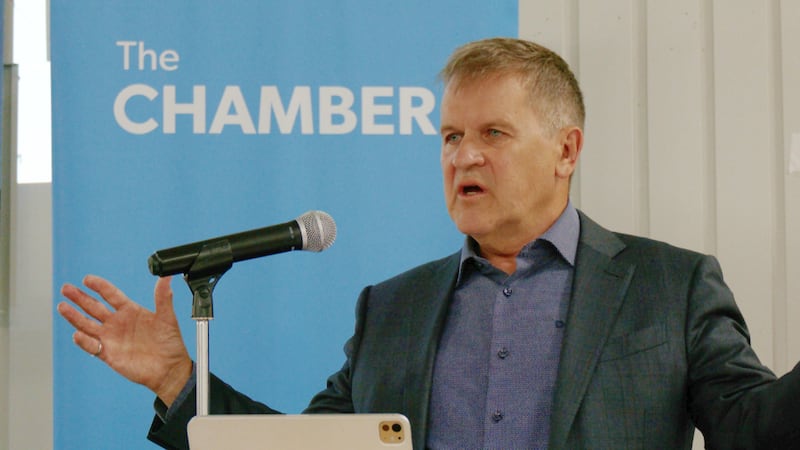
Nationally, volunteer numbers have dropped significantly and you could be missing out on something that does yourself some good and improves your health. Gemma Dunn, executive director of the Edmonton Chamber of Voluntary Organizations, joined CTV Your Morning Edmonton’s Kent Morrison on the state of volunteerism in the city and how it’s evolved. This transcript has been edited for length and clarity. Kent Morrison: What’s the state of volunteerism in Edmonton right now? Gemma Dunn: We’re seeing a decline in volunteerism, especially in formal volunteerism. That’s what we call people who volunteer inside of organizational structures. They may show up every Tuesday and Thursday from 9 p.m. until 3 p.m., so that’s like a formal volunteer role. We’re seeing a significant drop with two-thirds of organizations in a recent human service survey that we’ve just completed, citing that they are really worried about volunteerism. Kent: Do we know why things are dropping off so significantly? Gemma: There’s a number of reasons. There’s demographic changes. Younger people are wanting to give their time very differently than older previous generations. With the COVID-19 pandemic, what we saw is that people retreated into their houses and found other things to do, so some of the boomers who were giving their time in volunteerism were now doing other things. They were looking after grandchildren or people who now have to look after parents as well as children, so time has changed in terms of how you give the ability to give time in multiple different ways. Kent: You talk about younger generations giving in a different way. Can you talk about what that looks like and how things are evolving? Gemma: What we’re seeing with younger generations is that they’re really interested in causes, not in organizations per se. They’re not really interested in giving their time to organization “X” for a number of years, what they’re interested in doing is giving time to this cause and getting in and getting out. And they may want to volunteer virtually, so they might want to give their skills through IT skills that they have, or AI skills that they have. They may not actually even want to show up in community in the ways that their parents and their grandparents have done. Kent: What does that gap mean? How does that affect things and how do organizations like yours have to change? Gemma: I think that gap really is quite significant because a lot of our programs, our social service programs, our sports programs, our schools, rely on community engagement. They rely on volunteers giving their time to hold up those programs. To build the Edmonton that we want to live in, the festivals that we have, the community that is really strong, we need volunteers to support that work. Organizations are really having to shift their mindset around how they recruit volunteers and what volunteer roles look like. For example, Edmonton Food Bank has introduced a very innovative idea of no scheduling for volunteers. Volunteers just show up and then they put them to work. Sometimes they have lots of volunteers and sometimes they don’t have very many volunteers, but it sort of evens itself out. So people are having different ways of being able to really engage in volunteerism. Kent: There’s the benefit for your community, but also for yourself. There are benefits to your individual when you help someone else. Gemma: Absolutely, it really gives you a sense of connection and belonging to a place. If you didn’t grow up in Edmonton or Canada, it gives you a space to really build your community and make you feel like you belong somewhere. It also really supports good mental health. We’ve been told many times that we’re now in a mental health pandemic right now, so having these ways to give back to the community, really supports you in growing your own sense of being and your sense of belonging. It also builds skills so for people who are looking to change their careers, it helps you build those skills.