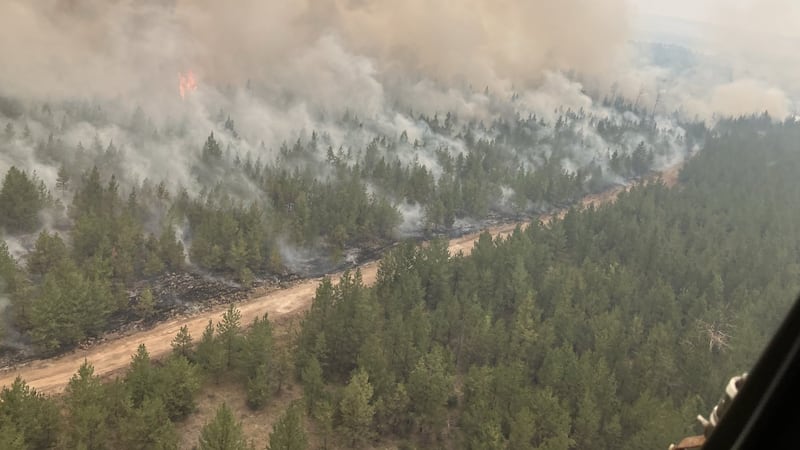
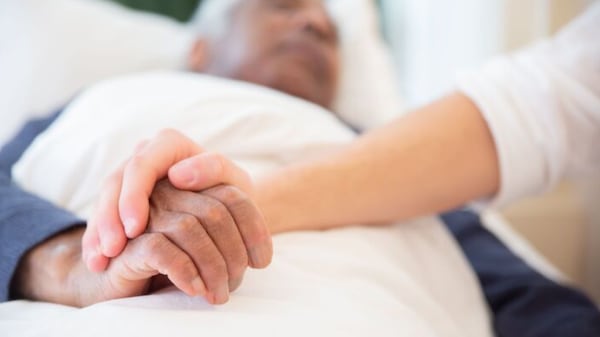
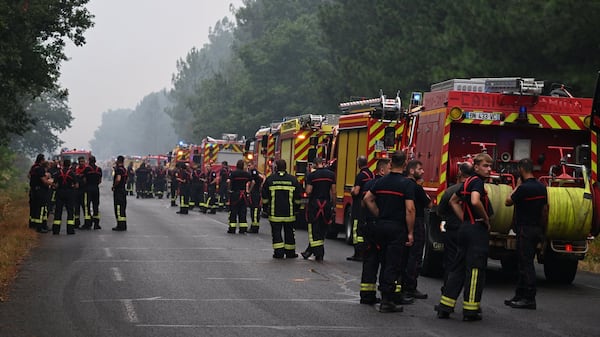
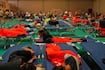
Hundreds of people in Manitoba are being evacuated, as wildfires and smoke continue to impact many residents living in northern communities. Kathy Ross is from Pimicikamak Cree Nation in Cross Lake, Manitoba. She has asthma and COPD or Chronic Obstructive Pulmonary Disease, which makes it hard for her to breathe. She has three puffers that she always carries around with her. She says she’s been heavily relying on it for the last two months due to the wildfires. “It hasn’t been a pleasant experience,” she said on Wednesday. “When I am around smoke, it makes my lungs work harder, and then I end up in either the hospital or a nursing station.” There are three wildfires surrounding the community of Cross Lake, one to the north, one to the south and the largest to the west, which according to the province’s fire map, sits at well over 84,000 hectares. She says the smoke is very bad and has even been seeping through her windows and coming into her house. “It’s concerning,” she said. “I went into panic mode because of my lungs, and I instinctively ran out, and then I got into a coughing fit and my puffers couldn’t even help.” Ross was put on a medical evacuation flight to Winnipeg and arrived in the city on Sunday. Pimicikamak Cree Nation Chief David Monias is doing everything he can to get the most vulnerable out of the community. “Many in our community live with respiratory conditions that make it difficult to breathe even under normal conditions,” he said. “This wildfire smoke has made things worse.” There are still thousands of people stranded in dozens of communities throughout the north. Northern Manitoba First Nation beginning medical evacuations Nisichawayasihk Cree Nation, which is just northwest of Cross Lake, announced late Tuesday it has approved an evacuation order for “priority one” members, as a wildfire continues to burn near Thompson. The First Nation said priority one members include people who have been diagnosed with terminal illnesses, children with complex needs, people with heart problems, those living with asthma and COPD, and people who require frequent hospitalization and nursing station visits. “The smoke has been really thick,” says Jessie Horodecki, the Executive Director of the Nisichawayasihk Personal Care Home. “It’s so thick that you can taste it on your tongue.” The 24 residents in the care home have been evacuated to Winnipeg, but Horodecki says the situation was very hard on the residents. “We have some residents that were literally vomiting because their lungs couldn’t handle the smoke that was in the building,” she said. “We have three air scrubbers, and I am super thankful for them, but they can only do so much.” “(The smoke) is an imminent risk, not to just our residents, but to all Priority 1s in our community.” Smoke provides ‘an ever-present threat’: University of Manitoba professor Wildfire smoke continues to blanket much of Northern northern Manitoba, which is producing poor air quality advisories for many communities. Chris Pascoe, who is an associate professor at the University of Manitoba, who specializes in chronic respiratory diseases, says breathing in the toxic wildfire smoke can have long-term effects. “You’re more likely to develop asthma, especially if it’s kids, or pregnant people who are being exposed to this,” he says. There are ways to protect yourself from the smoke, including trying to minimize exposure as much as possible. “Be in places that are well-ventilated, have Hepa filters in place,” he said. “If you do need to be outside, or exposure is unavoidable, then N95 masks are another good tool you can have. It’s the same ones we had during the pandemic.” Pascoe says putting in home purifiers will also help prevent breathing in the toxic smoke. As for Ross, she is happy to be away from the smoke, but is sad not to be home. “The smoke did affect me, and I am trying to make the best of the situation here,” she said. Ross is one of the around 6,600 Manitobans currently out of their homes – all hoping the situation gets better sooner rather than later.