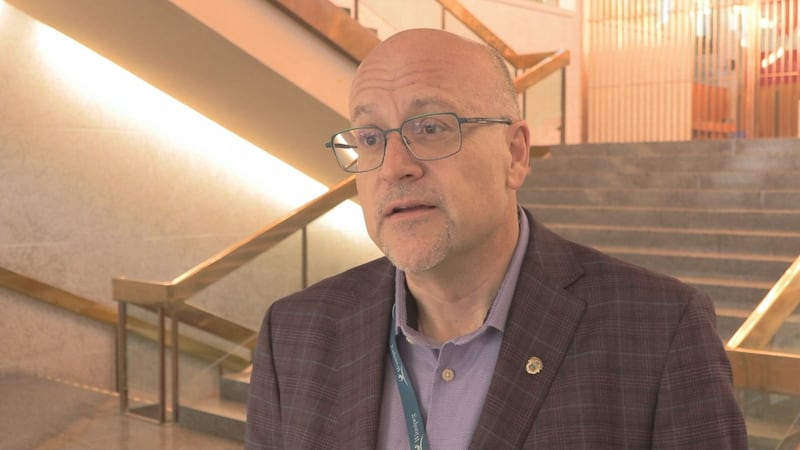
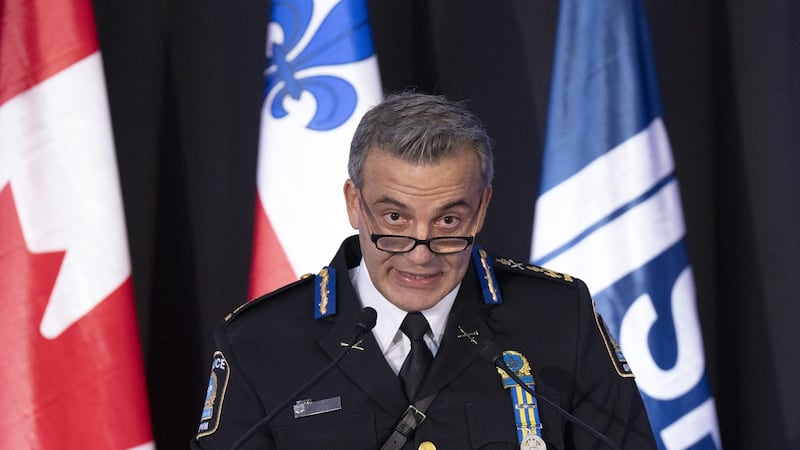
A former Canadian ambassador to the United Nations has decried the Carney government’s decision to shut down international peacekeeping operations, which he says is vital to Canada’s global credibility. In a Wednesday interview with CTV Your Morning, Bob Rae described the peacekeeping missions as an “integral part of our national security strategy.” “The security challenge for Canada is that it’s not based on what ... conflicts we’re in today,” said Rae, who also served as the NDP premier of Ontario in the early 1990s. “It’s based on what are the conflicts we’re likely to be in, in the future and where the world needs the presence of countries like Canada that have a keen sense of how we can play a stronger role.” His comments come almost a month after the government announced it will wind down or reduce operations in Kosovo, Cyprus, South Sudan, Democratic Republic of Congo and Egypt. According to a July 17 press release, 50 to 60 Canadian Armed Forces members currently assigned to those missions will be “reintegrated into higher-priority roles” either domestically or abroad. The government described the move as a “better” alignment with current defence priorities including defending Canada, supporting the Euro-Atlantic region and contributing to Indo-Pacific stability. “This approach focuses personnel and capabilities where they have the greatest impact, while sustaining commitments, maintaining readiness for emerging challenges, and enhancing operational effectiveness with allies and partners,” the press release reads. In an Aug. 7 article published in Policy magazine, he opined that the federal approach was an attempt to avoid “defending” a long-held military component whose utility has been strongly debated for years. “The Carney government cannot let this stand as the last whimper from [a] country whose only Nobel Peace Prize was awarded for the invention of UN peacekeeping,” Rae wrote. He called the announcement “ill-conceived” and noted that while other NATO allies still provide personnel to UN operations, the U.S. does not. “It will not be lost on anyone that these missions are in Africa and the Middle East,” he wrote. “... For Canada to appear indifferent to them will have reputational consequences.”