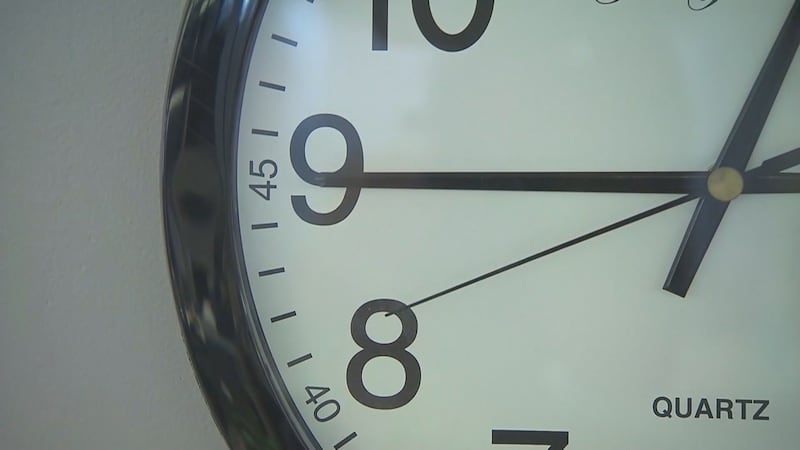
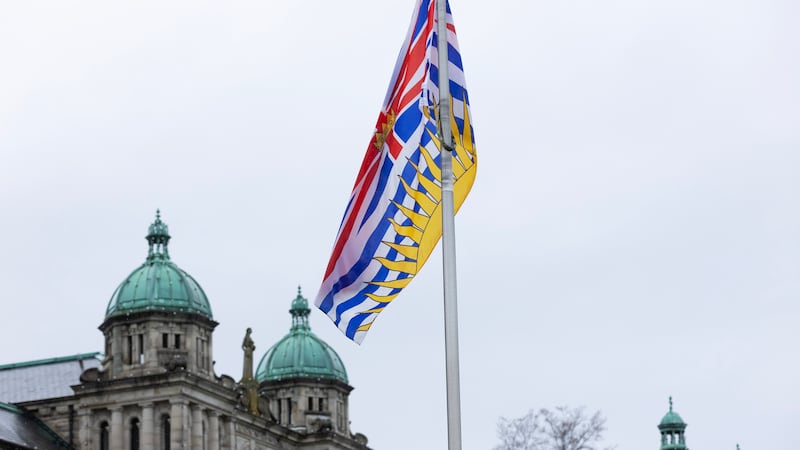
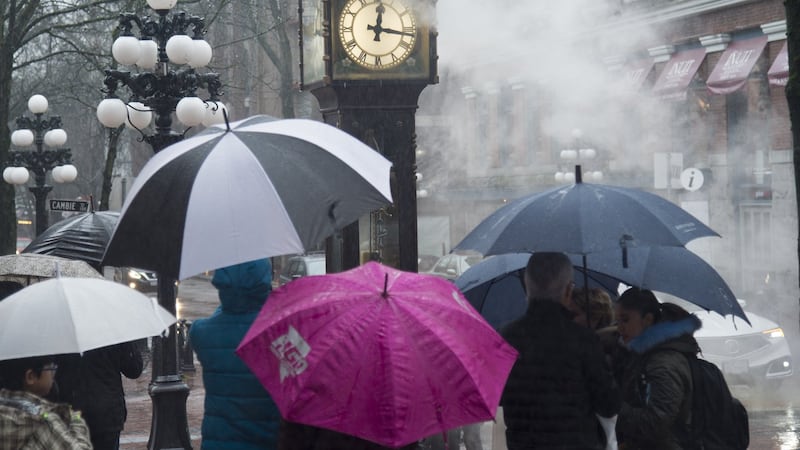
Most of the country’s clocks will spring forward this weekend as part of the biannual time change, and for British Columbians it will be the last. Some experts believe the decision to join Saskatchewan in abolishing the time change could be the hand that moves the dial for other provinces, especially Alberta. “We’re going to have to make a decision, because both our neighbours are staying on a permanent time year-round, and we probably should, too,” said Michael Antle, a psychology professor at the University of Calgary. Alberta held a referendum on the time change back in 2021, when a very small majority, 50.2 per cent, voted to keep clocks moving twice a year. The Alberta government said earlier this week that it will take B.C.’s move into consideration and evaluate if something similar would serve in the best interest of the province. “I think a lot of people have been expressing their displeasure with the time change,” Antle said. “Governments everywhere, not just Alberta, are hearing that message.” Yukon has already moved to permanent daylight time. Ontario has said it will only move away from the time-honoured tradition if Quebec and New York abandon time change, too. Those who live in Saskatchewan, a province that stopped practising time changes decades ago, want to see other provinces do the same. “That makes sense to me. I don’t know why they haven’t done that already,” said Saskatoon resident Jeremy Goertzen, whose sister lives in B.C. Trying to schedule calls with her can be “annoying,” he said, since depending on the time of year B.C. can be one or two hours behind Saskatchewan. Saskatoon watch repairman Brent Schreiner is excited for B.C. to stick to one permanent time. He does business across Western Canada. Once he repairs a watch, he sets the time to the client’s time zone. “I just think getting things more in sync can benefit everything,” Schreiner said. After Sunday, there will always be a one-hour time difference between B.C. and Saskatchewan. From November to March, B.C.’s time will fall in line with Alberta. The rest of the year, its clocks will match the U.S. states to the south. Some parts of B.C. that observe mountain standard time year-round, or switch between mountain standard time and mountain daylight time, will continue to do so.