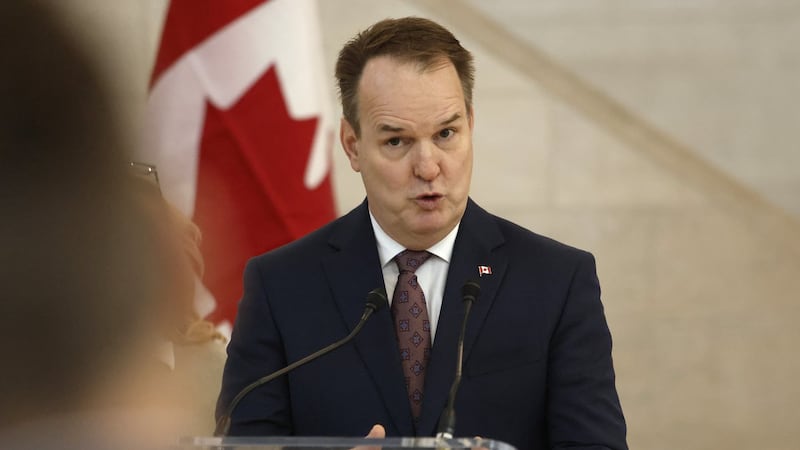
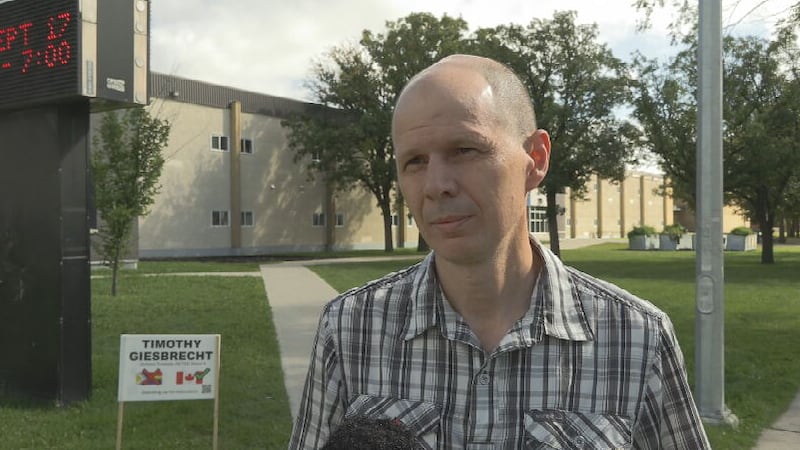
The City of Lethbridge will not renew its EMS contract with the province when it expires on Sept. 30, leaving the future of local ambulance service uncertain, rising costs unsustainable and putting 70 jobs at risk. “The continual raise in costs is something that is not sustainable and so we are staying with what we decided back in May to move forward and that we will not be renewing the contract as it currently is,” said Lethbridge mayor Blaine Hyggen. The decision remains after Lethbridge city council voted in May to not accept new contract conditions with Alberta’s Emergency Health Services. EHS told municipalities with integrated fire-EMS services they would need to cover any additional costs above the EHS benchmark. If not, the province would move ahead with replacing the service with a contracted company. In June, the province announced it would pause its approach to EMS contracts with the seven integrated fire and EMS services across the province to allow for more discussions. The city then met with Adriana LaGrange, Alberta’s minister of hospital and surgical health services, who said the government hasn’t changed its position on the proposed EMS funding model. Hyggen said LaGrange’s unchanged position has led to the city not extending its contract past the Sept. 30 expiration date. Once the contract expires, a six-month transition period will begin to allow the province to potentially bring in an outside, contracted company to operate ambulance services as early as March 31, 2027. During that time, Lethbridge Fire and Emergency Services (LFES) will continue to operate as is. Ambulances will still be available, but the service be provided province instead of the city, Hyggen said. If the province opens a request for proposal process (RFP), the City of Lethbridge can place a bid to continue to operate EMS, but that’s not guaranteed. “We look forward to if and when that is available and they may decide that they are just going to do it and not put it out, we don’t know that. But currently there is no RFP out for the service,” Hyggen said. Cost to operate EMS Lethbridge contributes $3.5 million annually to maintain the integrated model. If the city agreed to cover additional costs above the benchmark rate, the municipality would have to pay an increase of $3.7 million in 2027, would result in a tax increase of 1.8 per cent. That would grow to $4.2 million in 2028 and $4.6 million in 2029. Hyggen says that increase is not sustainable for the city to move forward with and healthcare remains a provincial responsibility. However, moving to a fire-only model will still result in a tax increase of 0.5 per cent in 2027, followed by a 0.6 per cent increase in 2028 and a 0.8 per cent increase in 2029. It will also cost the city $600,000 in 2027 to transition Lethbridge Fire and Emergency Services from fire-EMS to a fire-only model. The fire department would also result in the loss of 70 EMS and support staff. “We are deeply disappointed that Lethbridge city council is standing by a decision that places the future of integrated fire-based EMS in our community at risk,” said Brent Nunweiler, president of the Lethbridge Fire Fighters IAFF Local 237. “Alberta’s firefighters and firefighter-paramedics have been actively engaged with the Government of Alberta, and we do not share the city’s characterization of the provincial review or its significance.” Third-party review The province will now conduct a third-party review of the EHS benchmark. It has asked Lethbridge to participate in the process. But still, the city says the review isn’t expected to be completed until the end of September and “at this time, it would be fiscally irresponsible of council to change their direction and agree to unknown costs.” Nunweiler disagrees. “This review provides a genuine opportunity to examine the true cost and full value of integrated Fire/EMS, including the contribution of highly trained firefighter-paramedics who can provide advanced medical care from the first moments of an emergency,” Nunweiler said. “Lethbridge city council should allow that work to be completed before making a final decision that could fundamentally change emergency response in the community.”