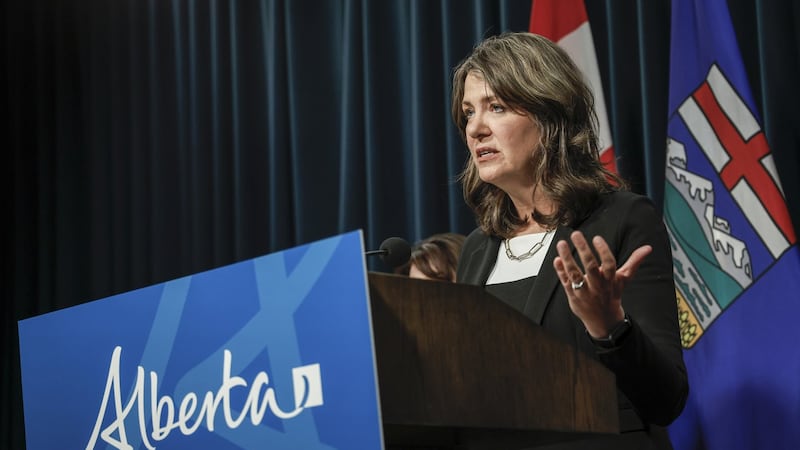
Property owners in Lethbridge will be paying nearly 13 per cent more to the provincial government when it comes to taxes this year. The province is increasing its education property tax in Lethbridge to 12.9 per cent to help cover the cost of additional education spending. “We are currently estimating that for the single-family residential property in Lethbridge assessed at approximately $389,000, this change represents about a $117 increase in 2026,” said Darrell Mathews, chief financial officer with the City of Lethbridge. The changes will see an increase to education property tax (EPT) rates to help fund school operating costs. Effective this year, residential and farmland EPT rates will rise to $2.84 per $1,000 of equalized assessment, while non-residential rates will increase to $4.17 per $1,000. The increase comes as the province stares down a $9.4-billion deficit in this year’s budget. “That is just a shocking property tax increase that is going to be thrown onto the backs of homeowners and property taxpayers here in Lethbridge ... it’s gross, actually,” said Kris Sims, Alberta director with the Canadian Taxpayers Federation. All municipalities in Alberta will see an increase. The City of Medicine Hat tells CTV News its residents will see an 8.7 per cent increase on their property tax notices this year. The city says that represents an additional $83 per year in property taxes for a home of $359,700. “This is a very hidden tax increase on property payers,” said Sims. “Most people, when they get their property tax bill, they only get angry at city hall. A lot of people don’t even know that there is such a thing as the education property tax, much less that they’re hiking it this high.” Sims says the percentage can decrease if the province decides to move money around or oil prices rise. “They could’ve gone through the budget with a fine-tooth comb, reduced the size and cost of their own government,” said Sims. “They could’ve taken a page out of the Fraser Institute report and gone back to the size of government pre-2020. That would’ve saved them billions of dollars, and now they’re trying to put through this sneaky tax increase on property owners, blaming the cities for it, and people can’t afford it.” Lethbridge City Council received a verbal update from Mathews during Tuesday’s council meeting. “When you look at other mid-sized cities, say the City of Red Deer, they are also at a 13 per cent (increase),” said Mathews. “Calgary is a 20 per cent increase, and, of course, there’s cities like Chestermere that are at a 31 per cent increase year-over-year.” Mathews says council will have the opportunity to discuss adding information to assessment notices to clearly state the 12.9 per cent increase is directly tied to the province and not the city at Thursday’s community issues committee meeting.