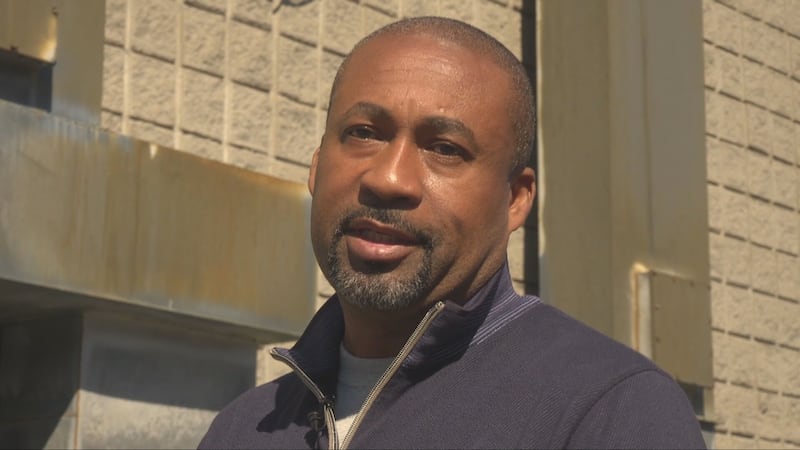
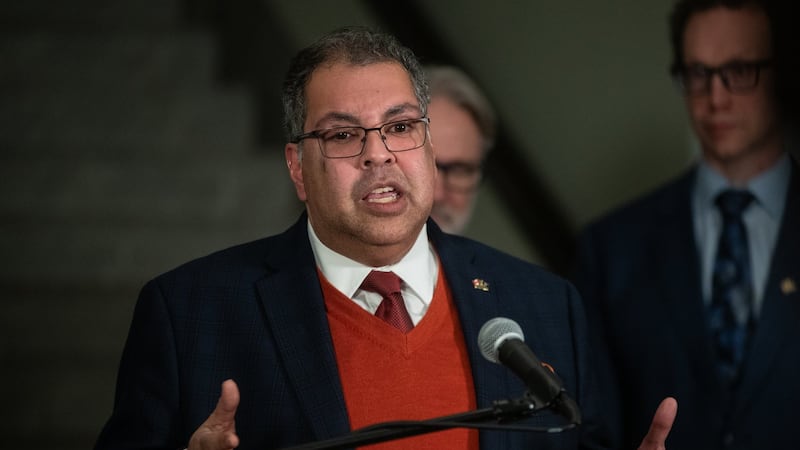
As the City of Lethbridge prepares for a competitive bidding process to retain its integrated fire-EMS model, city administration is proposing significant salary reductions for Lethbridge Fire and Emergency Services (LFES) members. Lethbridge city council recently voted not to accept new contract conditions with Alta Paramedic Health (APH), formerly Emergency Health Services Alberta, in hopes of continued negotiations, while giving the province the final decision to either carry on with the city’s integrated fire-EMS model or move to a contracted outside provider. Late last week, APH told CTV News it will not entertain negotiations with the city and will move directly to a request-for-proposal process after May 31. “As the contractor of this service, we cannot continue to get less from the province and absorb the rising operating costs. Changes need to be made to make this system viable,” said Mayor Blaine Hyggen. APH has indicated that the city’s EMS services are more costly than its benchmark, citing one of the main drivers as the difference in wages. In Lethbridge, firefighter/paramedics are cross-trained and paid a firefighter’s wage. The city says that means advanced care paramedics/firefighters are paid $125,456 per year, compared to the provincial paramedic rates of $106,835. Primary care paramedics are paid $125,456, compared to the provincial paramedic rate of $90,011. But the local firefighter’s union says the cost breakdown provided by the city on Wednesday can be misleading, as LFES wages have always been compared to other municipalities with integrated services and not the provincial paramedic rate. “There are provincial comparators that we use,” said Brent Nunweiler, Lethbridge Firefighters IAFF Local 237 president. “We’ve seen cities like St. Albert, Red Deer, Strathcona County; their councils approve unanimously to maintain the integrated service, and those are some of the services our wages have been compared to.” As a sustainable solution, the city has proposed to the IAFF union to cut salaries of LFES members, including its chief and deputy chiefs. “The IAFF union has refused our proposal for wage adjustments, and that would’ve helped us fall closer in line with the rest of the province,” said Hyggen. While the union rejected the first offer, Nunweiler says they are willing to negotiate. “We made an offer last Friday, and the ball is actually in the city’s court. We’ve been waiting for a reply from them on that,” said Nunweiler. “We’ve offered immediate wage reductions. We want to be a part of the solution, but we can’t be all of the solution. “I think it’s unfair to ask our members to be the entire solution, but we are willing to work with the city to be a part of that solution.” Nunweiler added that in December 2025, council voted unanimously to reduce LFES wages by up to 16 per cent during contract negotiations. He said an offer similar to that is on the table but wouldn’t elaborate on a total, as the offer is active. The city says the proposed wage cuts would help reduce projected tax subsidies to support the integrated service. However, it would not eliminate an increase to property taxes. The city says the work to find sustainable solutions comes as it prepares to place a bid during the request-for-proposal process.