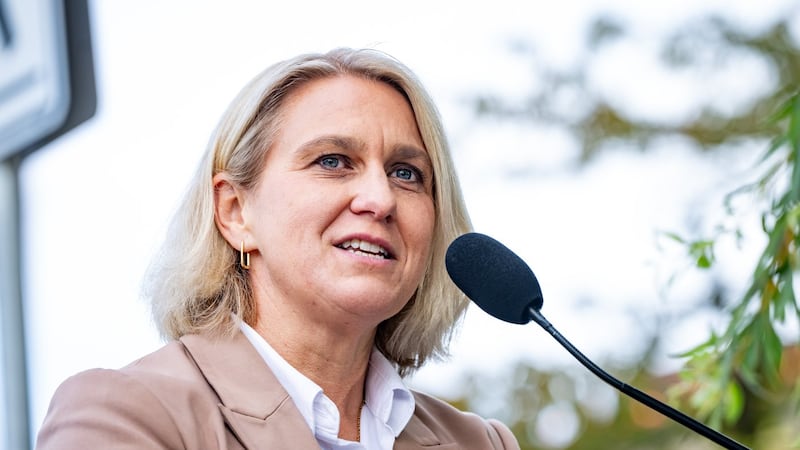
In a push to get more educators into Alberta classrooms, the province is introducing four new expedited teaching certificates. The programs will allow final-year bachelor of education students, internationally trained teachers, tradespeople and certain skilled workers to enter the workforce as they complete their final courses. The idea is to take pressure off of existing educators, as Alberta’s system saw an 80,000 student increase in just three years. “As classroom needs continue to grow, students need teachers with diverse skills and experience,” Minister of Education Demetrios Nicolaides told reporters on Friday. “These new certificates will fast-track qualified professionals into high-need classrooms, uphold strong standards and give school boards greater flexibility to support students locally.” The expedited certificates will look different depending on who is applying, though all involved will be required to complete teacher preparation training before entering the workforce and will be supervised by a designated leader. Classroom details Final-year bachelor of education students will be eligible to teach K-12 under a developmental teacher certificate. They’ll need to still complete their last year of school while working. Provincial figures say approximately 2,400 students graduate with that degree each year. For internationally-educated teachers who meet local requirements, a conditional teacher certificate will be available to teach K-12. They, too, will need to finish their degree or equivalent coursework while on the job. Roughly 800 out-of-province teachers are certified each year in Alberta. There are also unique rules for tradespeople and other skilled professionals. Those Albertans will be eligible to teach Grades 7-12 in their area of expertise after completing teacher preparation training — which includes a practicum — through an approved post-secondary institution. They may then apply for certification online. Once receiving the green light, candidates must still complete six additional teacher pedagogy courses over a three-year period. Applications to enter the expedited process open June 1, though as of now, no Alberta post-secondary school has agreed to offer the programs. Government officials say they’re confident there will be a buy-in, and expect certain certificates will be offered in time for the 2026 fall semester. Expanding pathways must involve ‘balancing act’: ATA The new teaching pathways come two months after the province pledged to hire 3,000 new teachers over three years as part of the 2026-27 budget. That promise came after a month-long teachers strike in 2025 that saw 51,000 educators walk off the job. In a Friday statement, Alberta Teachers Association President Jason Schilling said the province needs more teachers to address staffing pressures, but expanding pathways into the profession must involve a ‘careful balancing act’ to make sure teachers are properly equipped for the job. “It is essential that we have the most qualified teachers who have the skills, knowledge and preparation needed to be successful in today’s increasingly complex classrooms,” Schilling wrote. “Teachers are professionals and must remain so.” He added it’s possible to recruit more teachers, but retaining them will be the hard part unless classroom conditions improve. “The association will be watching closely to ensure implementation maintains high standards and truly supports both educators and students,” Schilling said. Quantity over quality? The ATA isn’t the only group worried about teachers entering classrooms before they’re ready. Some parents say the province is rushing underprepared educators into a complex situation, and that the sped-up process will result in fewer confident, competent first year educators. “As an organization that supports public education, we have concerns that this would be watering down the profession,” Wing Li from Support Our Students Alberta told CTV News. “The active part of teaching is relational, and that comes with experience and with rigourous training.” Alberta’s education critic wouldn’t commit to keeping the program should the Alberta NDP win the next provincial election. “What I heard from the minister did not indicate to me that these programs are designed to produce the best quality of educators,” MLA Amanda Chapman said. “I don’t even know that we have a shortage of teachers, so much that we have teachers who aren’t willing to work under this government.” Nicolaides noted no one will be forced into the program. “I am confident that the total 10 courses that they will be required to complete before being issued a permanent certificate will set them up for success,” he said. Government officials couldn’t say Friday how many teaching positions are needed — or expected — to be filled as part of this pathway. “But we’re not certainly not relying on the these certificate pathways as a significant measure in meeting those targets,” Nicolaides said. All new teachers will be part of the current collective bargaining agreement. The education minister added there will be more to say on other teacher hiring initiatives in the coming weeks.