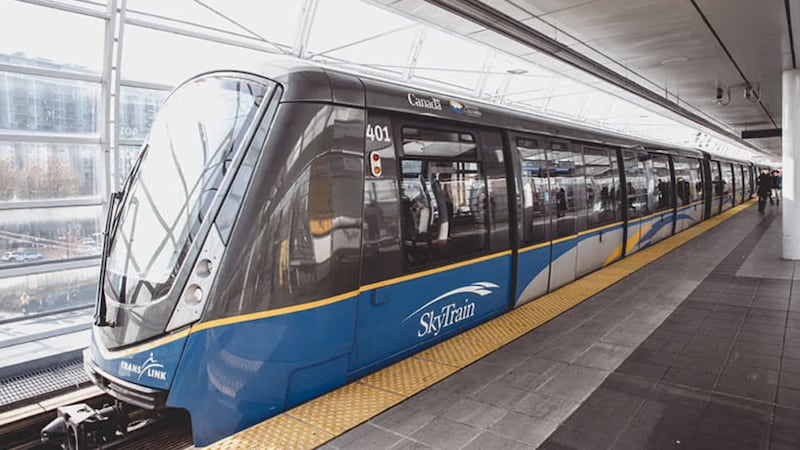
The first of two promised virtual sessions lies just ahead to tell Albertans all about a potential future for passenger rail in their province. The recently completed 30-year Passenger Rail Master Plan focuses mostly on the corridor between Edmonton and Calgary, envisioning a long-discussed high-speed link between the two cities and all-day, high-frequency commuter services connecting them to bedroom communities and their international airports. The 7 p.m. session July 23 will look at highlights that also include hourly or more frequent service to Banff from Calgary International Airport. Trains to further-afield communities like Crowsnest Pass, Lethbridge and Medicine Hat are identified as 60-year possibilities in the plan. Among others on the 60-year horizon are Fort McMurray, Grande Prairie, Camrose, Lloydminster, Jasper, Rocky Mountain House, Lacombe, Sylvan Lake, Wetaskiwin and Drumheller. The plan qualifies its mapping this way: “Maps are conceptual and do not show exact routing or station locations.” The government has earmarked $15 million over three years to start the plan rolling on first-phase critical projects, as it eyes reducing road traffic while preparing for continued population growth. The three-year spending aims to support: In all, over 500 kilometres of passenger rail corridors would result from the plan being realized in its current 30-year form. The plan suggests Alberta’s population, now at more than 5 million people, could more than double in 60 years. The Calgary-Edmonton corridor alone would be home to 8.1 million people or 86 per cent of the population. A centralized Crown agency led by the government would develop infrastructure, oversee daily operations and maintenance, develop a fare collection and booking system, and plan for expansion. The master plan represents an estimated $60 billion in spending in 2025 dollars to make its 30-year network a reality. The estimate covers trains, stations, tracks, land, maintenance and storage facilities, and governance. Visit alberta.ca/passenger-rail to register for the 90-minute online session on July 23. A second session will take place sometime in the fall. George Lee, Local Journalism Initiative Reporter, The Macleod Gazette