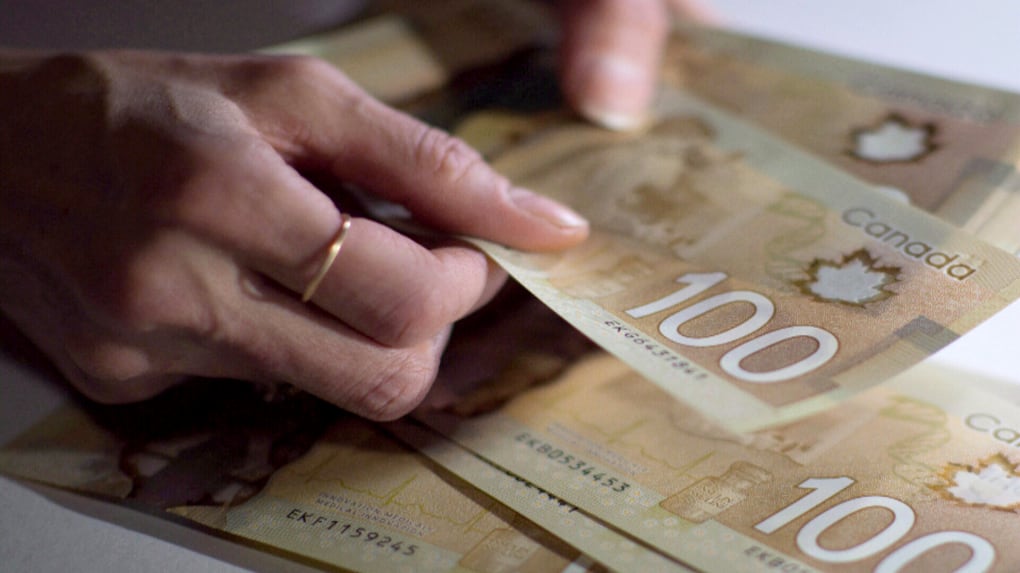
Albertans are heading into 2026 facing a mix of modest tax relief and new cost pressures, as several federally driven changes take effect across the country. The Canadian Taxpayers Federation says while Ottawa is delivering on a promised income tax cut, higher payroll deductions and other automatic tax increases are expected to offset much of that relief for many workers. “Let’s start with the good news,” said Kris Sims, the federation’s Alberta director. “Prime Minister Mark Carney is delivering on an election promise, and he is giving us a small income tax cut. ... Any tax cut is a good tax cut.” Cut offset by payroll increases Sims said the reduction to the lowest federal income tax rate is expected to save the average worker roughly $180 to $200 annually, depending on income. But she said those savings are likely to be cancelled out by higher payroll deductions, including mandatory Canada Pension Plan and Employment Insurance contributions. “Payroll taxes are also going up, and those payroll taxes … that’s going to cost us again just over $200,” Sims said. “So, unfortunately for the average Canadian worker and the average worker here in Alberta, that income tax cut combined with the payroll tax hike is going to be a wash for the new year.” Carbon tax changes raise new uncertainty Another major issue for 2026 is the impact of changes to federal carbon pricing, particularly for Alberta. “The good news is the consumer carbon tax is gone,” Sims said, noting fuel prices are currently lower than they were a year ago as a result. However, she said Ottawa is still moving ahead with a higher industrial carbon tax, which is scheduled to rise to $110 per tonne on Jan. 1, creating uncertainty about future costs for households. “We know consumers are going to wind up paying more. We just don’t know how much,” Sims said. “Up until Jan. 1, Albertans were paying a relatively low industrial carbon tax.” “Carney is bringing it on board with his backstop federally, all the way up, all of a sudden, to $110 a tonne,” Sims said. “If I were a betting lady, I think Albertans are going to see more of a sharp increase than in other parts of Canada.” Alcohol escalator tax adds to costs Alcohol prices are also expected to rise again as the federal alcohol escalator tax increases automatically with inflation. “On average, it’s going to add a few cents here and there per case of beer or bottle of wine or bottle of spirits,” Sims said. She said the increase is expected to cost Canadian consumers “around $40 million extra” in the coming year. Sims criticized the escalator tax for rising without a parliamentary vote. “It’s an automatic tax hike. It’s super undemocratic,” she said. Sims said taxes already account for a significant share of alcohol prices. “Around half the cost of alcohol is already taxes,” she said, calling the increase unfair “out of principle.”