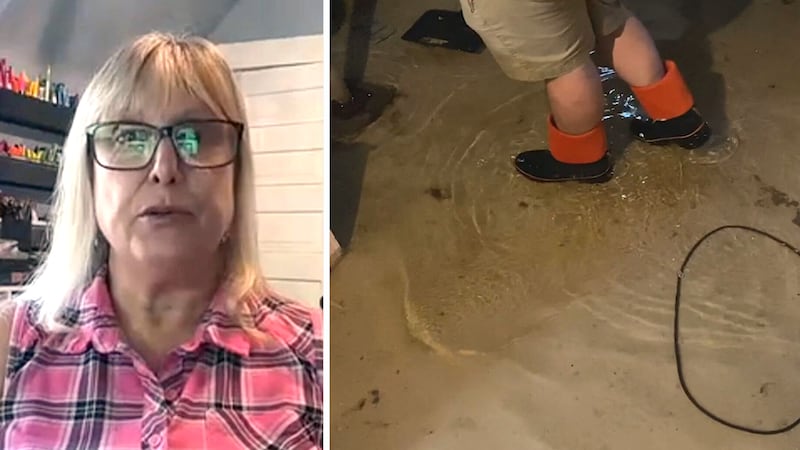
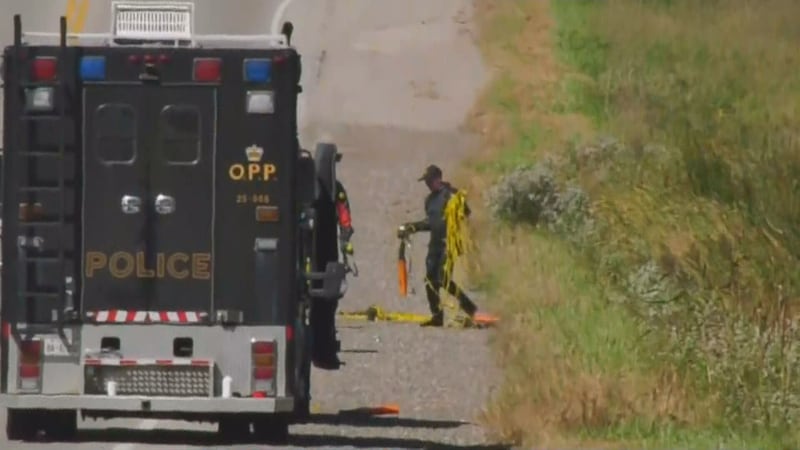
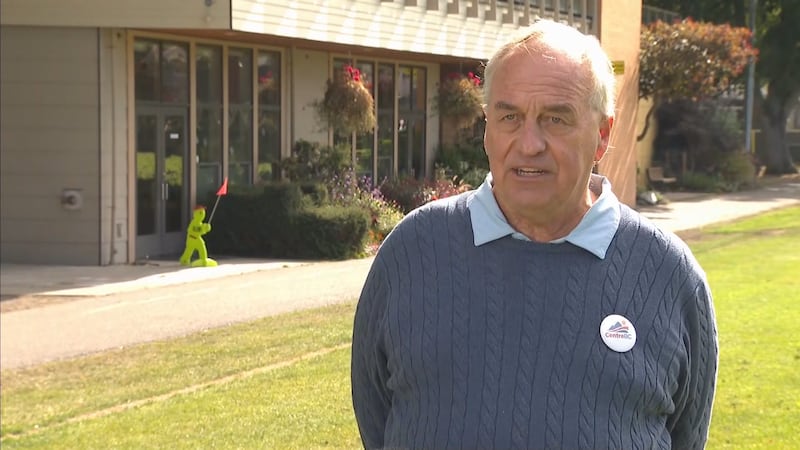
A cellphone is a lifeline for staying connected with family and friends, and it’s also vital in emergencies. But phones only work as well as the service allows. Nova Scotians know all too well that you don’t have to travel far to be without service. For some, it’s their own communities. “I wouldn’t get through if it wasn’t for Wi-Fi here,” said Brian Meyers, a Chelsea, N.S, resident. “Nobody in this area would. If you don’t have Wi-Fi, you’re probably not getting a call out.” Meyers was driving home from work on the morning of July 9 when he encountered an armed man walking along the road. The encounter was with the suspect of an emergency alert the night before, when police initially warned people to lock their doors and not pick up hitchhikers. After swerving around the man, Meyers tried to call for help. “I had to drive at least two minutes down the road before my 911 call would go through,” he said. He’s not the only one. Coverage concerns were top of mind for some local mayors this week at Premier Tim Houston’s tour stop in Bridgewater. “If you draw a circle that’s, you know, one minute outside of Bridgewater in every direction, there’s no cellular coverage,” said the town’s mayor David Mitchell. Cell coverage is also spotty near where the Mooseland Road wildfire – which is now deemed under control – broke out. According to Crown corporation Build Nova Scotia’s website, its Cellular for Nova Scotia program aims to expand coverage to more than 20,000 “unserved civic addresses” and 1,010 kilometres of “primary roads.” Neither the public works minister nor anyone from Build Nova Scotia were made available for an interview on Thursday. As part of that provincial program, a Rogers spokesperson tells CTV News 17 towers are in service, and 10 more are coming online by the end of 2026. The company also says 11 additional sites are coming into service this year, including improved coverage at the South Shore Regional Hospital. “In areas outside of traditional cellular coverage, Rogers Satellite is available,” a spokesperson says. “With Rogers Satellite, the first of its kind satellite-to-mobile service in Canada, Nova Scotians can use text-to-911 services as well as satellite-ready apps including WhatsApp, Messenger, Google Maps, X and AccuWeather in areas outside of traditional cellular coverage.” Eastlink says it spent more than $500 million on its mobile network over the past decade. “This includes broadening coverage and strengthening service in many areas of our expansive Nova Scotia network,” the company said in a statement. Bell, the parent company of CTV News, says more than $20 million is planned in 2026 for “approximately 50 projects within the Halifax Regional Municipality and a 150-kilometre radius, with a focus on capacity upgrades and site densification.” “While Bell continues to invest in its wireless network, expanding coverage in some rural and remote areas can be challenging through private investment alone,” a spokesperson writes. “This is why partnerships with governments and organizations such as Build Nova Scotia are critical to helping close remaining coverage gaps.” For people without service, connectivity can’t come soon enough. For more Nova Scotia news, visit our dedicated provincial page