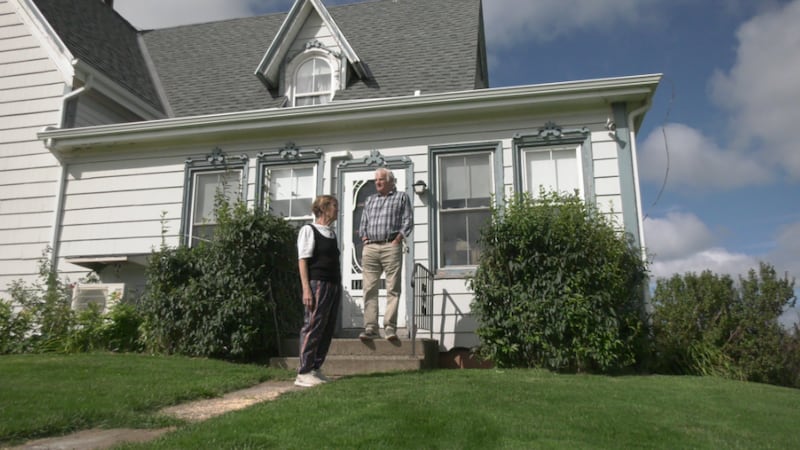
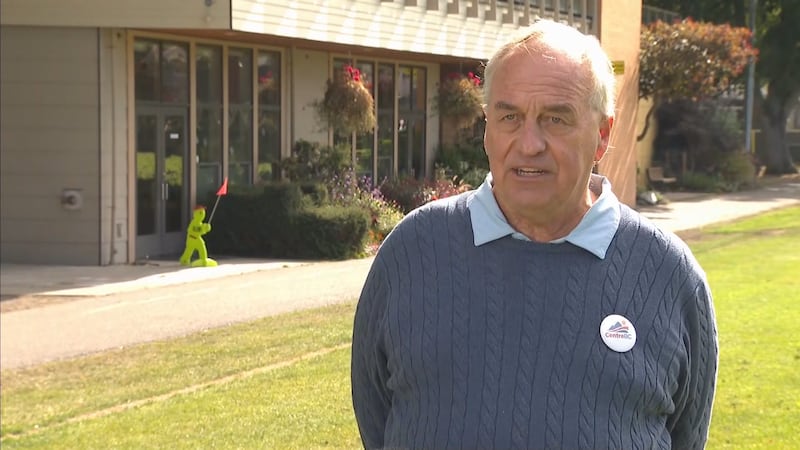
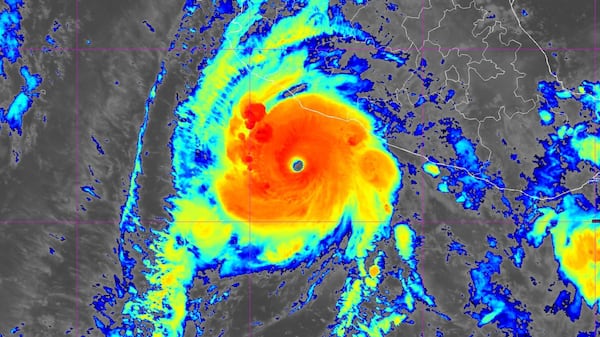
There are downed trees all over the Louisbourg, N.S., area – leftover from post-tropical storm Fiona nearly four years ago. Carter Stevens worries the deadwood on his property in Big Lorraine, N.S., is a fire hazard. “Nervous, scared, sort of thing,” said Stevens. “Certainly, we would like to see some of it cleared up. The minimum that I think should be done is a 100-metre clearance on each side of the road.” Corrine Cash, an associate professor of planning and community climate adaptation at Mount Allison University, has been studying the after-effects of Fiona on Cape Breton Island for years. “If you flew over that area, it just looks like matchsticks,” she said. Cash recently met with dozens of people who live in a wide area stretching from Louisbourg to Gabarus, N.S. After last year’s dry summer and drought conditions, she wants the province to come up with some sort of fire management plan for those living there. “Because if it goes up in flames, it’s seriously a risk for the safety of people,” Cash said. “It’s a public safety issue.” In a statement to CTV Atlantic, Nova Scotia’s Department of Natural Resources said cleanup programs have helped address more than 250 hectares of windblown and damaged private lands in the Gabarus and Port Morien, N.S., area. While it’s understandable residents may be concerned, the department says much of the fine fuel from four years ago has broken down naturally – reducing the fire risk. Stevens says there are not many ways out of his community if something were to happen. “We’re at a loss,” he said. “We keep our fingers crossed that it’s not going to happen.” The Department of Natural Reources added the current Fire Weather Index for the Cape Breton region, and Nova Scotia in general, is low – although conditions can change quickly. For more Nova Scotia news, visit our dedicated provincial page