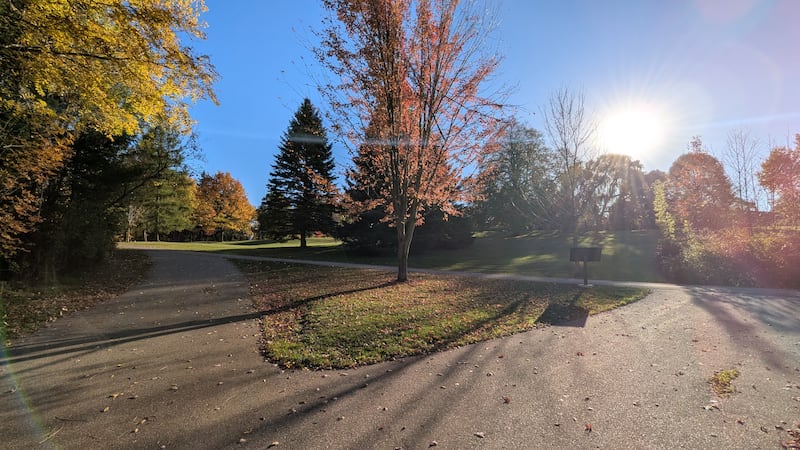
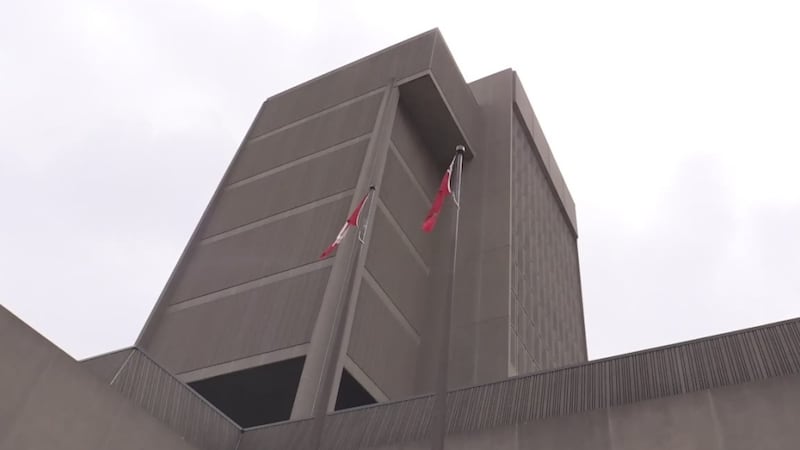
The case of a Cape Breton man who is challenging the province’s 2025 woods ban during wildfire season is being heard in Nova Scotia Supreme Court this week. The three-day hearing started Tuesday at the Halifax courthouse. The Nova Scotia government banned travelling in the woods on Aug. 5, 2025, to prevent wildfires as the province faced a long stretch of hot, dry weather. Hiking, camping, fishing and the use of vehicles in the woods was also banned and trail systems through the woods were closed. Jeff Evely was fined for purposely entering the woods a few days after the ban came into effect. He believes the provincewide woods ban and threat of fines and jailtime was heavy-handed. “We live under the rule of law, so that means the government has to follow the law, too. And in this case, it is my opinion that they breached our Charter rights,” said Evely at the courthouse on Tuesday. His lawyers are arguing Nova Scotia’s woods ban was unreasonable, unconstitutional, and violated Evely’s right to liberty and security, and the rights of Nova Scotians in general. Evely is supported by the Canadian Constitution Foundation – which calls itself a “charity dedicated to defending constitutional rights and freedoms” – in his court fight. Both sides say it isn’t about the past as much as the future. “That the proclamation would be determined to be too vague, overbroad, invalid,” said Evely. “And that in the future, the government will more carefully consider people’s basic rights before issuing such proclamations.” Peter MacIsaac, who worked nearly 30 years in the woods with the Department of Natural Resources, was at court Tuesday to support Evely. He believes the blanket ban was a knee-jerk reaction by government, and not one based on science. “There’s no recorded data of somebody walking in the woods or through the act of fishing as setting a forest fire in the province of Nova Scotia,” said MacIsaac. The Justice Centre for Constitutional Freedoms is also keeping a close eye on the case. “There are serious legal and constitutional issues with the decision of Nova Scotia to completely ban its citizens from being in more than 75 percent of the Province, ostensibly to protect the woods,” said constitutional lawyer Marty Moore in a news release from the centre. “Banning people from hiking in the woods despite posing zero fire risk, while expressly permitting heavy industrial activities with significant fire risks to continue, demonstrates the lack of rationality and unconstitutional arbitrariness of Nova Scotia’s decision to ban the public from the woods.” Evely entered woods to protest ban Evely, who lives in the Sydney, N.S., area, suffers from post-traumatic stress disorder following several combat tours with the Canadian Armed Forces. He says daily hikes through the woods help him manage and control his PTSD symptoms and the ban amplified them. “It was very anxiety-promoting,” said Evely outside the courtroom Tuesday. The fine for violating the ban was $25,000 – but that didn’t stop him from entering the woods in protest. At the time, Evely said he visited his local Department of Natural Resources office and told officials he was going for a walk in the woods in an act of “civil disobedience.” DNR staff warned him he would be fined and followed him as he ventured into the woods behind the provincial building before issuing him a ticket for a fine of $28,872.50. Evely posted a video of conservation officers giving him the ticket on social media. Nova Scotia had lifted the woods ban for most of the province by Sept. 18, following an active wildfire season that saw several fires, including one in West Dalhousie that burned out of control for weeks and destroyed about 20 homes. No witnesses were called Tuesday; only legal arguments were made by the lawyer representing Evely and the Canadian Constitution Foundation. The province’s legal team is expected to make their arguments Wednesday morning. The hearing is expected to wrap up on Thursday. With files from CTV National News’ Judy Trinh For more Nova Scotia news, visit our dedicated provincial page