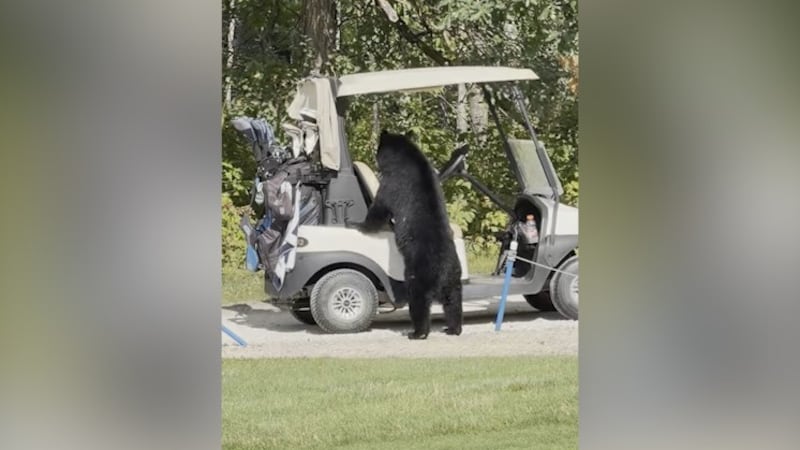
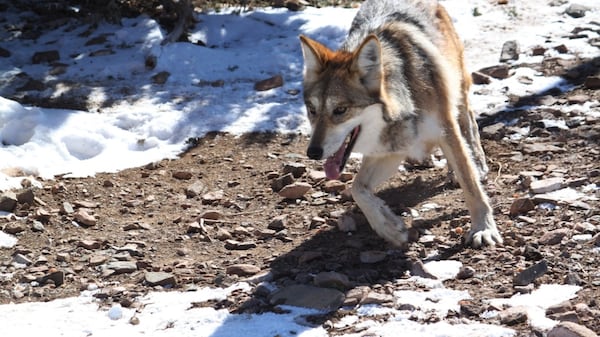
The number of active wildfires in New Brunswick has increased to 36 Saturday. As of 5:30 p.m., the province says 9 of the 36 fires are being patrolled, 2 are under control, 8 are contained, 10 are being monitored, and the following 7 are out of control: No structures have been lost and there have been no serious injuries, though about seven firefighters have been treated for heat exhaustion. Oldfield Road fire As of 3:15 p.m., the Oldfield Road fire in the Miramichi area has grown to 1,402 hectares. The fire first started on Aug. 6. Wildfire status When wildfires burn the following terms are used to describe their status: Evacuations The 271 fire has prompted an evacuation advisory for people in Lavillette. Residents are advised to review their evacuation plans and make sure their emergency preparedness kits are ready. The kit should include necessities for at least 72 hours, such as: “Wildfires can move quickly, and not everyone may be able to get information or leave safely on their own. During an evacuation, take a moment to check on those around you,” reads a news release from the government. “Lend a hand where you can, and have your own plan ready to go.” Alert system The City of Miramichi is asking residents to register for Voyent Alerts to stay informed during the wildfire. Voyent Alert is a “community communication and notification system designed to provide Miramichi residents with timely, location-based alerts for both critical emergencies and everyday updates,” according to the website. Residents can register online. Advisory vs alert The New Brunswick Emergency Measures Organization wants to make sure residents understand the difference between two different terms – evacuation advisory and evacuation alert. “Evacuation advisory - Be ready to leave on short notice. Pack essentials (ID, medication, pets, emergency kit) and be prepared to go quickly if conditions change,” reads a post on social media from the organization. “Evacuation alert - Leave immediately. This means the wildfire poses an imminent risk. Follow the instructions in the Alert Ready notification and go to the designated safe location. Staying informed helps you act quickly and safely.” Water conservation The City of Miramichi is urging residents to conserve water by: Air Quality Environment Canada has issued an air quality statement for the Miramichi area as smoke from the wildfire reduces local air quality. https://weather.gc.ca/ Air quality issues can cause eye or throat irritation and shortness of breath. The city says to contact a physician or Tele-Care 811 is symptoms worsen and to call 911 if you are in severe distress. Vulnerable groups include: Wildlife The province is warning residents that the fires are pushing wildlife into unfamiliar areas. “For your own protection, do not approach or feed wild animals. Drive cautiously near fire zones to avoid collisions, especially with moose, deer, and bears,” reads a social media post by the province. If large or dangerous wildlife is spotted near homes or roads the province asks residents to call DNR at 1-833-301-0334. Woods and fire bans in effect A provincewide burn ban is in effect and all Crown lands are closed. Residents are not allowed to hike, camp, fish or use vehicles in the woods at this time, and all trail systems through the woods are off-limits. Camping is only allowed in official campgrounds, but the province is asking people to reconsider their camping plans until the forest fire risk decreases. Private property owners are being encouraged to follow the same restrictions. Forestry operations such as harvesting, forwarding, skidding, scarification, chipping and all pre-commercial thinning and cleaning, are also prohibited. “This is for your safety, the safety of your communities and the safety of firefighters putting their lives on the line,” said Public Safety Minister Robert Gauvin during Monday’s news conference. “Please remain outside the forests, we can’t repeat it enough.” In Miramichi, the city has closed the following trails: The province is also urging residents to stay away from the wildfires and give the firefighters space to do their jobs. “Now is not the time for fire tourism,” said New Brunswick Premier Susan Holt. “There have been people who have wanted to get that great picture for social media, but we need to keep our roads and our emergency areas as clear as possible.” -With files from CTV News Atlantic’s Melanie Price For more New Brunswick news, visit our dedicated provincial page.