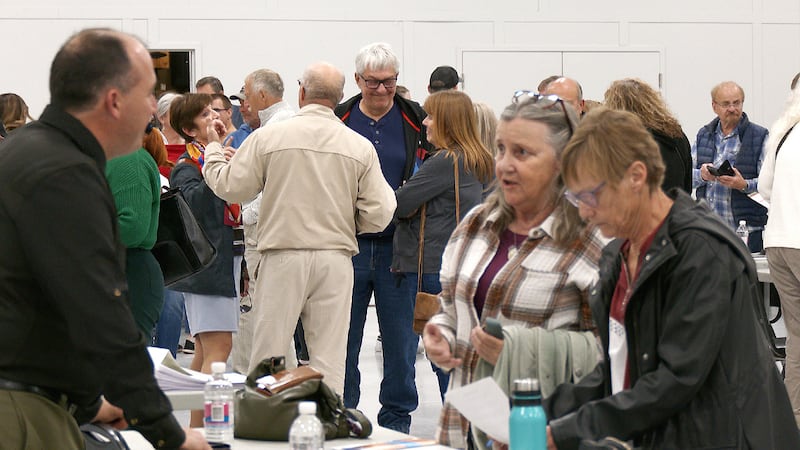
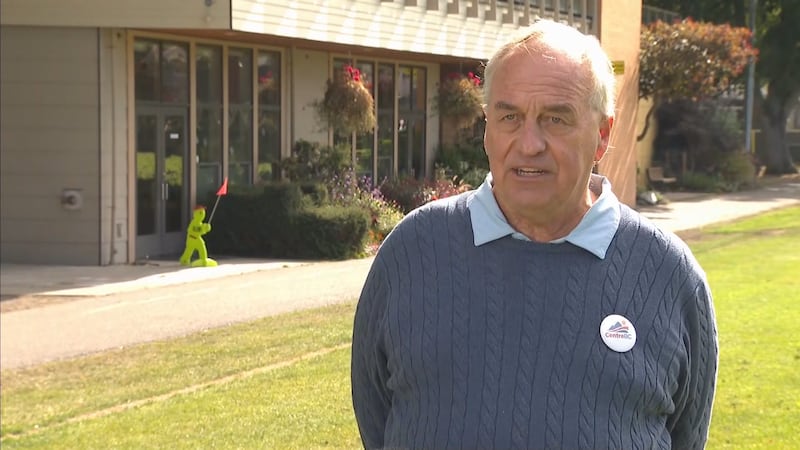
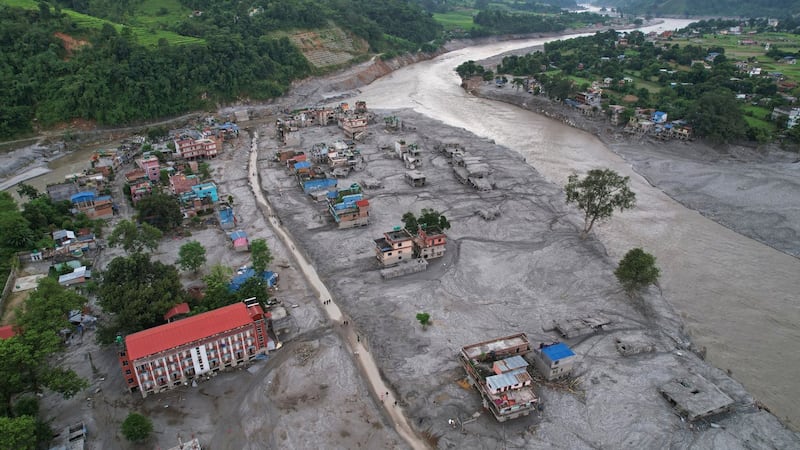
Sunday night Nepalese community members gathered for a candlelight vigil at Halifax’s Citadel Hill, carrying the grief of family members and friends thousands of kilometers away. “Yesterday we did have a solidarity gathering at Citadel Hill and we did have a few people that spoke about their experience. It’s terrible, you know, not knowing where your loved ones are,” says Joshna Shrestha, general secretary of the Nepalese Society of Nova Scotia. So far there have been over 900 confirmed deaths and thousands unaccounted for in Nepal after a glacier collapsed on Wednesday sending rock, mud and ice into the Himalayan Border region, creating catastrophic flash floods. “It was a big flood, a flash flood and it hit so many towns, so many houses, and so many households. There are still so many missing. So far almost 960 dead bodies have been found. This is a very heart breaking and devastating situation in Nepal,” says Sudarshan Sapkota, president of the Nepalese Canadian Community Services. Organizations, community groups and governments have stepped up to help, and relief funds have been set up. “We are coordinating with the other communities in Canada that are doing charitable soccer matches. They are doing a marathon run, they are doing lots of different events and are collecting the funds to send to Nepal,” says Sapkota. “Because we are in the midst of it, it will go to feed the people who do not have their houses, their family members. Their community, their villages, their homes have all been swept away. It’s feeding them and the people on the rescue mission. And also, to buy clothes, we can’t imagine several thousands and thousands of kids who went to school and came home to see that they don’t have houses or family anymore, so all donations are going to go to support them now,” adds Shrestha. The country is in need of immediate relief, but these organizations remind the public that the cleanup and restoration efforts will take time. “The immediate relief is today but the rebuilding is so many houses and households, more than 40,000, 50,000 people are missing their homes. They don’t have anything that is normal. They don’t have no water, no bridges, no Wi-Fi, no power, no internet, people can survive for a few days but for the long term we need to rebuild and if this persists, we need to have a strong support from the international community,” says Sapkota. Organizations like The Nepalese Canadian Community Services (NCCS) say climate change has contributed to the extreme weather event, and they worry for other countries as well. “The growing challenge with climate change is any extreme weather. Nepal is particularly vulnerable at this time, but this is not only a Nepalese problem. Communities around Canada are also experiencing some extreme weather conditions, like wildfires. I think we need to learn from this experience and share our knowledge, technology, strength,” says Sapkota. For now, they’ll use that strength to comfort one another as they wait to hear from their loved ones back home. Those within the Nepalese community seeking to help can reach out to the Nepalese Society of Nova Scotia. The government of Nepal also had a relief fund set up for those looking to donate.