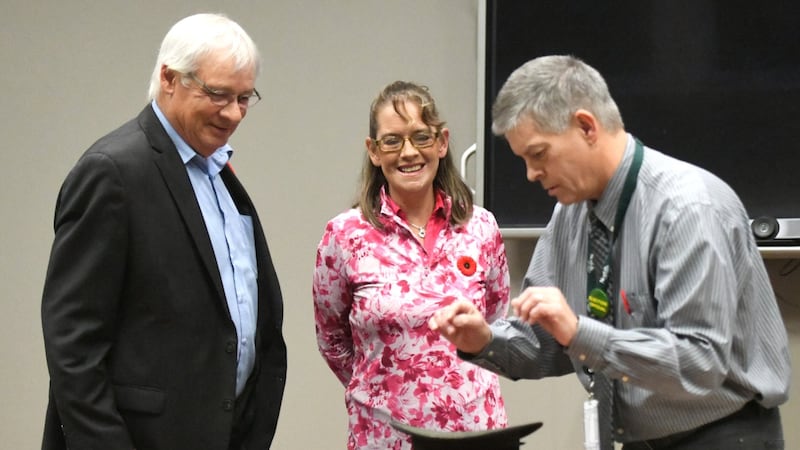
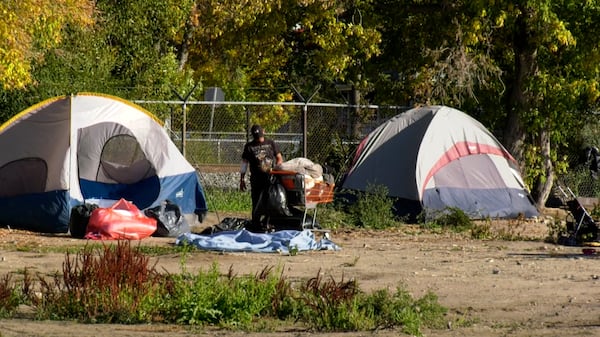
Rising costs are putting pressure on many Canadians, some are struggling to afford essentials like groceries and rent. For Andrew and Roberta Palmer that pressure is showing up in the price of their handmade clay creations. The P.E.I. couple - who have been selling their Christmas collectables at craft markets around Atlantic Canada for years - have reluctantly had to raise their prices to keep up with rising costs. “Our basic clay product cost is up, our gas is up,” said Andrew. “We travel to shows from P.E.I. and so cost of hotels are up more than just a few percent and so all that is affecting our bottom line.” The couple operates Roberta Originals and when it comes to the federal budget, they admit they weren’t looking for much but welcomed the new federal tax credit for Canadian artists. “I didn’t know what to expect with the budget but was pleasantly surprised to see that in there and look forward to more details,” said Andrew. The federal government says the Canadian Creative Credit could provide up to $45,000 of non-refundable personal income tax credit, combined with the basic personal amount to reduce taxes payable. Housing affordability and homelessness were a major focus of the budget, too. The federal government is pledging more than $11 billion over four years towards initiatives to tackle homelessness, with a longer-term investments plan looking to end homelessness in 10 years. That plan will require co-operation from provinces, territories, and municipalities, according to the federal government, which looks to have signed agreements with other levels of government by spring. Michael Kabalen, the executive director of the Affordable Housing Association in Nova Scotia, welcomes the ambitious plan and says the commitment sends a strong message that Ottawa recognizes the scale of the homelessness crisis communities face. “If we build enough supportive housing and even more affordable housing, when something happens to somebody outside of their control that their housing is lost or is at risk, there’s something to catch you that isn’t a shelter or being outdoors,” said Kabalen.